Traveling in the Time of Drought
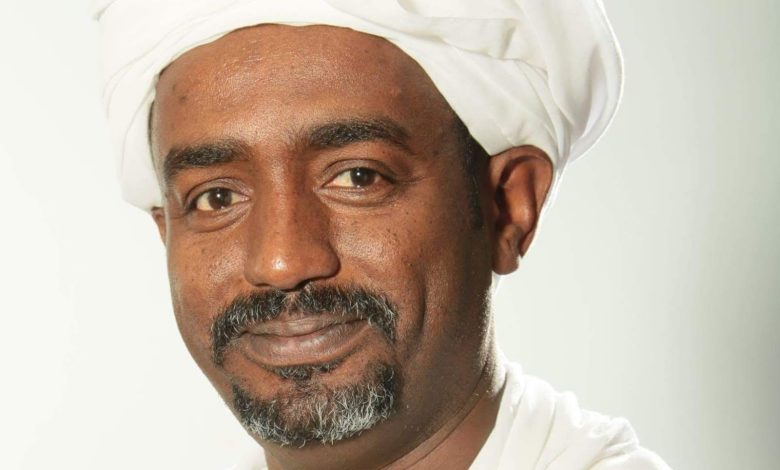
By Dr. Hassan Saeed Al-Mujamar
My narrator, Billa — grandson of “Um Balina” — once told me, during a time when the days were still green, in the early 1980s in our quiet village, how drought had descended upon their region. The sheep perished, and the camels, unable to endure both hunger and thirst, grew emaciated — their bellies sunken, their chests’ bones protruding. They could no longer carry riders, let alone reach the distant well whose waters had also receded.
At that point, the elders decided to depart, traveling down Wadi Al-Malik toward the town of Al-Dabba. From there, they boarded a truck called “Barinsa” northward, without a clear plan. The driver kindly directed them to a place called Tungasi Al-Jazeera, known for the generosity of its people and the abundance of homes large enough to shelter many more than their inhabitants.
Billa’s family settled there — his grandmother Um Balina, his uncles Ali and Jad Al-Sayyid, and his aunt Fatima. Though they warmly welcomed their nephew Billa, a persistent sadness shadowed his face — a sorrow time could not erase, though he stood on the threshold of a long life. His mother had died of hemorrhage in her eighth month of pregnancy, taking with her Billa’s would-be sibling. His father had left their homeland after his wife’s death in search of work in Omdurman, promising to return for his son — a promise never fulfilled, and his fate remained unknown.
For a time, Billa forgot the tragedy of his parents. His face brightened as his uncle Ali’s wedding celebrations began. Singers from their tribe took the stage, leading joyous chants:
“The bridegroom was challenged and rose,
Though fearful of the bridal cane’s blows.
The bamboo stick with its frayed head,
Strikes hard the defiant without dread.”
With a trembling but melodic voice, Billa joined in the song, and we all sang with joy and delight.
But the world granted Billa little reprieve. Soon after, a death knell announced the drowning of his uncle Ali and the bride, their small boat capsizing in the blink of an eye near the Nour Al-Da’im crossing, across from Abu Ajaj village south of Tungasi Al-Jazeera. The townsfolk turned out in full to offer condolences. For days, the mourning tent remained filled with visitors — relatives who now lived in homes emptied by migration to Wad Madani, Sennar, and Port Sudan.
That entire family left the area behind, leaving only memories that still echo in the ears of our generation — memories fragrant with tales of human solidarity, crafted by the village elders in their generous reception of drought-stricken guests.
And just as those people once left their homes seeking refuge, so did many of us drift toward the capital and other urban centers in search of high schools. Rural schools in the Northern Province no longer served as gateways to university education.
Traveling was arduous — a living hell in every season, each harsher than the last. Winter journeys chilled the heart and dried the nose and ears. Summer ones were like walking barefoot on burning coals. And during the rainy season, drivers scrambled to find trails alongside mountains to avoid the mud — often to no avail. Buses groaned through muddy ravines, jagged rocks, and flooding valleys, where the only sounds were the helpers’ shouts or children’s cries.
Despite such hardships, we considered our lives slightly better than those of boys like Billa. They raced barefoot after buses and trucks with thin legs and scorched soles, heedless of the blazing sands of Qoz Ab Dulu’ or the thorns buried beneath Wadi Jabra, north of Omdurman. Their greatest hope was a bite of khamiriya or sanou’iya — date bread, as Northerners fondly call it. Their minds dared not dream beyond that — except perhaps the distant hope of rain. Its early breezes, the humbareeb, would sweep away the dusty winds and clear their chests for running, playing, and herding sheep and stray camels among the greening branches of the salam trees and the sprouting grass of the wilderness.
These boys, born into arid lands where trees shed their leaves after winter and winds like Um Sheer carry them away — along with what little grass remained — lived amid a harsh, shimmering desert. Sometimes the wind caught those broken grass stalks, trapping them in sand ridges that shimmered under the sun like mirage waves.
The fortunate among them were those whose childhood coincided with years of rainfall and abundant pasture. The less fortunate grew up during the dry spells — years when no valley flowed, no udder gave milk, and no fruit ripened. Yet in all cases, their lives were hard, though their fathers never knew despair.
In this vast desert, grandfathers told their grandchildren stories of past rainy seasons — storms so fierce that lightning blinded the eyes and thunder shook the mountains. Torrents would flood the valleys and encampments, forcing families to move their blankets from hilltop to hilltop. And at night, they stayed awake, killing the ground creatures flushed out by the floods, searching — like them — for safety from drowning, unbothered by whom they bit, even if it were innocent children.