End-of-Mission Statement by Mr. Radhouane Nouicer.. Designated Expert on the Human Rights Situation in Sudan for the UN High Commissioner for Human Rights
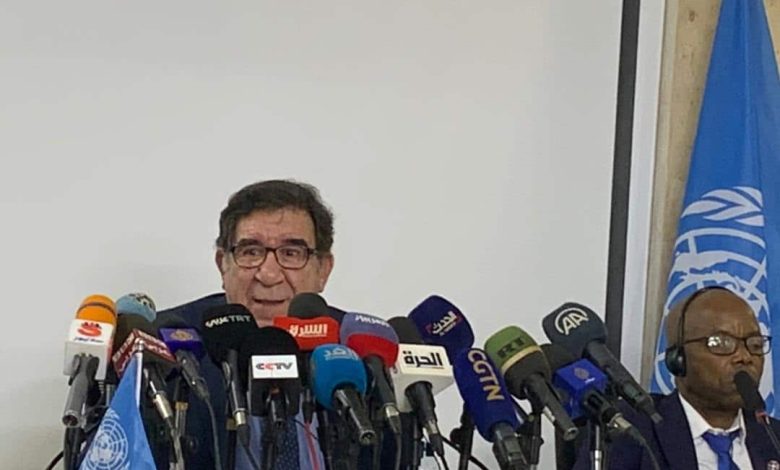
Geneva, 5 August 2025
I have just concluded my visit to Port Sudan from 27 to 31 July 2025—my second to the country since the outbreak of the conflict in April 2023. The purpose of this mission was to continue assessing the human rights and humanitarian situation in Sudan, strengthen engagement with authorities at various levels, express our concerns regarding the worsening human rights conditions, and encourage increased attention to the needs of populations affected by the armed conflict.
Prior to my visit to Port Sudan, I held virtual meetings with representatives of civil society organizations—including women-led groups—human rights defenders, lawyers, and journalists.
I would like to express my gratitude to the authorities for their cooperation and facilitation of my visit. During the mission, I met with the Deputy Minister of Foreign Affairs, the Minister of Justice, the National Follow-up Mechanism, the Attorney General, the Governor of Darfur region, as well as the Chairperson and members of the National Human Rights Commission.
I also engaged with UN officials and humanitarian partners to gather their views on key concerns in Sudan. In this context, I held additional exchanges with civil society actors and commend their unwavering commitment to promoting and protecting human rights in an extremely challenging environment.
I had the opportunity to visit an internally displaced persons (IDP) gathering site hosting female-headed households, including IDPs from Khartoum and Darfur. I met with displaced women to gather firsthand information about how the conflict has affected their lives. I was deeply distressed by their situation—women and children, some with disabilities, living in tents under searing heat, with humanitarian assistance and services such as food, water, sanitation, and healthcare suspended for months due to funding shortages. The upcoming rainy season will exacerbate the crisis for millions of IDPs, pushing an already dire situation toward total catastrophe.
I reiterated key human rights concerns previously raised during my July 2024 visit, which continue to require urgent attention—namely, the protection of civilians, the facilitation of humanitarian aid delivery, support for civil society space, and accountability. While my discussions with the authorities were candid and transparent, I noted that tangible progress on these critical issues remains extremely limited since my previous visit. I stressed repeatedly that the protection of civilians is primarily the responsibility of the Sudanese authorities, and that impunity has been a major driver of the ongoing conflict.
Violence and Violations
With regard to civilian protection, I am gravely concerned by escalating violence in North Darfur and the Kordofan region—particularly attacks by the Rapid Support Forces (RSF) against civilians, as well as indiscriminate attacks resulting in deaths, injuries, and destruction of civilian property and vital infrastructure. Reports of sexual violence and forced displacement further compound the humanitarian toll. The consequences of the ongoing siege on El Fasher remain especially dire for civilians.
Throughout my engagements, I highlighted the alarming reports of sexual violence against women and girls, including during displacement—most of which have been attributed to RSF forces. The Office of the High Commissioner for Human Rights (OHCHR) in Sudan has documented over 390 incidents of sexual violence, including rape and gang rape, since the conflict began. The actual number is likely far higher, given persistent underreporting due to fear of stigma, reprisals, and other factors. In this regard, I welcomed the Sudanese authorities’ positive step of signing the revised Framework of Cooperation with the UN on the prevention and response to conflict-related sexual violence in April 2025. This framework demonstrates a willingness to address and prevent sexual violence, ensure comprehensive services for survivors, and uphold accountability.
I also raised concerns about attacks by the Sudanese Armed Forces on civilian residential areas, including recent airstrikes in Darfur and Kordofan. I reminded all parties to the conflict of their obligation to distinguish at all times between civilian and military targets. Attacks must only be directed at military objectives, with constant care taken to spare civilians and civilian infrastructure.
Hate Speech and the Rule of Law
I expressed concern about the increasing reports of hate speech across several regions in Sudan and emphasized the importance of the country’s ethnic, linguistic, and cultural diversity as a vital part of the social fabric. Preserving this diversity is essential to avoid further fragmentation along geographic, tribal, or ethnic lines.
On rule of law and accountability, I raised concerns about the rising reports of arbitrary arrests and detentions, as well as the growing number of severe sentences—including death penalties—imposed on charges of “collaboration” with RSF. This raises serious human rights concerns, particularly in light of the widespread violations of fair trial guarantees. I called for a review of these sentences—especially capital punishment—and urged a halt to all executions.
In my meeting with the Attorney General, he updated me on the progress of the national investigative committee into crimes and violations of domestic and international law. He stated that over 120,000 cases have been opened and more than 300 cases have been filed against members of the regular forces, including the army, with some immunity lifted. This is a welcome development.
Civil Space and Humanitarian Relief
I voiced serious concerns over the shrinking civic space, including arbitrary restrictions, harassment, and detentions targeting civil society. I emphasized the crucial role of civil society in crisis response. I also expressed regret over the suspension of reforms aimed at reviewing emergency laws prior to the outbreak of conflict. I stressed the need to revisit these laws, which grant sweeping powers without judicial oversight. In this context, I welcomed the Minister of Justice’s positive response regarding the activation of the emergency law review committee.
We discussed challenges in providing aid to returning IDPs and refugees. I underscored the importance of voluntary and safe return, and the need to ensure access to basic rights—such as food, water, healthcare, and education—to support reintegration. I also raised the issue of Sudanese nationals being deported from Egypt and emphasized that authorities must oppose such deportations as part of their protection responsibilities.
Additionally, I addressed the importance of the Adré border crossing between Chad and Sudan as a critical humanitarian lifeline. I urged that its reopening be extended beyond the current deadline of 15 August to enable continued humanitarian convoys.
I highlighted the severe access restrictions to highly affected areas such as El Fasher, North Darfur, and Kordofan, where intense fighting has worsened the humanitarian situation. Famine has already been confirmed in some areas, with warnings of further spread. I also expressed deep concern about the lack of funding for the humanitarian response and called on donors to urgently increase their support and deliver on pledges made in London on 15 April this year. I encouraged the authorities to expedite the issuance of visas and residence permits for UN and humanitarian staff.
El Fasher, Displacement, and Disability
In light of the RSF’s refusal to observe a humanitarian truce in El Fasher, I am especially concerned about the humanitarian and protection crisis in the area, including at Abu Shouk IDP camp, which has faced repeated attacks in recent months, leading to a sharp deterioration in conditions.
I met with the National Human Rights Commission, congratulated the newly appointed members, and urged them to uphold the highest standards of neutrality, independence, and transparency.
Regrettably, scheduled meetings with the appointed Prime Minister and members of the Transitional Sovereign Council did not take place. Likewise, meetings with RSF leadership and the Sudan People’s Liberation Movement–North, led by Abdelaziz al-Hilu, in Nairobi were not held. The RSF nominated a delegation under the “Sudan Foundation Alliance” banner, which I declined, leading to the cancellation of the meeting. The SPLM-N also did not confirm the proposed meeting date.
However, my meeting with the Minister of Justice was constructive. He expressed readiness to continue cooperation with my mandate and with the OHCHR office in Sudan, including capacity-building efforts.
Economy and War
The ongoing war has dramatically worsened Sudan’s already fragile economy. Prices of essential goods—food, fuel, and medicine—have skyrocketed amid deteriorating humanitarian conditions. The exchange rate for the Sudanese pound has plummeted from around 500 SDG/USD before the conflict to over 2,500—a depreciation of 500%.
As in all armed conflicts, civilians—particularly women and children—bear the brunt of displacement, loss, and unimaginable suffering. Persons with disabilities are disproportionately affected, with their needs often overlooked. In my discussions with them, they reported immense challenges in fleeing conflict zones and a lack of appropriate services in displacement areas. I call on authorities and humanitarian actors to prioritize inclusive support for persons with disabilities.
Conclusion
Every day this conflict continues, innocent lives are lost, communities are torn apart, and traumas deepen—traumas that will haunt generations to come. War will not bring a solution. Only peace and dialogue can bring Sudan’s children back to school, return IDPs to their homes, and revive peaceful coexistence in the country.
I take this opportunity to extend my best wishes to the newly appointed civilian Prime Minister and his government. I hope this marks a step toward an inclusive technocratic administration that lays the groundwork for peace and restores the bond between the Sudanese people and their authorities. I reaffirm the need for inclusive consultations with civil actors, meaningful participation of women, a ceasefire, the delivery of basic services, and a sustainable solution grounded in the respect for human rights for all.
The future demands more than a ceasefire and negotiations—it requires a genuine commitment to justice, accountability, and inclusive governance. The international community must not remain a bystander. It must act urgently to impose an arms embargo, support local peacebuilders, and ensure full humanitarian access. Parties to the conflict must prioritize civilian welfare over political gain and envision a future rooted in reconciliation and human rights.
The findings of this visit will be included in the High Commissioner’s annual report on the human rights situation in Sudan, to be presented at the 61st session of the Human Rights Council.
I once again thank all those I met during my visit.