Direct Negotiations with the U.S. Administration: The Viable Solution to Sudan’s Wars
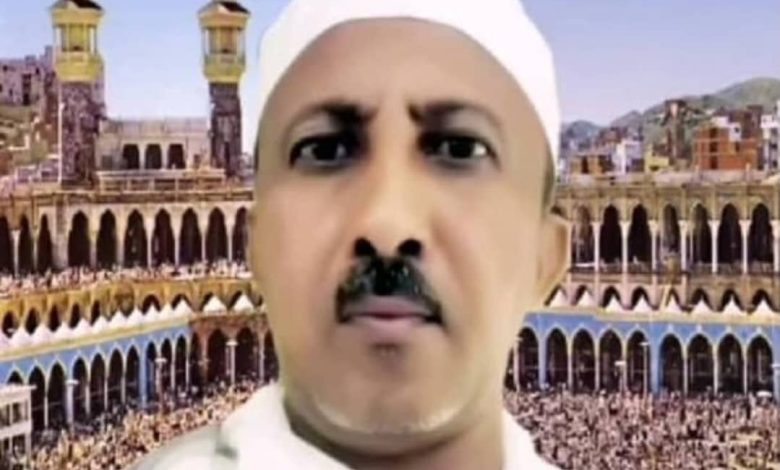
Abubakr Al-Sharif Al-Tijani Al-Sharif
Why have the Sudanese, for seventy years, failed to strike the elephant in its heart and liver? Has striking the elephant’s shadow instead condemned us to an endless cycle of wars, conflicts, and suffering for the good, humble Sudanese citizen—Mohamed Ahmed al-Ghalban—who has borne the cost of these wars at the expense of his security, life, honor, and livelihood, and continues to pay with his very blood? The “elephant” I mean is America itself—flesh, bone, and all. Its “shadow” is its agents and allies in the region.
It is well known that U.S. foreign policy recognizes neither permanent friends nor permanent enemies. Its relationships are built on interests, requirements, and shifting circumstances. Interests can make you a leader—even over the heads of your enemies—while shifting circumstances can see you eliminated, no matter how close an ally you were. America is among the most cunning nations in its thinking—more about strategy than loyalty—like scenes from a madman’s drama.
The U.S. foreign policy of changeability recognizes no principle or loyalty when necessity dictates. Thus emerged the “carrot and stick” approach, applied to whichever peoples, states, or rulers of the Third World fit the policy’s needs. When Washington wants to subdue and discipline a Third World country that it sees as defiant, it engineers internal conflicts, then manipulates events through proxies, agents, and allies. At the end of the conflict, it negotiates only with the strong parties—not the defeated weak. Sometimes it imposes sanctions; sometimes it lifts them when needed; but it rarely offers direct financial support. It often uses allies and proxies as tools, then discards them once their role ends.
Today, Sudan faces enormous challenges in its foreign policy, especially amid the complexity of the global scene and overlapping interests in the Horn of Africa and the Sahel-Sahara region. International politics now resemble a circus act, requiring high skill in balance and caution. Sudan needs a comprehensive national unity that brings together political forces around a clear, shared vision. It also needs professional political and diplomatic experts, along with a capable, specialized research center to manage sensitive files—a national front to support General Abdel Fattah al-Burhan, whom I see as the most suitable leader for this stage, steering Sudan toward a balanced foreign policy based on mutual interests with major powers like Russia and the United States.
Sudan also needs influential regional allies through whom it can reach the U.S. administration to build shared interests—based on mutual benefit, not blind subservience. Furthermore, Sudan requires an enlightened, constructive national media—not a confused, rumor-driven press that runs on a “day-to-day survival” mindset. The ideal national media should speak good or remain silent.
My advice—sincerely, for the sake of Sudan—is that political forces must unite behind their army, develop a unified national vision to safeguard the country’s unity, security, and peace, and place Sudan’s interests above all else. They must recognize that Sudan is not isolated from the world or its regional surroundings, and that Sudan should negotiate with anyone, so long as such talks preserve its unity, security, dignity, interests, stability, and regional balance. Politics, after all, is the art of the possible.
Every Sudanese should ask: Why has Sudan endured seventy years of wars and conflicts?
In conclusion, the mistakes of the past should serve as lessons for the future—closing the door to political chaos by barring agents and activists who enlist foreign interference in Sudan’s internal affairs. May God guide the Sudanese people toward unity, reconciliation, and a shared word for the sake of the country’s peace and security. God is our help, and peace be upon those who follow the right path.