Where Are Sudan’s Peace Pathways Heading?
By Al-Noor Ahmed Al-Noor
Nearly 20 months after the last round of indirect negotiations in Jeddah, Saudi Arabia, between the Sudanese army and the Rapid Support Forces (RSF), the United States has intensified its efforts to push both sides toward halting the ongoing war. Observers note that African mediation remains weak and disoriented, while within the European Union frustration grows over being sidelined.
Soon after clashes erupted in Khartoum in mid-April 2023, the U.S. and Saudi Arabia initiated indirect talks between the army and the RSF. These led to the signing of two documents on protecting civilians and ensuring humanitarian access. Yet the agreements remained unimplemented, and the final round of talks in late 2023 collapsed.
When Washington attempted in August 2024 to shift the negotiations to Geneva, the Sudanese government rejected the move, insisting that the terms of the “Jeddah Declaration” must be honored as a prerequisite for any further talks.
African Silence
In June 2023, the African Union (AU) proposed a roadmap for peace in Sudan. However, the suspension of Sudan’s AU membership and divided positions among African states stalled implementation.
Similarly, the Intergovernmental Authority on Development (IGAD) failed to convene a meeting between army chief and Sovereign Council leader Abdel Fattah al-Burhan and RSF commander Mohamed Hamdan Dagalo “Hemedti” in December 2023. This setback effectively froze the peace efforts of IGAD’s presidential committee.
Renewed U.S. Engagement
In its first direct move under President Donald Trump’s administration regarding Sudan, Washington hosted a June 2024 meeting with Deputy Secretary of State Christopher Landau and the ambassadors of Saudi Arabia, Egypt, and the UAE—the so-called “Quad.”
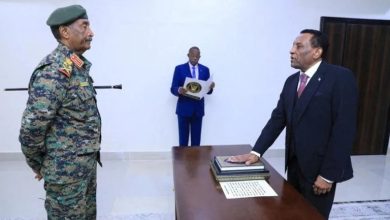
A follow-up ministerial-level meeting scheduled for late July was canceled due to internal disagreements. Unexpectedly, U.S. presidential envoy for the Middle East and Africa, Massad Boulos, held a closed-door meeting with Burhan near Zurich last week, followed by another discreet encounter with Hemedti. The details remain undisclosed.
Calls for Transparency
These secret meetings sparked domestic criticism. Mubarak Ardol, a pro-army figure from the Democratic Bloc of the Forces of Freedom and Change, urged Burhan in a Facebook post to disclose details, stressing that Sudanese citizens could no longer endure opaque political maneuvers.
Conversely, the Civil Democratic Forces Coalition “Smod,” led by former Prime Minister Abdalla Hamdok, welcomed Trump’s initiative and viewed Burhan’s meeting with Boulos as a positive step toward a credible political process.
Meanwhile, EU sources told Al Jazeera that Brussels was dissatisfied with being sidelined by Washington and pushed the AU to reassert its role, while recommending a revival of the “Tripartite Mechanism” of the AU, IGAD, and the UN.
AU Commission Chair Moussa Faki, UN envoy Ramtane Lamamra, and IGAD representatives have all increased activity in recent weeks, each welcoming the appointment of Kamil Idriss as prime minister—a move seen as groundwork for coordinated mediation.
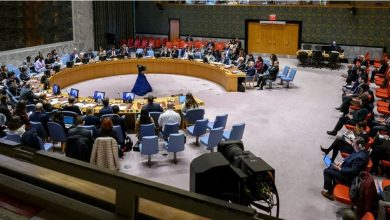
The UN Security Council, in its latest statement, warned against external interference that could deepen Sudan’s crisis, while affirming support for Lamamra’s mediation. Similarly, the AU Peace and Security Council reiterated that a return to democratic constitutional rule must be achieved through a Sudanese-led political process.
Obstacles and Challenges
According to Osman Mirghani, editor-in-chief of Al-Tayar newspaper, Sudan’s peace process faces two main obstacles: the absence of genuine will to end the war—since negotiations are often used for stalling—and fragmented decision-making within the government, divided between the military in the Sovereign Council and influential political factions.
Mirghani argued that swift and sustainable peace is achievable if a strategic vision prioritizing national interests over partisan agendas emerges. However, he emphasized that external actors, including the U.S. and UN, cannot impose peace by force.
Analysts believe Washington is seeking to break the deadlock within the Quad by securing a quick breakthrough in Sudan, adding to its diplomatic record. Political analyst Khalid Saad suggested that U.S. envoy meetings with Sudanese rivals could produce a settlement, though one at constant risk of collapse.
Such a settlement, he predicted, would follow Washington’s traditional approach:
1. Opening humanitarian corridors.
2. Securing a ceasefire.
3. Initiating broader political and security arrangements.
Saad warned that the biggest challenge would be forging regional consensus on Sudan’s future. Despite diverging positions, regional powers broadly agree on the army’s pivotal political role.
Reshaping the Landscape
Saad also noted other pressing challenges, including restructuring the internal political scene to involve anti-war civilian groups, determining the RSF’s military and political future, and managing rival alliances between the army and its opponents amid Sudan’s worsening security environment.
He added that Washington may resort to sanctions, political isolation, and even terrorist designations against those rejecting peace—measures that could push some domestic actors toward compromise, while simultaneously deepening divisions.
Ultimately, Saad concluded, any peace deal lacking broad national consensus risks being partial and fragile, vulnerable to rejection by key Sudanese forces. Such an agreement might start weak, shaped by external pressure, but could eventually evolve to significantly influence Sudan’s political trajectory.
Source: Al Jazeera