The New Capital: A Dream Rising from the Womb of Crisis
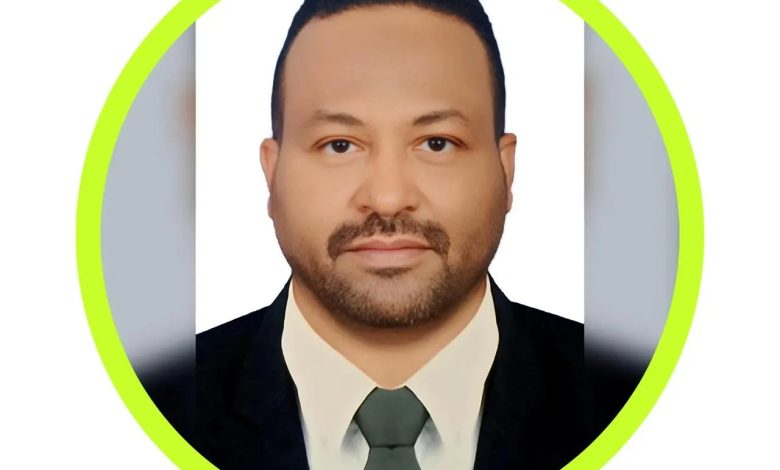
By Dr. Amjad Omar Mohammed
Ever since social media buzzed with news of the state’s intention to relocate Sudan’s administrative capital from Khartoum—with Nile Street and all its historic and cultural symbolism—the debate has felt like a defining moment between past and future. Some dismissed the idea as a mere administrative move to ease urban congestion, while others saw it as a risky gamble. Yet at its core, it is far more profound: an economic, developmental, and symbolic project—if managed wisely.
A capital is more than geography; it is a message. For decades, Nile Street embodied the symbolic seat of Sudan’s political and administrative life. Moving to a new space—such as the flat plains stretching between Al-Jili and Shendi, or elsewhere—could mark the birth of a new era. On those untouched lands, waiting for hands to reclaim and build them, a dream could rise: a modern, carefully planned city that reflects the ambitions of future generations, embraces technology, institutions, and the needs of tomorrow.
The opportunity lies not only in constructing government buildings but in the broader economic project that can accompany them. Reclaiming those lands, supplying them with infrastructure—roads, bridges, water, and electricity—will multiply their value many times over. Once offered for sale or investment, whether in Sudanese pounds or foreign currency, the state could open a new gateway to absorb liquidity and channel it into a strategic national project. Such revenues could directly reduce money supply, curb inflation—the country’s greatest economic pain—and even help restore some strength to the Sudanese pound.
But the new capital is not just about figures and monetary equations. It is also a chance to spread development across regions long left behind. Major projects bring people, services, and investments; they stimulate national industries. A new city means jobs, schools, hospitals, factories, markets—and above all, a reshaping of Sudan’s demographic and economic map, toward wider distribution and balance.
Many nations around us have built new capitals—not only to ease pressure on their historic centers but to announce the birth of a new national vision: from Egypt’s New Administrative Capital to Abuja and Dar es Salaam. Sudan is no exception; in fact, it is more in need of such a step than most, after years of war that have battered its cities, drained its economy, and emptied its treasury.
This is a rare moment, where the idea of relocating the capital can become a smart economic tool: reclaiming land, attracting capital, easing inflation, and building trust. A chance to turn crisis into opportunity, to make ruin the beginning of renewal.
What is needed is not merely to move the capital, but to dream—of a city built from scratch, unburdened by chaos, unshackled from past mistakes. A city that breathes with the vastness of the plains and opens its arms to the future. For a capital is not just stone and cement—it is the reflection of a nation’s spirit when it decides to begin anew.