The International Organization for Migration (IOM) reported, in its fifth update of the Displacement Tracking Matrix (DTM) – Return Overview, that 1,337,117 individuals, equivalent to more than 267,000 households, have returned to their places of origin in Sudan between November 2024 and June 2025.
According to the report, returns were recorded across six states and 34 localities, covering 1,140 sites, reflecting a 12% increase compared to the previous report, alongside a 13% decrease in internally displaced persons (IDPs) from the peak previously registered.
Gezira topped the list, receiving around 71% of returnees (952,275 individuals).
It was followed by Sennar (13%), Khartoum (8%), White Nile (3%), River Nile (2%), and West Darfur (less than 1%).
The report noted that 99% of households cited improved security as their main reason for returning. Other factors, such as lack of resources in displacement sites or family reunification, accounted for less than 1%.
Conditions of Settlement
IOM confirmed that 99% of returning households resettled in their original homes, despite war-related damage, while a very small percentage relied on host families, collective centers, or temporary shelters.
The report found that 52% of returnees were female and 48% male, with children under 18 accounting for 43% of the total, while elderly people above 60 made up about 5%.
Return Routes
66% of returnees came from displacement sites inside Sudan, particularly from Gedaref, Kassala, White Nile, Khartoum, and Red Sea states.
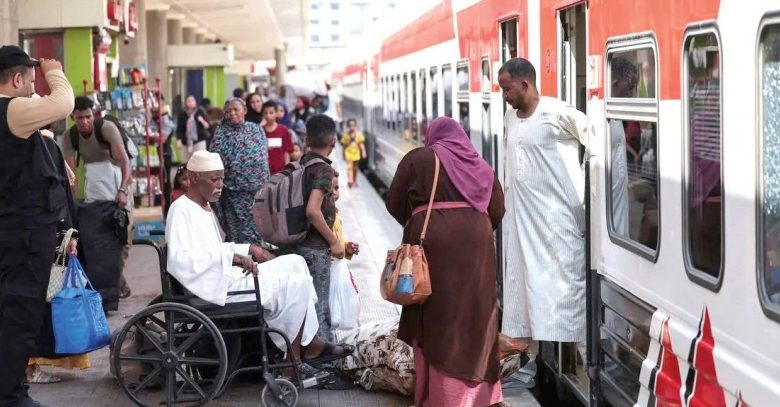
Around 24% (323,604 individuals) returned from abroad, mainly from Egypt (53%), Libya (21%), South Sudan (10%), with smaller numbers from Chad, Uganda, and other countries.
The report, issued on 14 July 2025, highlights early signs of a gradual return to stability in some parts of Sudan after more than two years of conflict. However, it stresses that humanitarian conditions remain fragile and continued support is essential to sustain returns and facilitate reconstruction.