The 80th Session of the UN General Assembly: A Historical Review in Times of Crisis
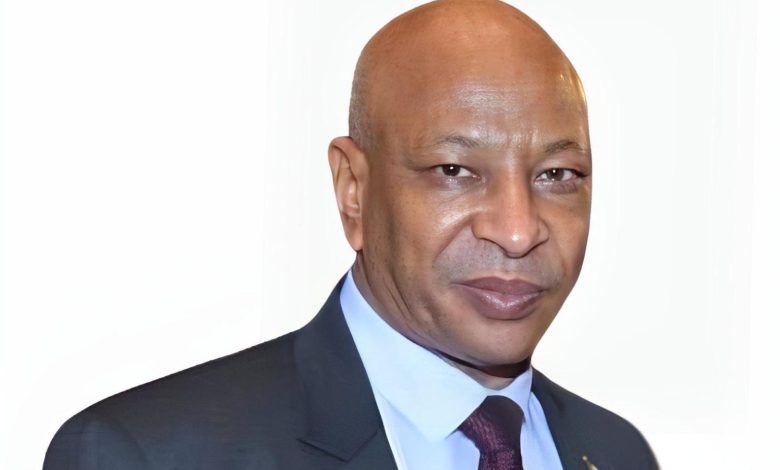
By Moawia Al-Toum
Introduction
The 80th session of the United Nations General Assembly stands apart from its predecessors in both tone and substance. While the 79th session (2024–2025) focused largely on immediate responses to the war in Ukraine, climate challenges, and the global economy, the new session carries an additional layer of symbolism: it marks the 80th anniversary of the UN’s founding. This milestone transforms it from a routine annual gathering into a historic moment of reflection—an opportunity to review the organization’s trajectory since World War II and to rethink its future amid a world engulfed by crises stretching from the Middle East and Africa to Asia and Europe.
Key Features
Historic Symbolism: The 80th anniversary provides a chance to reassess the UN’s path and its ability to continue serving as a framework for global multilateralism.
European Reformist Leadership: The election of former German Foreign Minister Annalena Baerbock as President of the General Assembly signals a desire to push a reform agenda in the face of repeated criticism of the UN’s structures and working methods.
Theme of the General Debate: “Working Together for Better: Eighty Years and Beyond for Peace, Development, and Human Rights.” Discussions will attempt to reconnect the three pillars that define the UN’s identity—security, development, and human rights—while reinforcing its role in promoting international peace.
Main Agenda Items
Peace and Security: Ongoing conflicts in Sudan, Palestine, Libya, and Yemen, alongside the war in Ukraine, form the pressing backdrop to this session.
Sustainable Development: The SDG Moment seeks to revive momentum toward the 2030 Agenda amid mounting debt burdens and food crises, particularly in Africa.
Climate Change: Calls from the Global South for climate justice and adequate adaptation funding remain central.
Human Rights and Equality: The commemoration of the 30th anniversary of the Beijing Women’s Conference highlights gender justice as a core issue.
High-Level Dialogues and the Role of the Private Sector
Beyond world leaders’ speeches, the 80th session features a series of high-level dialogues and summits that add a practical dimension:
Global Compact Leaders Summit: A key platform for engaging the private sector in sustainable development, with business leaders showcasing initiatives to support UN goals, especially in economically and humanitarianly distressed countries.
Private Sector Integration: A renewed focus on public–private partnerships to develop innovative solutions for hunger, poverty, and climate change, with special emphasis on Africa and the Middle East as regions most in need of sustainable investment.
Climate and Finance Dialogues: Business leaders are involved in shaping climate finance mechanisms and investing in renewable energy and infrastructure—an effort to align social responsibility with economic interests.
Key accompanying events include the SDG Moment, Beijing+30 meeting on gender equality, a climate and environmental finance dialogue, and a special session marking the 80th anniversary of the end of World War II as a reminder of past lessons.
What Sets the 80th Apart from the 79th
While the 79th session carried a defensive tone, focusing on immediate crisis response, the 80th positions itself as a strategic turning point: a historical review coupled with reform initiatives. Secretary-General António Guterres’ UN80 initiative underscores this ambition, aiming to address chronic problems of financing and bureaucracy.
Africa and the Middle East at the Forefront
Regional issues remain central, with Africa and the Middle East providing vivid examples of the international system’s dilemmas:
Sudan: A stark case of internal wars spilling over into regional security.
Palestine: Not merely a political issue but a test of international law’s credibility amid daily escalations.
Libya and Yemen: Illustrating the complexities of post-transition instability.
Syria and Lebanon: Ongoing developments demanding attention.
Highlighting these issues not only reflects their regional importance but also underscores the UN’s challenge of proving its relevance to crises echoing the very principles on which it was founded 80 years ago.
Conclusion
The 80th General Assembly session is not simply a ceremonial commemoration of eight decades of multilateralism—it is both a checkpoint and a moment of renewal. At stake is a critical question: Can the UN still serve as a beacon of international cooperation, or will its decisions remain hostage to the balance of great power rivalries?
As peoples in Africa and the Middle East look to the UN for action rather than rhetoric, the world waits to see whether this session will mark the beginning of a more effective phase—or whether it will merely echo past slogans in an era that cannot afford repetition, where military and material power increasingly shape the pathways of peace and stability.