Civilians Killed and Injured in RSF Shelling of Abu Shouk Camp in El Fasher
Sudan Events – Agencies
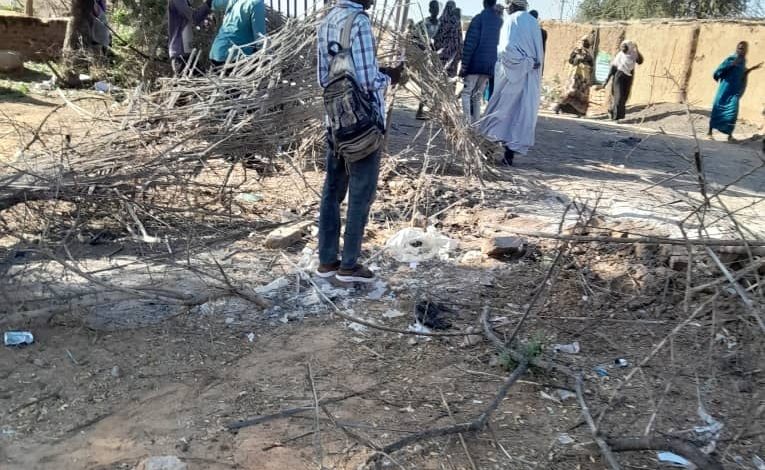
Eight civilians, including two children, were killed on Sunday morning when the Rapid Support Forces (RSF) launched an artillery bombardment on Abu Shouk camp, located north of El Fasher, the capital of North Darfur State. The attack comes amid escalating battles around the city, which has been under siege since June 10, 2024.
Mohamed Adam, media officer in the Abu Shouk Emergency Room, told Al Jazeera Net that the shelling killed eight people and injured seven others, some in critical condition.
He added that rescue teams were struggling to reach the wounded due to ongoing bombardment and the lack of transportation, warning that the death toll could rise in the coming hours.
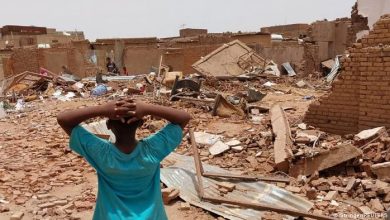
According to local sources cited by Al Jazeera Net, the attack targeted the camp’s central marketplace, known as Neivasha Market, in addition to several homes built with mud and thatch, which were completely destroyed.
Shells also struck key roads, sparking panic among residents—particularly women and children—who fled to more secluded areas inside the camp.
The assault comes at a time of growing local and international warnings of total humanitarian collapse in the region, amid no signs of a political breakthrough and a noticeable decline in the international response to the worsening crisis.
Abu Shouk is one of the largest displacement camps in North Darfur, located about four kilometers north of El Fasher. It was established on April 20, 2004, as a temporary shelter for those fleeing the war that erupted in Darfur in 2003. Over time, it evolved into a densely populated residential area housing more than 47,000 displaced people from Jebel Marra, Tawila, and Shangil Tobaya, becoming an integral part of the city’s urban fabric.
Political Escalation
The attack came just hours after the swearing-in of the president and members of the “parallel” Founding Government’s Presidential Council, a move that has drawn broad local and regional rejection. Observers suggest that the military escalation in El Fasher may be an attempt to impose political realities by force, in the absence of consensus on resolving the crisis and with peace talks stalled.
Yale University reported that satellite images showed the RSF had completed more than 31 kilometers of earthworks around El Fasher, effectively controlling the movement of people into and out of the city.
In a post on X, Yale warned that the walls had created a dangerous zone that threatens public health, as damage to the city’s water supply system worsens, compounding already dire sanitary conditions.
International organizations report that El Fasher has been under a suffocating blockade for more than 500 days, with residents running out of food and resorting to animal fodder—locally known as ambaz—as an alternative source of nutrition. These organizations have called for urgent humanitarian corridors and protection for civilians, particularly in light of rising violations against them.
A Dangerous Shift
Analysts say developments in El Fasher reflect a dangerous shift in the nature of Sudan’s war, with the city increasingly forgotten by the world. They warn that the continued siege and indiscriminate shelling of civilian areas could trigger a new wave of displacement and bring about the collapse of what remains of the city’s social fabric.
Speaking to Al Jazeera Net, Dr. Abdel Nasser Salim, a human rights expert and senior researcher who heads the East Africa program at Sweden’s Focus Research Center, said the situation in El Fasher represents “an unprecedented moral and humanitarian collapse.” He stressed that targeting civilians in besieged camps constitutes a flagrant violation of international humanitarian law.
He added that the RSF’s construction of earthen barriers around the city amounts to an attempt to isolate residents from the outside world and turn El Fasher into “an open-air prison,” in the absence of effective international oversight.
Salim called on the international community to act urgently to halt the violations, deliver humanitarian aid to besieged residents, and ensure accountability for those responsible before international courts.