Experts Reveal True Causes of Pound’s Collapse and Propose Solutions
Sudan Events – Rahab Abdullah
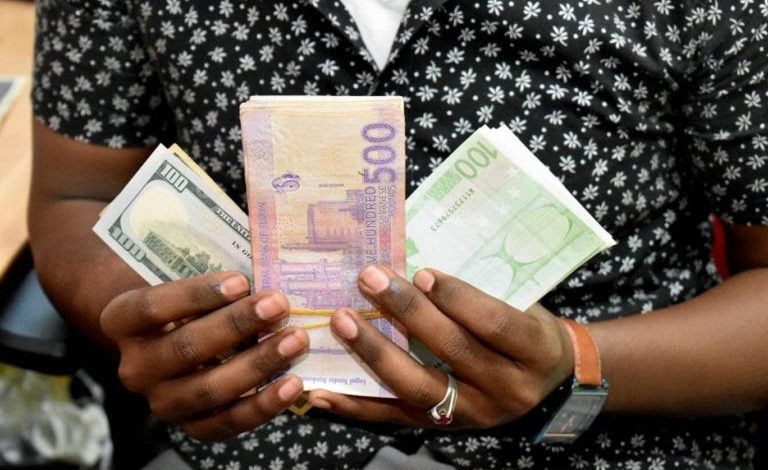
The sharp depreciation of the Sudanese pound to unprecedented levels has alarmed banking experts.
Former Deputy Governor of the Central Bank, Dr. Badr Al-Din Qirshi Mustafa, questioned whether the collapse was due to government purchases of foreign currency in the parallel market, the reopening of car imports, or the suspension of exports to the UAE.
Responding, economic adviser Dr. Abu Bakr Al-Tijani said several key factors were driving the pound’s decline: increased government demand to finance war-related expenses, including diplomacy and munitions; citizens seeking to emigrate or travel abroad for medical treatment; and expatriates converting their salaries into foreign currency to cover living costs overseas. This has restricted inflows of foreign currency into Sudan.
He also cited a steep drop in exports—both livestock and agricultural products—most of which are not being channeled through the Central Bank. Tensions with the UAE and the breakdown of security amid the war have further fueled massive smuggling, including of gold.
Former Director of the Animal Resources Bank, Ahmed Babiker Hamour, urged policies to keep the dollar under 1,000 pounds. He proposed rationalizing imports while encouraging trade and allowing imports via deferred payments.
Banking expert Ayman Ahmed Mohamed attributed the crisis to weak GDP, declining exports, reliance on imports, absence of reserves, and hyperinflation. He added that unstable monetary and fiscal policies, the dominance of the parallel market, poor oversight of money supply, and the concentration of deposits in a single bank have deepened instability. With the Central Bank losing key intervention tools, citizens increasingly see the dollar and gold as safe havens.
Meanwhile, economist Walid Dalil pointed to chronic balance-of-payments deficits, where import bills have long outweighed export earnings and remittances. The government’s reliance on deficit financing, domestic borrowing, and money printing to fund fuel, electricity, and subsidies has fueled inflation and continuous dollar appreciation.
He highlighted deeper structural flaws in Sudan’s economy: weak production, reliance on imports even for goods with local raw materials, limited exports, and foreign companies repatriating profits in dollars. The “dollarization” phenomenon, with citizens hoarding dollars to protect value, has worsened the pressure, alongside demand from travelers for education, health, and tourism.
Dalil noted that during the oil boom years, the pound held steady. He stressed that macroeconomic policy—not individual traders—ultimately determines the exchange rate. With recent budgets consistently posting large deficits, the Ministry of Finance has warned of looming hyperinflation.