From Fujairah to Benghazi to Darfur: UAE Ports at the Heart of Arms-Smuggling Routes to Sudan
Sudan Events – Agencies
The seizure of the cargo ship Lila Mumbai by Spanish authorities in the Strait of Gibraltar in late August 2025, followed by the interception of another vessel in the Suez Canal carrying a similar consignment bound for Benghazi, has cast renewed light on the pivotal role of Emirati ports in funneling weapons and military equipment into conflict zones across North Africa.
The near-simultaneous incidents were no coincidence. Rather, they point to a systematic supply network originating in the UAE—primarily the ports of Fujairah and Jebel Ali—feeding into Benghazi, and from there to Sudan’s warfronts.
The “Lila Mumbai” Affair: A Thread Unravels a Network
Between August 27 and 30, Spanish Civil Guard forces halted the Lila Mumbai, a Liberian-flagged vessel, off the coast of Ceuta before escorting it to Algeciras Bay for thorough inspection. The ship had departed Fujairah on July 18, on what investigators described as part of a recurring supply line linking the UAE to eastern Libya.
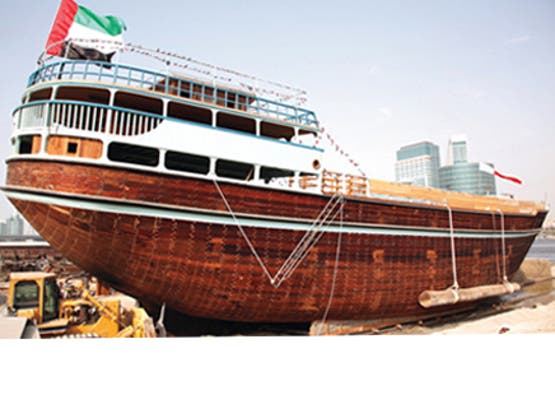
Preliminary findings and cross-referenced reports suggested the vessel was carrying 32-meter patrol boats built at Grandweld Shipyards in Dubai—part of a controversial series of deliveries previously linked to breaches of the arms embargo on Libya.
The Second Vessel in Suez: Mystery Around the Interception
Meanwhile, diplomatic sources disclosed the interception of another cargo ship in the Suez Canal, laden with Emirati weapons bound for Benghazi. It remains unclear whether Egyptian authorities acted independently or in coordination with, or under pressure from, the United States.
What is clear is that—like the Lila Mumbai—the shipment originated in the UAE and was destined for eastern Libya, providing further evidence of recurring supply channels tied to Abu Dhabi.
Libya as a Transit Hub to Sudan
Since the fall of Muammar Gaddafi in 2011, Libya has become a free-for-all marketplace for arms smuggling. With the outbreak of war in Sudan in April 2023, Benghazi in particular gained a new role as a re-export hub for weapons headed toward Sudan.
UN and diplomatic reports indicate that shipments arriving in eastern Libya are later transported across desert routes into Chad and Darfur, and from there to the Rapid Support Forces (RSF) fighting the Sudanese army. This corridor—UAE to Libya to Sudan—has become a fixture of Sudan’s war economy, with arms exchanged for gold.
The UAE’s Motives: Beyond Arms Supply
1. Sudanese Gold
Dubai is the top destination for Sudan’s unofficial gold exports, much of it linked to RSF networks. The continuation of war ensures a steady flow of gold at preferential prices.
2. Influence on the Red Sea
By strengthening its allies in Darfur and Kordofan, Abu Dhabi seeks to expand its strategic footprint toward Sudan’s Red Sea coast.
3. Regional Rivalries
The UAE aims to undercut the influence of Qatar and Turkey in Sudan by backing alternative local forces more loyal to it, notably the RSF.
Europe Steps In: Spain as a Case Study
The Lila Mumbai incident was not isolated. It coincided with Spain’s Ministry of Defense announcing a €1.5 million maritime intelligence platform to track suspicious vessels and analyze shipping patterns.
This move reflects Europe’s growing recognition of the risks posed by commercial shipping routes being used as cover for arms smuggling, particularly in strategic chokepoints such as the Strait of Gibraltar.
Washington: Between Pressure and Pragmatism
Even as Spanish and Egyptian authorities acted against Emirati-linked shipments, Washington was pressing Sudanese army chief Abdel Fattah al-Burhan to sideline Islamists and integrate armed factions into the national army.
The irony is that the United States often turns a blind eye to the UAE’s role—seeing Abu Dhabi as a strategic ally—while focusing its pressure on Sudanese actors. Yet Europe’s growing pushback against arms shipments may eventually force Washington to recalibrate this balance.
Reading the Landscape: The UAE as a Strategic Linchpin
Emirati ports serve as the primary launchpad for weapons shipments.
Benghazi functions as a transit hub under the protection of Khalifa Haftar, Abu Dhabi’s close ally.
Sudan is the final destination, where arms become RSF military assets exchanged for gold.This system reveals a fully integrated war economy run by regional networks, placing the UAE at the core of Sudan’s conflict dynamics.
Conclusion
From Fujairah to Gibraltar, from Suez to Benghazi, a pattern emerges: the UAE is using its ports as platforms to arm militias via Libya, in blatant violation of the international arms embargo.
These networks do not only fuel the Libyan conflict but extend directly into Sudan, prolonging a bloody war that has already claimed hundreds of thousands of lives.
While Europe moves—through Spain and Egypt—to curb these supply lines, the larger question remains: will Washington dare confront its ally Abu Dhabi over its role in stoking Africa’s deadliest war today?