New Details Emerge on Egypt-Sudan Power Grid Interconnection
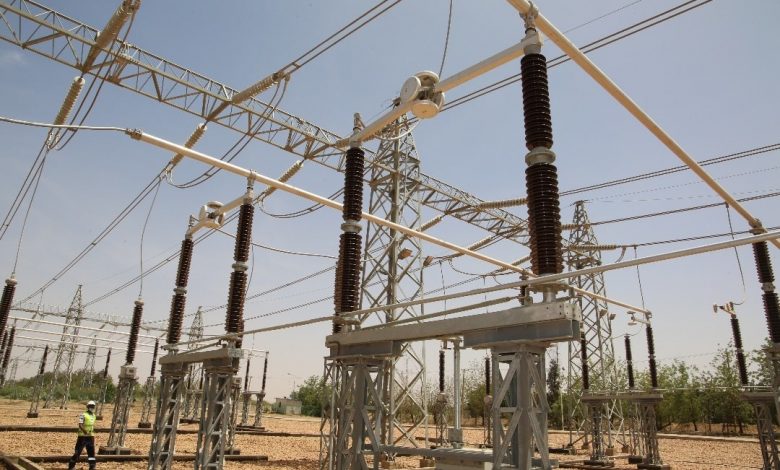
The Egyptian government has announced that the second phase of the Egypt-Sudan electricity interconnection project will be fully completed by December 2025, as part of a broader plan to enhance regional energy cooperation and electricity exchange between the two countries.
An Egyptian official told Al Arabiya Business that 66% of civil works within Sudanese territory have been completed, compared to only 35% when the project was suspended in April 2023 due to political and security unrest in Khartoum.
The official explained that the second phase aims to increase the interconnection capacity from 80 megawatts to 300 megawatts—a rise of more than 275%—to strengthen the stability of Sudan’s power grid, particularly during peak demand periods.
He noted that Egypt has completed all required work and supply commitments on its side, in cooperation with Siemens, the German energy giant. The works include installing two reactive power compensation units with a total capacity of 150 megavars at the Dongola and Merowe stations, under a contract valued at around $30 million.
The official added that Sudan is responsible for the civil and electromechanical works within its northern and Nile River states. However, the economic downturn and sharp depreciation of the Sudanese pound may prompt a reassessment of project costs.
Beyond the interconnection project, Egypt is also cooperating with Sudan on solar energy projects in several stable regions, at Khartoum’s request, to help compensate for damage to the electricity infrastructure caused by recent conflicts.
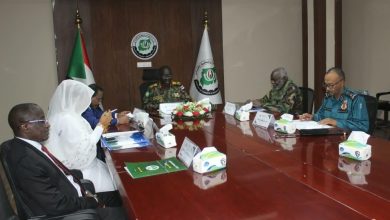
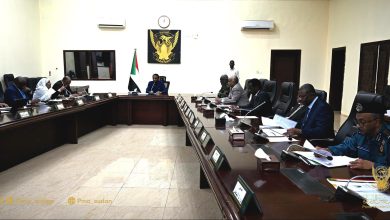
Egypt’s Minister of Electricity and Renewable Energy, Mahmoud Esmat, met his Sudanese counterpart Moatasem Ibrahim on September 18 to discuss accelerating joint energy and power initiatives.
The first phase of the project came online in April 2020, with an operational capacity of 80 megawatts through a 220-kilovolt transmission line stretching 100 kilometers inside Egypt and 70 kilometers within Sudan. The project has significantly contributed to stabilizing Sudan’s power network in recent years.