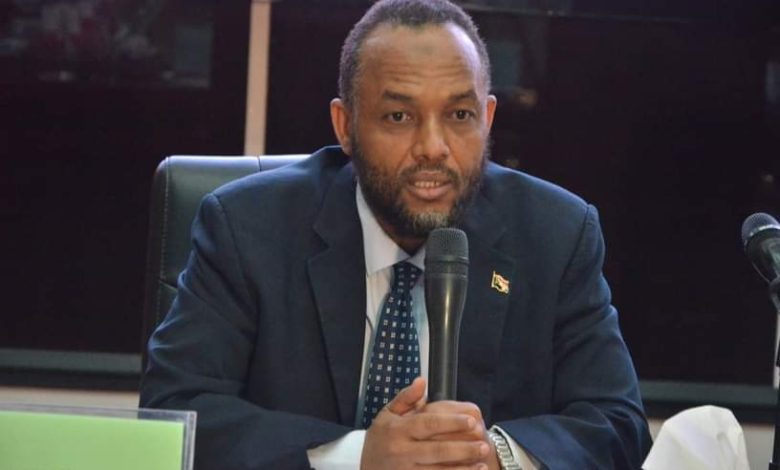
Sudan’s Minister of Health, Haitham Mohammed Ibrahim, said on Wednesday that weak funding and disrupted supplies are hindering the country’s ability to control epidemics.
Speaking before the World Health Organization, Ibrahim emphasized that “limited funding and supply disruptions are constraining the Ministry of Health’s capacity to contain epidemics and provide essential health services.”
He noted that Sudan is facing a severe health and humanitarian crisis caused by the ongoing war, which has triggered the largest displacement wave in the country’s history. Despite the disruption of services and shortage of medical personnel, the ministry is working to build a resilient and equitable health system this year and next.
The minister added that the ministry plans to seek non-traditional sources of funding, strengthen support from civil society, and enhance partnerships with Sudanese communities abroad as part of the recovery phase.
Ibrahim also stated that the ministry is leading campaigns to combat dengue fever, malaria, and cholera, urging investment in water, sanitation, and hygiene projects, as well as the provision of flexible, long-term financing.
He further highlighted that the World Health Organization remains a key partner in developing the national strategy to revitalize Sudan’s health system for the 2026–2028 period.