The Sudanese Crisis: Diplomacy in Search of a Way Out
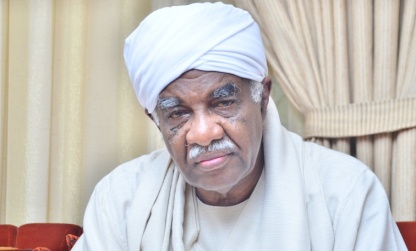
By Dr. Ibrahim Al-Amin
War is never the best option for addressing Sudan’s many complex challenges. Indeed, ending the war is both necessary and desirable — but it must be accompanied by a sincere and inclusive national project, built on dialogue and consensus, and fully committed to implementation.
Key Pillars of the National Project:
1. Safeguarding the unity of Sudan — its land and people.
2. Ensuring stability and creating an environment conducive to development, within a system that guarantees freedoms, respects rights, and embraces diversity.
Features of the New Government:
Members of the new government must be carefully selected through a rigorous vetting process to ensure they meet the required standards: competence, patriotism, dedication to public service, commitment to national causes, contribution to public life, popular acceptance, and adherence to the constitution and the principles of justice.
Sudan belongs to all Sudanese — without discrimination. However, affirmative action should be granted to those historically marginalized. Every citizen must have the right to hold the highest offices in the land and to choose their intellectual and political path freely.
Those appointed to the new government must focus on the future — on human development and comprehensive growth. Sudan has enormous potential, particularly in agriculture and agro-industrial production. Investing in these sectors can move the nation beyond the stagnation of the past and toward a new phase of progress, where Sudan assumes a leading regional role.
Building the New Sudan Requires Commitment to the Following:
1. National unity — promoting a shared Sudanese identity above all regional or tribal affiliations.
2. Responsible and wise handling of the social aftermath of war.
3. Equitable distribution of development projects across all regions.
4. Conducting a comprehensive population census to clearly define citizenship.
5. Addressing the issue of weapons and their holders through a fair, scientific, and national approach to ensure unity, justice, and stability under a renaissance project that serves the people, not those in power.
6. Redrawing Sudan’s map to restore territories unjustly removed.
7. Collecting all weapons and restricting their possession to authorized entities in accordance with the law. Unauthorized military recruitment must be criminalized, and the issue of armed militias handled responsibly. Current militias, in particular, should be dealt with in a manner that preserves national stability and ensures citizens’ safety, paving the way for lasting peace and a return to normal life.