Six Demands by UN Agencies to Address Sudan Crisis
Sudan Events – Agencies
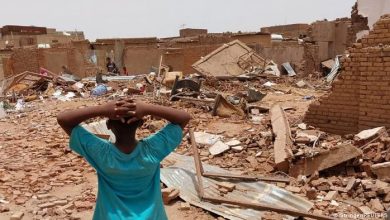
Four United Nations agencies have called on the international community to urgently address the crisis in Sudan, where citizens are facing immense suffering, widespread human rights violations, famine, and the collapse of essential services.
In a joint statement issued Thursday, the International Organization for Migration (IOM), the UN Refugee Agency (UNHCR), UNICEF, and the World Food Programme (WFP) urged the warring parties and the international community to immediately halt hostilities, protect civilians, ensure unhindered humanitarian access, simplify procedures for delivering aid and facilitating the movement of humanitarian workers, provide urgent funding to expand life-saving interventions, and support sustainable solutions for displaced persons and refugees within Sudan.
The appeal coincides with meetings in Washington this week where representatives from the United States, Saudi Arabia, the UAE, and Egypt are set to engage with Sudanese conflict parties to establish a three-month humanitarian ceasefire, according to media reports.
The IOM highlighted the population’s suffering due to the collapse of services and the spread of epidemics. Ojutchi Daniels, IOM Deputy Director-General, following her visit to Khartoum, said: “The outbreak of cholera, dengue fever, and malaria underscores the urgent need to invest in clean water, healthcare, and basic services so that people can begin to rebuild their lives.”
UNHCR addressed an unprecedented protection crisis for displaced persons and refugees. Kelly Clements, UNHCR Deputy High Commissioner, warned of rising anti-foreigner sentiment and stressed the need to continue protecting refugees.
UNICEF emphasized that children in Sudan are without education or adequate food. Ted Chaiban, UNICEF Deputy Executive Director, stated that 14 out of 17 million Sudanese children are out of school, and that famine and disease threaten thousands of lives.
The WFP pointed to the risk of famine and declining funding. The statement noted that the agencies have so far received only 25% of the $4.2 billion required under the 2025 Sudan Humanitarian Response Plan, jeopardizing the continuity of relief operations.
The statement also highlighted that access to populations in need remains severely constrained due to insecurity and bureaucratic obstacles faced by humanitarian workers. It stressed that humanitarian staff encounter “insecurity, bureaucratic hurdles, and logistical challenges that make delivering life-saving assistance extremely difficult,” underscoring the need to simplify procedures.
Source: Muwatenoon