Massacres Carried Out by the RSF in Sudan’s Darfur — Videos Reveal Atrocities
Sudan Events – Agencies
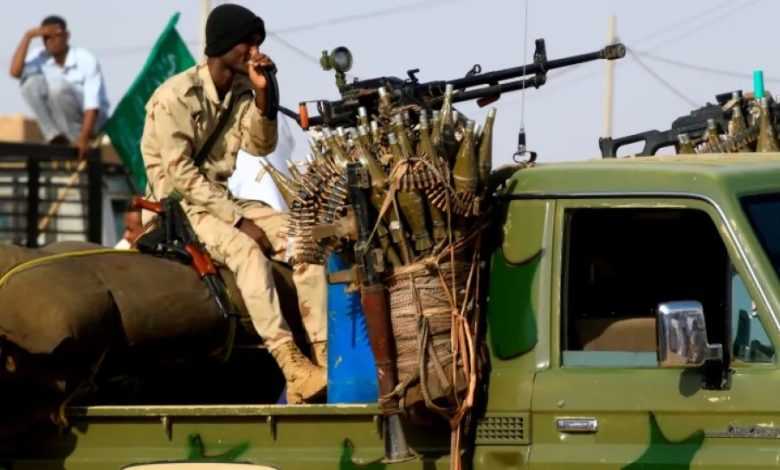
Fighters from the Rapid Support Forces (RSF) have launched a large-scale killing campaign after seizing control of the city of El Fasher, according to videos, satellite imagery, and eyewitness accounts — confirming grim warnings issued for months by trapped activists and human rights groups.
El Fasher was the last major city in Darfur outside RSF control. It had been under siege for a year and a half. Once home to over a million people, only about 250,000 civilians remain, enduring hunger and deprivation. Many who tried to flee were either killed or abducted by RSF fighters.
As senior representatives of both the RSF and the Sudanese army were in Washington last weekend meeting U.S. diplomats in search of a truce, heavy artillery was pounding the city. RSF forces entered El Fasher by land on Sunday, and communications were subsequently cut off entirely.
This blackout has made it impossible to assess the full scale of the massacres, but the footage emerging from the city offers a horrifying glimpse.
Some of the videos were filmed by RSF fighters themselves and shared proudly online, showing them mocking terrified civilians before shooting them at close range. Prominently featured is RSF Brigadier General Abu Lulu (Fattah Abdullah Idris), who boasted on Monday that he may have killed more than 2,000 people.
A relief worker assisting survivors — speaking on condition of anonymity for security reasons — said his organization had received consistent reports of men and boys being separated from their families, then tortured or executed. The U.N. Human Rights Office said Monday it was receiving “multiple horrific reports” of “summary executions” and other grave crimes against civilians.
Most RSF fighters come from groups that identify as Arab, while local combatants fighting alongside the Sudanese army in El Fasher belong to tribes with African identities.
An analysis by Yale University’s School of Public Health of satellite images identified large bloodstains visible from space, along with military vehicles near clusters of bodies.
Other images from Planet Labs showed burn marks stretching nearly three kilometers along a road north of El Fasher, with additional scorch patterns near an earthen berm built by the RSF to block escape routes. Verified videos from those areas show piles of bodies and burned-out vehicles.
As those images circulated, RSF commander Al-Qouni Dagalo — a senior figure under U.S. sanctions — was seen smiling at a luxury hotel in Washington as part of the group’s delegation. RSF and army officials met with American diplomats on Thursday and Friday to negotiate a three-month ceasefire, but both sides refused to compromise, convinced they could still achieve military victory.
A senior U.S. State Department official said Washington had made no political breakthrough, stressing that the focus now was on halting atrocities and opening aid corridors. Massad Boulos, the State Department’s Senior Advisor for Arab and African Affairs, wrote on X: “The RSF must act immediately to protect civilians and prevent further suffering.”
The RSF did not respond to requests for comment, but said in a statement Monday that it was conducting “wide-scale clearance operations” targeting “the last strongholds of terrorists and mercenaries,” while claiming to remain “committed to protecting civilians.”
Yet the videos tell a different story — underscoring the culture of impunity in a civil war that erupted in April 2023 after a power struggle between the RSF leader and the army chief. Both sides have been accused of war crimes and sanctioned by the U.S. and Europe, as the conflict has spiraled into the world’s worst humanitarian disaster.
Regional powers have continued to fuel the war: the RSF has received weapons and support from the United Arab Emirates, while the army has obtained arms from Iran and Turkey. Drones and advanced air defense systems have made the fighting even bloodier — but the atrocities in El Fasher were carried out face to face.
“I Won’t Spare You”
Execution videos filmed near the city’s defensive berm show Abu Lulu standing over rows of corpses, mocking a captured woman before being told she had been killed. In another video, a soldier pleads for a civilian’s life; Abu Lulu replies, “I swear I won’t spare him,” before shooting the man, saying: “Our job is killing.”
In one clip, ten young men are forced to praise the RSF before being shot dead one by one. In a later recording, Abu Lulu claimed his “kill count” had surpassed 2,000.
A U.S. State Department official said Washington had raised concerns about Abu Lulu’s conduct with RSF leadership, while Yale’s report confirmed that satellite imagery matched locations of the executions near the berm.
“No Refuge”
Many residents were killed by shelling before RSF forces stormed the city — among them humanitarian workers. U.N. High Commissioner for Human Rights Volker Türk said civilians were dying of hunger, eating animal feed and wild grass to survive. Those who tried to escape faced abduction, rape, or execution.
The United Nations said Tuesday it was “horrified” by reports of “executions, attacks on civilians along escape routes, house raids, rapes of women, and the arrest or killing of local medics.”
Among those detained is journalist Muammar Ibrahim, the last reporter covering events from inside El Fasher. Activist Mohamed Douda, who worked at a charitable kitchen, was killed.
Messages circulating on WhatsApp groups warned against contacting abductees or mentioning their names, as reports of confirmed killings multiplied.
Most survivors who reached the nearby town of Tawila were women, children, and the elderly. One mother who arrived Monday said she fled only to save her starving infant daughter — her husband stayed behind and has “disappeared without a trace.”