After El Fasher what’s next?
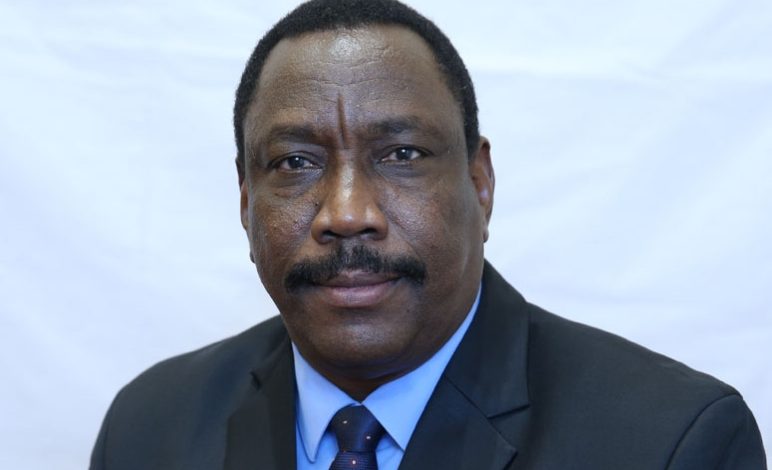
Dr. Bahr Abu Qarda
I have previously written several articles about the likely outcomes if El Fasher were to fall. Now that El Fasher has fallen, I do not want at this moment to delve more deeply into those outcomes and forecasts. Rather, I want to ask how the leadership has reacted to El Fasher’s fall.
What is striking—and puzzling—is why the leadership has not yet taken urgent measures. Why have emergency meetings not been convened so far?
Perhaps the brief statement by the Chairman of the Sovereignty Council last Monday, immediately after El Fasher fell, was issued to address field necessities related to securing the troops that withdrew from El Fasher. But now, four days later, why has the leadership not held emergency sessions at all levels—beginning with the Sovereignty Council and the Council of Security and Defense—to declare mobilisation and alert, and to address the nation?
I hope the leadership can match the speed of events. Remember that when Libya’s Government of National Accord realised the conspiracy against it was larger than it could face alone, it promptly signed a mutual defence agreement with Turkey and salvaged what could be salvaged. Many other states have likewise acted responsibly and swiftly under comparable circumstances.
Therefore I call on the leadership to convene an urgent joint meeting of the Sovereignty Council and the Council of Security and Defense today, not tomorrow, and to take the second step—immediately after declaring mobilisation and alert—of signing a mutual defence pact with Turkey to save the country. We must understand that we are not merely fighting the Rapid Support Forces militia; if that were the case it would have been easy—having been routed in El Fasher, let alone elsewhere in the country. We are confronting a regional and international force with enormous capabilities, which is spending vast sums to mobilise, to buy loyalties, and to recruit highly trained mercenaries from across the world.
Do what I have suggested today; otherwise you will be forced to submit to the Quartet’s decisions—which are effectively the decisions of the Abu Dhabi government—and to accept what is being called the “foundational government,” the militia’s government in Darfur. You will be compelled to accept a ceasefire that will enable that militia government to prepare for the second phase of the plan laid out for the rest of Sudan.
Then you will find that the Sudanese people will not accept the Quartet’s decisions or its arrangements for the country’s future, and you will be steering the country into the unknown.
O God, I have conveyed the message; O God, bear witness.