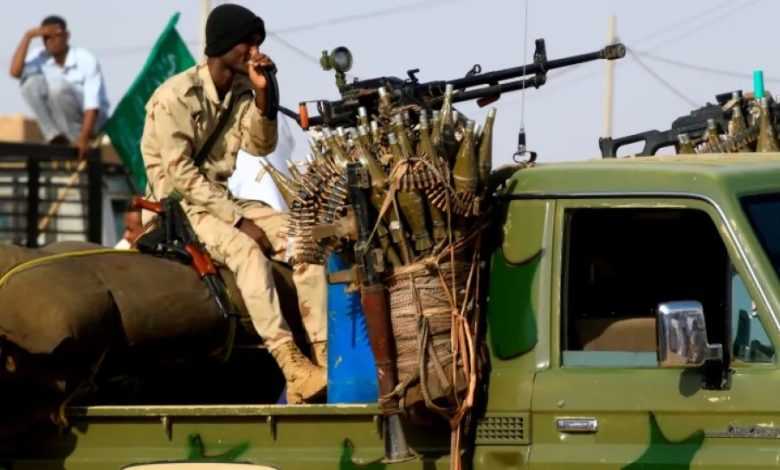
Pressure is mounting within the United States to designate Sudan’s Rapid Support Forces (RSF) as a terrorist organization, amid a rare bipartisan consensus in Congress — an uncommon occurrence given the country’s current political divisions.
Observers say this bipartisan push signals a clear shift in Washington’s political mood toward the Sudan conflict and a growing recognition of the grave risks posed by the RSF’s foreign-backed violence, particularly its alleged support from the United Arab Emirates.
Despite strong legislative momentum, the main obstacle remains the stance of the U.S. State Department, which has yet to issue final approval — with analysts suggesting that Emirati influence in Washington continues to hinder the decision.
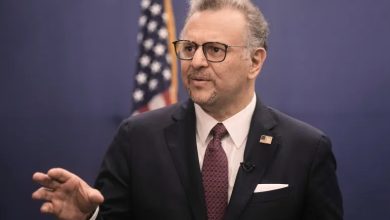
Sudanese activist Yasser Zeidan, based in Washington, said that grassroots efforts led by Sudanese youth groups and civil society organizations since September 2023 have aimed to pressure the U.S. administration to designate the RSF as a terrorist entity. These efforts included a national petition campaign and direct meetings with key members of Congress.
Zeidan noted that a Sudanese delegation met in July 2024 with Rep. Michael McCaul, Chair of the House Foreign Affairs Subcommittee on Africa, presenting a detailed dossier on RSF crimes and their threat to regional security. He added that follow-up discussions were also held with Democratic Rep. Pramila Jayapal in November 2024 to push for measures targeting the UAE, including halting U.S. arms exports to Abu Dhabi if its support for the RSF continues.
These moves coincide with rising international condemnation of RSF atrocities, following UN and human rights reports documenting mass killings, ethnic cleansing, sexual violence, looting of aid supplies, and brutal assaults on civilians across Darfur, Khartoum, and other regions.
Analysts believe the current momentum presents a historic opportunity to pressure the U.S. administration into decisive action, emphasizing that continued advocacy from Sudanese communities inside and abroad is vital to counter the political and media influence backing the militia.
“We stand on the verge of a crucial step,” Zeidan concluded, “but sustained public, diplomatic, and media pressure is essential to capitalize on this momentum and secure an official designation.”
Such a move, he added, “would deliver a major political, financial, and military blow to the militia and its backers, opening the door for international prosecution of its leaders, the freezing of their assets, and the dismantling of their funding and supply networks.”