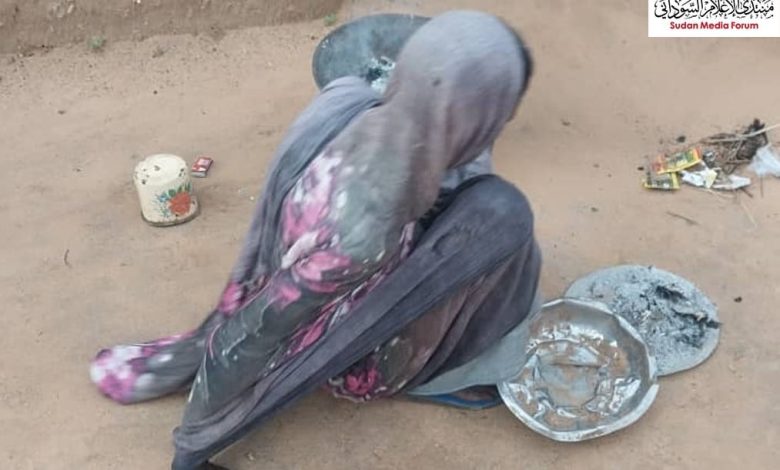
Three United Nations agencies said on Tuesday that the latest food insecurity analysis in Sudan revealed stark contrasts — improvement in areas where fighting has subsided, and worsening famine conditions in besieged or isolated regions.
In a joint statement, the Food and Agriculture Organization (FAO), the World Food Programme (WFP), and UNICEF said the “latest analysis of food insecurity and malnutrition in Sudan shows striking disparities along conflict lines.”
According to the statement, food security has improved in areas where violence has eased, allowing humanitarian access and market recovery. However, famine has spread in conflict-affected regions that remain largely cut off from humanitarian assistance or under siege.
The statement attributed the improvement to gradual stabilization since May 2025 in Khartoum, Al-Jazirah, and Sennar, where conflict intensity has declined, families have begun returning home, markets have reopened, and access to commercial and humanitarian supplies has become more regular. Still, it stressed that these gains remain fragile after the conflict devastated the economy and infrastructure.
It noted that ongoing conflict in western Sudan and extremely limited access continue to drive severe hunger and malnutrition.
The Integrated Food Security Phase Classification (IPC) — a global hunger monitoring system — declared on Monday that famine had been confirmed in El-Fasher and Kadugli, warning that it could spread to 20 more areas across Darfur and Kordofan. The report added that 21.2 million Sudanese are facing food insecurity — a drop of 4.3 million from the previous year-end update.
The UN agencies called for an immediate end to hostilities and unhindered humanitarian access to prevent further loss of life and to protect livelihoods.