The Security and Defense Council: Messages to the Domestic and International Arenas
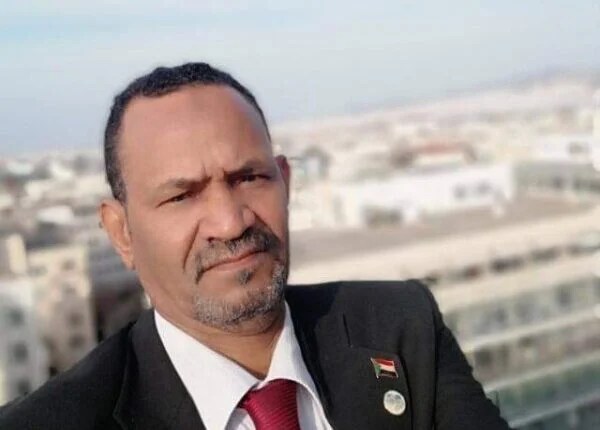
By Dr. Abdelmalik Al-Naeem
The meeting of the National Security and Defense Council, held last Tuesday under the chairmanship of General Abdel Fattah Al-Burhan, President of the Sovereignty Council and head of the Security and Defense Council, was both significant and decisive in addressing all the issues raised in light of developments on the domestic and international fronts.
In terms of timing, the meeting came as the Sudanese public needed clarity regarding the government’s stance—represented by the country’s highest security and defense authority—on what is unfolding both at home and abroad. It was also a message to the outside world, amid global discussions, initiatives, and pressures surrounding Sudan.
Importantly, the council met for the first time in Khartoum, signaling that the capital has regained a sense of security and stability, and that the government, in all its branches, is preparing to resume full operation from the city—especially since the Council of Ministers, chaired by Dr. Kamal Idris, had already convened its first session in Khartoum ahead of the Security and Defense Council meeting.
Naturally, council members were aware of the recent negotiations in Washington, followed by subsequent meetings in Geneva and Cairo, all of which focused on the Quartet’s statement and the prospects for peace in Sudan. These talks centered on mechanisms and guarantees that preserve Sudan’s sovereignty, security, and independent decision-making, while ensuring justice for Sudanese citizens who have suffered grave violations at the hands of militias and mercenaries—groups that have targeted both government and civilian facilities.
This, the council emphasized, calls for a firm stance on reconstruction, reparations, and the responsibility of the state that financed the war—namely, the United Arab Emirates—against which Sudan’s formal complaints remain before the UN Security Council and the International Court of Justice.
The issue of the proposed three-month truce was also addressed. U.S. envoy Mossad Paulos, in a press conference at the U.S. Embassy in Cairo, claimed that “the parties to the conflict” had agreed to the truce in principle, pending details. However, as the author asserts, those details lie solely with Sudan’s Security and Defense Council, the Sudanese government, the soldiers in the field, and the Sudanese people who stand firmly with their army and government. The matter was conclusively settled following the council’s meeting and the subsequent statement by Defense Minister General Hassan Kamroon, the council’s rapporteur.
The statement carried clear domestic messages: that the government’s decisions derive from the will of the Sudanese people and the fighters on the ground. Therefore, there will be no truce, no ceasefire, and no negotiations with those who have violated Sudanese women, displaced its citizens, and desecrated its land—until every inch of the homeland is liberated from rebellion and mercenary forces. This message reaffirmed the government’s alignment with popular sentiment and dismissed rumors spread through disinformation campaigns or by domestic political factions supportive of Qahd and Taqaddum.
Externally, the council’s statement delivered three key messages:
1. Commitment to peace and security, but on Sudan’s own terms—determined by its people, army, and government, not by external conditions or dictates from any country, bloc, or council.
2. Willingness to continue dialogue with international actors, but only on mutually agreed agendas, not those imposed unilaterally as in past encounters. Sudan, the statement affirmed, retains the sovereign right to make its own decisions in such dialogues in line with its national interests and the will of its people.
3. Rejection of the proposed truce under current circumstances, given that rebel forces, after entering El Fasher, now control much of Darfur. The council warned that any ceasefire at this stage would merely allow the rebels to rearm and resupply, particularly as UAE weapons and logistical support continue to flow heavily into Nyala and other regional centers.
The message was unequivocal: the international community must designate the Rapid Support Forces as a terrorist organization, compel the UAE to halt its military support for the insurgents, and provide urgent humanitarian aid to the displaced fleeing the massacres in El Fasher. It must also work to stop the criminal acts of the mercenaries, including the recent burning of ready-to-harvest crops around Nyala and Zalingei.
Ending these crimes and the inflow of weapons, the council stressed, must be a prerequisite to any discussion of a ceasefire or truce.