Sudan’s Withdrawal from Supporting Abu Dhabi’s Candidate for UN Tourism Agency Rings Alarm Bells Over Risks Facing the Sector
Sudan Events – Agencies
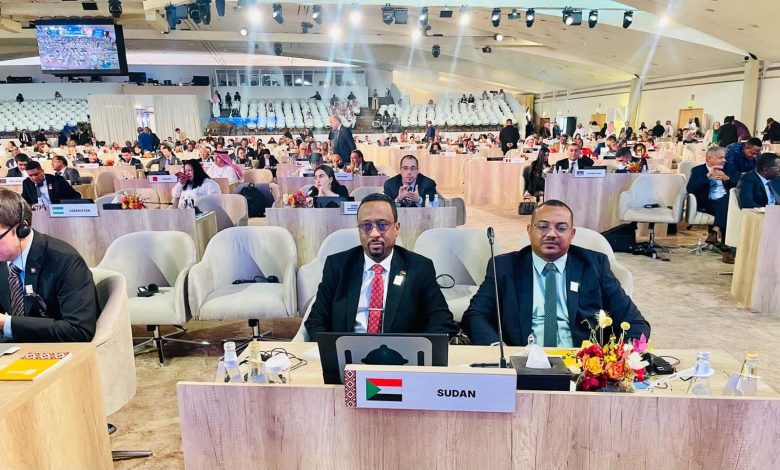
Sudan’s decision to withdraw from the 26th General Assembly of the United Nations World Tourism Organization (UNWTO), held in Riyadh, Saudi Arabia, has received wide support both domestically and internationally. Many observers described it as an honest expression of the nation’s conscience and a tribute to the sacrifices made in defense of sovereignty and national dignity.
Analysts stressed that the move does not represent a withdrawal from international engagement or global tourism cooperation. Rather, it is a principled stance reflecting Sudan’s unwavering national positions—a clear message to the international community that dignity cannot be traded for positions, and that national sovereignty is paramount. They added that any party contributing to the destruction or looting of another nation’s cultural and tourism heritage is unworthy of assuming a leadership role in a global tourism institution.
Observers also noted that sustainable tourism has become a global priority. The UNWTO defines it as “tourism that takes full account of its current and future economic, social and environmental impacts.” It seeks to create jobs, promote local culture and products, and protect both the environment and local communities. However, supporting militias and mercenaries who destroy tourism infrastructure—as is happening in Sudan—prevents nations from benefiting from this vital resource and undermines the 17 UN sustainable tourism goals, including environmental protection, cultural preservation, support for local economies, and safeguarding human rights.
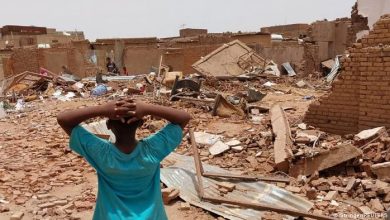
Direct consequences of the UAE’s support for militia and mercenary warfare in Sudan include the worsening chaos and the systematic looting and destruction of Sudan’s archaeological and tourism sites. Several heritage landmarks have suffered extensive damage, including the Meroe Pyramids and Jebel Barkal—both affected by ongoing clashes. The Sudan National Museum has seen 80% of its artifacts stolen or damaged. Other sites hit include Nyala Museum in South Darfur, the Gezira Museum in Wad Madani, and the Sultan Ali Dinar Museum in El-Fasher.
Multiple international reports have documented these violations. UNESCO expressed concern over the increasing smuggling of Sudanese antiquities, while Spain’s Interior Ministry announced the interception of a smuggled statue—one of five stolen from the Jebel Barkal Museum.
Significant efforts have been made to protect Sudan’s antiquities at the local, regional, and international levels. UNESCO issued an urgent appeal to combat the trafficking of Sudanese cultural artifacts and worked with Sudanese authorities to recover stolen items. INTERPOL listed looted Sudanese antiquities to aid in their retrieval. The European Union imposed sanctions on individuals and entities involved in smuggling Sudanese heritage, and the United States included Sudan among countries facing severe risks to cultural property protection. Amnesty International also called for immediate measures to safeguard Sudan’s antiquities.
A special committee has been established to coordinate national and international efforts to protect Sudan’s heritage.
The Sudanese delegation announced its withdrawal from the UNWTO meetings in protest of the nomination of a representative from Abu Dhabi for a senior leadership position in the organization. Khartoum viewed this nomination as a blatant bias toward a country it considers one of the main supporters of the rebel militia responsible for widespread violations in Sudan, targeting its civilian institutions and cultural and tourism assets.
In his remarks prior to the withdrawal, Sudan’s Minister of Culture, Information and Tourism, Khalid Al-Aysir, stated that the destruction inflicted on Sudan’s tourism sector—both infrastructure and heritage—was a direct result of attacks carried out by the Rapid Support Forces militia, supported by regional and foreign actors who violated the principles of brotherhood and good neighborliness and financed a war machine that devastated the resources of the Sudanese people.
The minister emphasized that Sudan’s participation in the UNWTO meetings aimed to deliver its message to the international community and draw attention to the looting and destruction of its national heritage by the rebel militia. He also praised Saudi Arabia’s exceptional organization of the session, and expressed appreciation for the understanding shown by several Arab and foreign delegations toward Sudan’s legitimate position.
He added that Sudan remains open to sincere international partnerships based on mutual respect and non-interference in internal affairs, underscoring that the decision to withdraw reflects the will and awareness of the Sudanese people in confronting attempts to undermine their sovereignty and unity.
This national stance comes at a time when Sudan is facing a systematic assault on its historical and cultural heritage. National museums and archaeological sites—including the National Museum in Khartoum and the Sultan Ali Dinar Palace Museum in El-Fasher—have been subjected to organized looting and vandalism, marking a direct attack on the country’s historic identity and collective memory.
Despite the presence of delegations from more than 150 countries and 300 specialized tourism bodies, the organization’s disregard for Sudan’s suffering and its national struggle against terrorism and rebellion made this historic stand necessary.
Values endure, authenticity remains, and Sudan’s gold does not tarnish.
Sudan’s withdrawal and its objection to the nomination of a UAE representative—given the UAE’s support for the Rapid Support Forces militia and its role in enabling the destruction and looting of Sudan’s tourism and heritage—serve as an important warning. It is an alarm bell for the peoples of the world: allowing parties known for supporting lawlessness and plunder to assume leadership of an international institution responsible for a vital sector such as tourism—which can only thrive through stability and peace, not war and chaos—is a looming danger and a grave threat.
Source: SUNA