Social Media in Sudan: A Tool of Mobilization and a Machine of Polarization
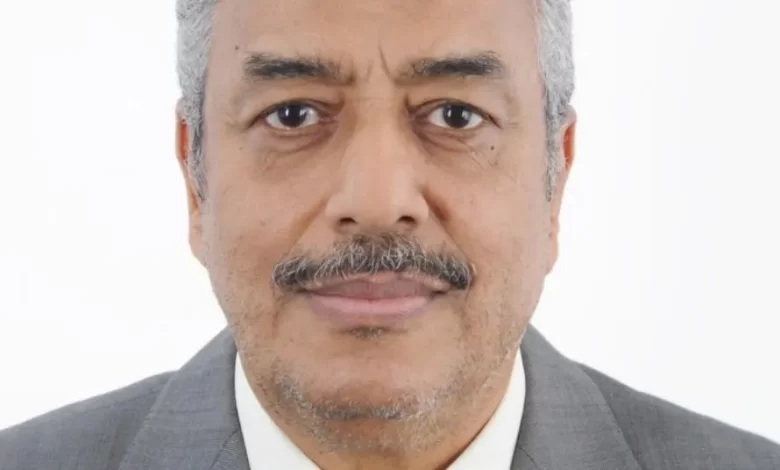
by Dr. Ismail Sati
Introduction
Since the outbreak of protests in Sudan in December 2018—and even earlier—social media platforms have played a pivotal role in the Sudanese public sphere. They evolved from traditional communication channels into dynamic spaces for political mobilization and the shaping of public opinion.
While I acknowledge that I am not neutral regarding the devastating war that is tearing our country apart, I approach this article from an analytical and scientific perspective, examining how these platforms have contributed to deepening divisions within our local and regional communities, using the Sudanese context as a case study.
From Overcoming Polarization to Deepening It:
The Structural Transformation of Social Media in Sudan
The shift from limited activism to broad collective mobilization was not a phenomenon born in late 2018; its roots extend back to 2013 with the gradual spread of social media in Sudan—particularly Facebook and WhatsApp. During this preliminary stage, scattered local and regional efforts began to take organized form, paving the way for the wave of mass mobilization that preceded the fall of the Bashir regime.
The Peak of Unity (2018–2019)
During this period, digital mobilization reached its height. Platforms such as Facebook and Twitter (later X) became unified spaces calling for change. Hashtags like #December_Million and #JustFall rallied crowds across ideological lines, fueled by the presence of a clear and common “enemy.”
Algorithms amplified this current, generating unprecedented collective momentum.
The Phase of Fragmentation (Post-2019)
With the disappearance of the common enemy following the regime’s fall, social media shifted from tools of unity to instruments of fragmentation. Conflicts surfaced between proponents of radical transformation, and debates erupted over the identity of the state and the legitimacy of governance. Algorithms recalibrated themselves to reinforce narrow affiliations and extremist discourse at the expense of broader national interests.
Mechanisms of Digital Polarization:
Algorithmic Filtering, Echo Chambers, and Virtual Fragmentation
• Algorithmic Filtering
This is the engine that drives polarization. Algorithms automatically sort and rank content based on a user’s data and digital behavior. By tracking searches, likes, and screen time, they create personalized digital bubbles designed to maximize engagement.
While this can be convenient, it becomes dangerous when it filters out opposing viewpoints, laying the groundwork for systematic intellectual isolation.
• Echo Chambers
The second stage of polarization occurs when the digital bubble evolves into a closed environment in which individuals are exposed only to content that reinforces their existing beliefs. Algorithms fortify these chambers by amplifying aligned content, resulting in:
-
Reinforced convictions presented as absolute truth.
-
Deepened polarization and widened gaps between differing viewpoints.
-
Intellectual isolation so severe that opposing views are seen as ignorant or malicious.
• Digital Fragmentation
This marks the zenith of the process. Echo chambers become isolated digital islands where groups interact only with those who resemble them, with little cross-group understanding.
This fragmentation weakens shared discourse, producing parallel “realities.”
Such was the case in Sudan during the 2018–2019 uprising—supporters and opponents inhabited separate, insulated digital worlds.
After the April 2023 war, these islands hardened into hostile camps, such as:
-
Civilian vs. military
-
Islamic vs. secular
-
Supporters of the army until the defeat of the Rapid Support Forces vs. anti-war groups who view all fighting as catastrophic
The result: erosion of shared truths, a breakdown of dialogue, and the emergence of a fractured society living in multiple, incompatible realities.
Outcomes of Algorithmic Filtering, Echo Chambers, and Digital Fragmentation
These mechanisms produced several dangerous phenomena that fueled polarization in Sudan:
• Amplification of extremist discourse due to algorithmic preference for emotional, sensational content.
• Sectarian rhetoric: labels like “Islamists,” “secularists,” “Gahata,” and “remnants” became insults rather than descriptors.
• Conspiracy theories, eliminating space for rational dialogue.
• Information warfare: spreading false or fabricated stories to tarnish public figures and manipulate opinion.
• Fake and ideological accounts (“electronic armies”) promoting unified narratives and attacking dissent to create an illusion of mass support.
• Dichotomous portrayal of institutions:
-
The army depicted either as guardian of the nation or as a tool of Islamists against the revolution.
-
The RSF portrayed either as protector of the revolution or as a renegade militia that attacked state and society.
• Revival of ideological battles, especially the Islamist–secular divide, even where irrelevant.
Thus, social media in Sudan has not merely reflected polarization—it has actively intensified it, constructing isolated virtual realities and amplifying extremist rhetoric. More dangerously, this divisive momentum may lead to long-term structural societal fragmentation based on tribal and ethnic identity, reshaping Sudan for decades.
Understanding these mechanisms is essential for any future effort to rebuild social cohesion and establish a national dialogue that transcends digital echo chambers.
Pathways to Solutions: From the Individual to Platforms to the State
1. Individual and Societal Responsibility (Intellectual Immunity)
-
Media literacy: enhancing the ability to detect misinformation and understand algorithmic biases.
-
Self-discipline: verifying content before sharing and resisting emotional, inflammatory discourse.
-
Real communication: direct dialogue with opposing groups to dismantle stereotypes.
2. Platform Responsibility (Ethical Accountability)
-
Algorithmic transparency: public pressure on Meta, X, and others to reveal how their systems amplify extreme content.
-
Fact-checking: partnerships with independent bodies to limit misinformation.
-
Promotion of balanced content: adjusting algorithms to support calm, analytical material.
-
Managed multi-format dialogues: virtual, broadcast, and in-person forums that model respectful debate.
3. State and Institutional Responsibility (Regulatory and National Framework)
-
Direct national dialogue: bringing political and social groups together under a unified goal of “saving Sudan.”
-
Smart regulatory frameworks: combating hate speech while maintaining freedom of expression.
-
Supporting independent media: strengthening professional journalism as a credible alternative to digital noise.
The Greatest Challenge: Political Will and National Consensus
Many actors benefit from polarization—both on the ground and online—because it is an effective mobilization tool.
Therefore, real solutions require:
-
Acknowledgment by all sides that they are part of the problem.
-
Willingness to sacrifice narrow mobilization gains for broader national interest.
-
A neutral and trusted mediator (local or international) to help de-escalate tensions.
Conclusion
The real solution begins with a fundamental realization: the “opponent” is not absolute evil, and “truth” is not monopolized by a single faction.
While social media contributes to the problem, the core of the solution lies in human will—breaking the cycle of hatred and rebuilding lost trust.
Trust cannot be restored through Facebook posts, but through concrete actions, direct dialogue, and a genuine rejection of polarizing rhetoric.
May God guide us toward what is right.