A coalition of 82 countries condemns militia crimes in Al-Fashir and calls for an immediate ceasefire
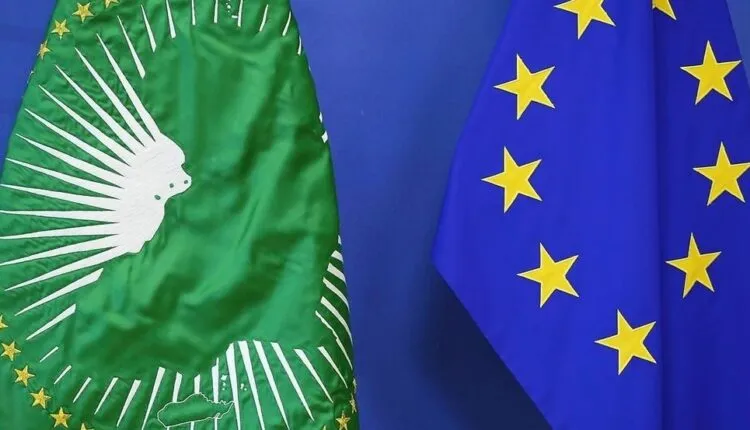
A coalition of 82 countries from the African and European Unions issued a joint statement condemning the crimes and atrocities committed by the Rapid Support Forces (RSF) militia in the city of Al-Fashir following their takeover of the city in late October 2025.
The stance was part of the closing statement of the 7th AU-EU Summit, hosted by the Angolan capital, Luanda, with the participation of heads of state and government from both continents.
The statement stressed that the situation in Sudan “raises deep concern,” and that what civilians in Al-Fashir have endured constitutes serious violations that require accountability for the perpetrators. It called for an immediate cessation of hostilities and the unhindered delivery of humanitarian aid across the country, including besieged areas in Darfur.
The African–European coalition also emphasized that the political solution to Sudan’s crisis must be fully Sudanese under the auspices of the African Union and IGAD, and that parallel or external tracks do not constitute a legitimate path to ending the war. The statement noted that supporting the political process through African institutions is the primary guarantee for maintaining national unity and restoring the civilian transition.
Alongside the clear condemnation of the RSF, the statement listed Sudan among the world’s “most dangerous conflict hotspots,” alongside the occupied Palestinian territories, Ukraine, and the Democratic Republic of Congo, highlighting the severity of the humanitarian and political situation in the country.
The statement also addressed Sudan’s pivotal role in regional migration issues, affirming continued cooperation on the Continental Operational Centre to combat irregular migration, despite the complications of war.
This joint move comes amid escalating regional and international warnings about the worsening humanitarian catastrophe in Darfur, particularly following UN reports of mass killings, widespread violations, and restrictions on humanitarian access for civilians. The statement is also seen as a crucial step toward increasing international pressure on the RSF and on regional actors accused of providing logistical and military support.