Russian Center: The West Sees Only Its Own Interests in Sudan and South Sudan
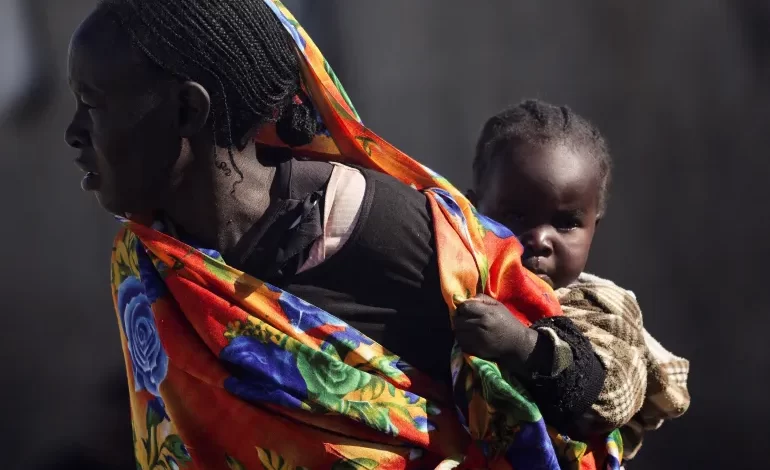
Sudan Events – Agencies
In a report published by the “Russian Strategic Culture Foundation,” writer Dmitry Nevidov sheds light on the escalating political and military conflicts in Sudan and South Sudan, and their impact on humanitarian conditions as well as regional and international strategies related to natural resources and global partnerships.
According to Nevidov, the UN Security Council extended in May 2025 the sanctions imposed on South Sudan until 31 May 2026. These sanctions include asset freezes, travel bans, and an arms embargo. The resolution passed with nine votes in favor, while Russia, China, Algeria, Somalia, Sierra Leone, and Pakistan abstained.
This development coincides with South Sudan’s resumption, since May 2025, of transporting its oil through the 1,550-kilometer pipeline running across Sudanese territory to Port Sudan on the Red Sea—despite long-standing Western sanctions on Sudan.
Vast Reserves
Estimates indicate that proven oil reserves in South Sudan could be exceptionally large, surpassing 4 billion barrels by 2025.
Oil remains the pillar of the South Sudanese economy, generating around 65% of GDP and nearly 80% of export revenues. The country also holds significant reserves of natural gas and petroleum.
According to Nevidov, South Sudanese authorities are exploring opportunities for cooperation with Russia and China in the oil and gas sector, while ruling out partnerships with Western companies.
In September 2023, Russian President Vladimir Putin and South Sudanese President Salva Kiir discussed plans to establish oil refineries in Juba and Wau during Kiir’s first official visit to Moscow.
Khartoum’s Position
Regarding the extended sanctions, Russia’s Deputy Permanent Representative to the UN, Anna Evstigneeva, stated that “the document has become increasingly burdened with political assessments of the internal situation. It is time to ease the Security Council sanctions imposed on South Sudan.”
As for Sudan, Nevidov reports that amid worsening field conditions and a deepening humanitarian crisis, Sudan’s ambassador to Russia, Mohammed Siraj, has requested Moscow’s assistance in providing humanitarian supplies as well as potentially mediating in Darfur to help resolve the ongoing conflict, which has been accompanied by acts of genocide.
According to the writer, Khartoum has rejected a recent ceasefire proposal put forward by the White House, viewing it as an attempt to impose conditions aimed at dismantling Sudan’s armed forces and preserving the “gains of the rebels.”
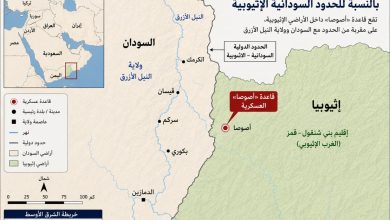
Most Sudanese oil fields—many of which are controlled by the Rapid Support Forces—are located in the south of the country near the border with South Sudan, reflecting the deep interconnectedness of the energy sectors of the two countries that once formed a single state.
A Western Strategy
Nevidov adds that this sector relies on five oil refineries in central and northern Sudan, most prominently the Khartoum Refinery and the Port Sudan Refinery, the two largest facilities, both under government control.
He points out that since 2017, Sudan and South Sudan have cooperated with Russia within the OPEC+ alliance, despite efforts by some Western politicians to persuade members of the group to exclude both countries on the grounds that they are under international sanctions.
Nevidov argues that after attempts to ignite a new direct conflict between Khartoum and Juba failed, current efforts have shifted toward weakening both nations from within.
This, he concludes, is part of a broader strategy to prevent African countries from cooperating with China and Russia, thereby enabling future control over their natural resources.
Source: Al Jazeera Net