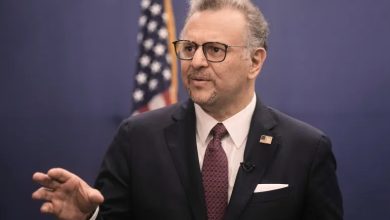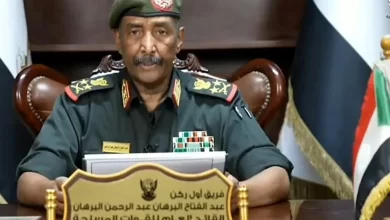
The U.S. administration is considering imposing a broader package of sanctions on the Sudanese army and Rapid Support Forces (RSF), reflecting the stalled efforts of U.S. envoy Musaad Boulos to persuade the warring parties to accept a ceasefire, despite increasing pressure from Washington and its regional allies.
These developments follow last week’s announcement by President Donald Trump that he has initiated direct action to end the war, responding to a personal request from Saudi Crown Prince Mohammed bin Salman. U.S. Secretary of State Marco Rubio described Trump as “the only leader capable of resolving the Sudan crisis,” signaling the administration’s reliance on his direct intervention.
Diplomatic sources indicate that the combatants have been informed that Washington is ready to deploy a “wider set of punitive sanctions” against entities obstructing a truce, amid the ongoing collapse of the “Quartet” plan—the U.S., Saudi Arabia, UAE, and Egypt—which proposed a three-month humanitarian pause followed by a political transition to civilian governance.
Meanwhile, the Norwegian Foreign Ministry is preparing to invite a broad spectrum of Sudanese actors to Oslo in the coming weeks to discuss the potential reshaping of a civilian government if ceasefire efforts succeed.
The United Nations reports that the conflict has claimed at least 40,000 lives and displaced over 14 million people, creating what it calls “the world’s worst humanitarian crisis.” UN reports accuse the army and RSF of widespread violations, while allegations persist of UAE support for the RSF, which Abu Dhabi denies.
The UN High Commissioner for Human Rights warned of a potential “new wave of atrocities” in Kordofan following the fall of Bara to RSF forces, noting over 269 civilian deaths in recent weeks due to airstrikes, shelling, and field executions.
Observers say the success of U.S. efforts may hinge on Trump’s ability to convince the UAE to reconsider its support for the RSF and push Saudi Arabia to adjust its stance on Sudan’s military institutions.
Amid this complex landscape, indicators suggest that the conflict may escalate further unless a comprehensive ceasefire is reached to restore the political process and halt the accelerating humanitarian collapse.