An investigation by Agence France-Presse (AFP) uncovered a network spanning from the Andes in South America to the battlefronts of Darfur in western Sudan, where Colombians are fighting alongside the Rapid Support Forces (RSF) in a destructive war against the Sudanese army that has lasted over two years.
Hundreds of former Colombian soldiers reportedly traveled to Sudan with promises of high salaries. Many were killed on the distant battlefield, while survivors have been accused of committing war crimes.
Based on interviews with mercenaries and their families, company records, and geolocation of battlefield footage, AFP highlighted the role of Colombians in bolstering the RSF, accused of genocide.
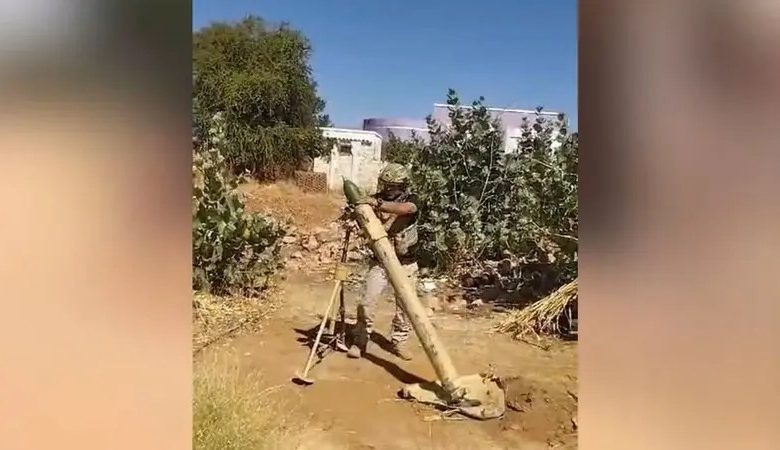
Mercenaries reportedly traveled to Sudan via two routes: one through eastern Libya and the other through Somalia. Geolocation of their footage shows them participating in some of Darfur’s fiercest battles.
A former Colombian colonel, sanctioned by the United States for being part of this recruitment network, said their mission involved recruiting 2,500 men into the RSF ranks. Former Colombian soldiers said they received $2,500 to $4,000 per month, six times their military pension.
On December 9, the U.S. imposed sanctions on four Colombians and their companies for their role in this transnational network.
At the end of October, the RSF captured Al-Fashir, the army’s last stronghold in Darfur, after an 18-month siege, amid evidence of mass killings, abductions, and sexual violence. According to the U.S., the fall of the city was “supported by Colombian fighters.”
Verified video footage shows Colombians in and around Al-Fashir prior to the takeover. One allied military group reported that approximately 80 Colombians participated in the siege since August. In one video, Colombians are seen driving through the ruins of Zamzam IDP camp in North Darfur, listening to reggaeton music, with one man remarking, “Everything is destroyed.” Over 1,000 civilians were killed in the RSF attack on the camp in April, displacing more than 400,000 people, described by survivors as “ethnic massacres.”