Sudanese–Egyptian Partnership to Rebuild the Drinking Water Sector
Khartoum and Cairo are moving toward launching a strategic partnership to rehabilitate the drinking water sector, which has been among the most severely damaged sectors during the war.
Estimates indicate that around 32% of the sector’s infrastructure has been destroyed, including production plants, transmission lines, and distribution networks, posing a direct threat to public health—particularly given that nearly 80% of diseases are linked to water sources and water safety.
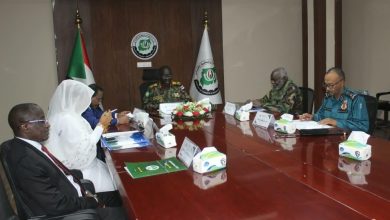
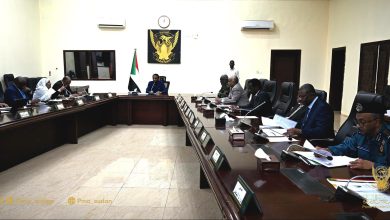
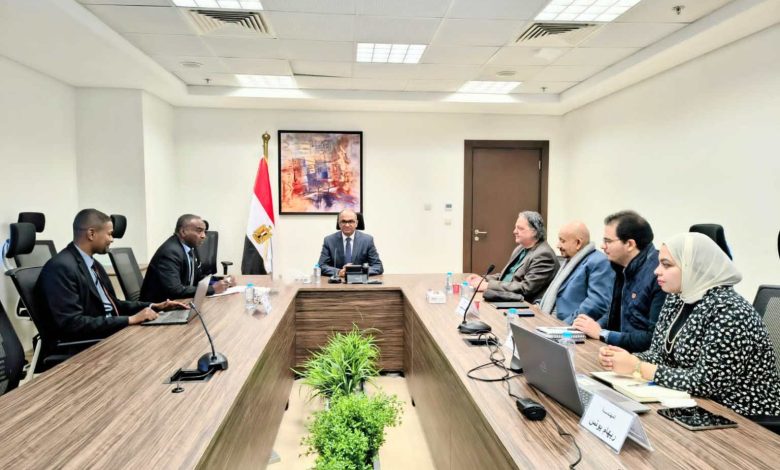
In this context, and under the directive of the Minister of Agriculture and Irrigation, Professor Issmat Qarshi, relevant authorities in both countries held a joint meeting attended by the Director General of Sudan’s Drinking Water and Sanitation Unit, Engineer Hisham Al-Amir Youssef, and Dr. Sayed Ismail, Egypt’s Deputy Minister of Housing, Utilities and Urban Communities, alongside specialized technical teams.
The meeting discussed the scale of the damage and the development of an integrated reconstruction program. It was revealed that Khartoum State alone has 13 Nile-based water stations that previously supplied around 8 million people before the war, with production capacities exceeding 280,000 cubic meters per day at some plants. Many of these facilities, however, have suffered complete or partial shutdowns, in addition to severe damage to sedimentation basins, supply lines, and electrical systems.
The damage also extended to the drinking water equipment factory and the water treatment chemicals plant, leading to difficulties in supplying chlorine and polymer compounds and increasing reliance on imports. Participants stressed the urgent need to return these factories and facilities to operation.
On capacity building, discussions included the establishment of a specialized technical school to train and qualify national cadres under the ministry’s supervision, addressing the acute shortage of technicians and skilled labor and ensuring the sustainable operation of water facilities during both emergency and reconstruction phases.
The Egyptian side affirmed its commitment to providing technical support and transferring expertise in the design and operation of water stations, infrastructure rehabilitation, and human capacity development. Both sides agreed to sign a memorandum of understanding, immediately initiate implementation procedures, and arrange a visit by a specialized technical delegation to finalize details and preparations.
The partnership was described as a pivotal step toward reconstruction, improving living conditions, and ensuring access to safe and sustainable drinking water, given the water sector’s central role in economic recovery and social stability in Sudan.