Al-Burhan and the Ankara Message
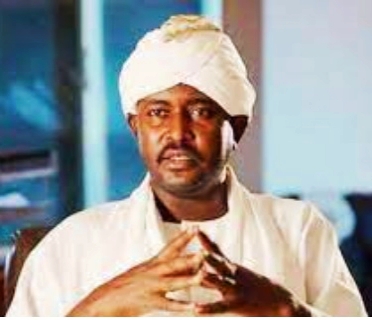
Al-Sadiq Al-Razeigi
In a meeting with a Sudanese–Turkish group of prominent figures, opinion leaders, and influencers—along with a number of Sudanese and Turkish journalists—held at the Sudanese Embassy in Ankara on Saturday evening, General Abdel Fattah al-Burhan, Chairman of Sudan’s Sovereign Council, delivered a comprehensive and detail-rich account of his visit to Turkey. He laid out key information on the trajectories and developments of events, as well as proposed solutions to end Sudan’s war, sending clear messages to domestic and external actors he wanted to hear the country’s warning—and its resolve.
He spoke as he never had before. The success of his visit to the Turkish capital appeared to carry into the meeting itself. He opened by addressing the strategic partnership between Sudan and Turkey, approved in all its details by the two presidents. He expressed gratitude to President Recep Tayyip Erdoğan and to his positions—stemming, he said, from a deep sense of the rootedness and depth of relations between the two countries—which led Erdoğan to speak about Sudan on three separate occasions within a single week and at different events.
A strategic relationship, al-Burhan explained, means that solidarity, mutual support, and cooperation have moved beyond understanding to alignment—shared concerns and the creation of effective, real mechanisms to reinforce this orientation, enhance prospects for success, and strengthen the bonds and ties linking the two countries. These are long-standing historical relations which, he said, did not begin in recent eras or colonial periods; their roots run far deeper.
The Chairman of the Sovereign Council noted that the coming period will witness a full transition in bilateral relations toward a clearly defined horizon across all fields referenced by the Turkish president—economic cooperation, agriculture, mining, and defense industries. In this context, Turkey has for some time viewed Sudan as a key pillar of its national security strategy, as President Erdoğan stated that Sudan’s security is part of Turkey’s national security. Developments in the wars in Sudan and Yemen, and ongoing international and regional interventions in the Horn of Africa, necessitate active Turkish engagement in Sudan and its neighborhood to achieve stability, reassurance, and peace—so as to avert the risks of chaos, fragmentation, and attempts to redraw the region’s political geography into a proliferation of fragile mini-states in a slippery, volatile environment.
If al-Burhan’s visit settled choices and set the direction, what is expected now is immediate engagement to build a strategic framework covering the agreed areas. This, in turn, would contribute to extinguishing the flames of war and advancing mutual benefits and interests—vital horizons into which bilateral relations have now entered.
Against this backdrop, al-Burhan’s meeting served as a direct translation of the visit’s outcomes. As he reviewed the situation in Sudan, he did so with high confidence in achieving victory, ending the rebellion, and building strong state institutions capable of fulfilling the aspirations of the Sudanese people.
He addressed regional and international engagement on the Sudan issue, including proposals put forward by the “Quartet” that were ultimately rejected, explaining Sudan’s approach to dealing with them and the state’s seriousness about ending the war on the terms of the Sudanese people—through their strong will embodied in the fusion of the army and the people and their unity to defeat the rebellion and its allies.
Al-Burhan concealed nothing. He was candid and clear in presenting information about dialogue with the United States, the instances of direct engagement with the United Arab Emirates—including a phone call with Mohammed bin Zayed—and what transpired in Washington between Sudanese and Emirati delegations. He explained why Sudan rejects the UAE’s inclusion in the Quartet or in any other mediation, and why the rebellion must be ended and the militia compelled to surrender—whether through negotiation or military means.
Many questions that have lingered for some time were addressed in his lengthy remarks, with tightly framed, deliberate, and unambiguous answers. He said U.S. President Donald Trump has intentions and expectations and is awaiting ideas on how to resolve the crisis—ideas that have yet to be presented—while noting a shift in the U.S. position following the Saudi Crown Prince’s visit to Washington. On domestic matters—particularly developments in the war, mobilization, popular resistance, youth fighting alongside the armed forces and other regular forces, and the militia’s surrenders—al-Burhan spoke forthrightly and comprehensively, leaving no room for doubt: there will be no place for the militia or its leaders; the country will be liberated from them and will enjoy security; and their allies, backers, and co-conspirators will be unable to return or withstand the wrath of the great Sudanese people.
Al-Burhan devoted a substantial portion of his remarks and responses to questions about the current state of negotiations and reports of a truce or ceasefire. He intensified his attack on the United Arab Emirates, accusing it of aggression against Sudan and of pursuing political projects, and asserted that developments in Somaliland and attempts to divide Yemen would have dire consequences for any state or force seeking to fragment countries in the region. Sudan’s position on this issue, he said, is clear.
The takeaway from al-Burhan’s remarks is that the state is moving forward to secure the country through its strategic alliances, alongside its international partners, and—by the will of its patient people—will win the bet.