Heightened Activity Along the Ethiopian Border… Army Strikes Yabous Area with Drones
Report – Sudan Events
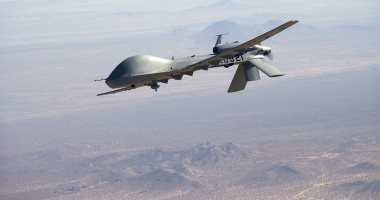
Army aircraft carried out intensive airstrikes targeting gatherings of rebel leader Joseph Tuka’s forces in the Yabous area, south of Blue Nile State. This marks the first time Tuka’s forces have been hit by drone strikes launched by the army. The attack resulted in casualties, the destruction of military vehicles, and the obliteration of weapons shipments that had reportedly arrived from Ethiopia into the area controlled by the rebel leader.
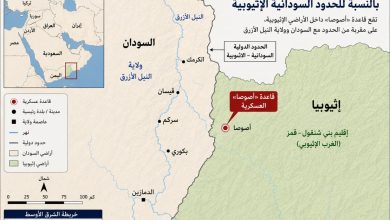
According to informed sources, the strike disrupted attempts by militia forces to shift military operations into eastern Sudan via the Sudanese–Ethiopian border, specifically through South Blue Nile. This assessment was corroborated by a report issued by the ICAD platform, which stated clearly that the militia is seeking to open a new front in eastern Sudan, particularly in the Benishangul region.
Ethiopia has acknowledged the existence of military camps in Benishangul but insists they belong to the Ethiopian army and are not connected to the Rapid Support Forces (RSF). However, credible media reports indicate that the flow of weapons from inside Ethiopia to the Yabous airstrip remains ongoing. The Yabous area is reportedly controlled by a figure known as Joseph Tuka.
ICAD previously confirmed that satellite imagery it analyzed showed cargo trucks moving from inside Ethiopia toward Yabous, where an airstrip has been constructed. The platform suggested that this strip is likely used for launching drones from Yabous village to other areas, and that some of the drones which recently targeted army forces and civilian infrastructure may have been launched from there.
The report noted that Ethiopia’s Assosa Airport is located just 30 kilometers from the Yabous airstrip. It also pointed out that Assosa Airport itself has undergone unusual upgrades, including runway expansion and the construction of hangars—developments that, according to ICAD, appear to exceed civilian needs and suggest a potential military role. By tracking air traffic, the platform observed that three aircraft of unusual size recently landed at the airport and were later identified as cargo planes capable of transporting vehicles and military equipment.
Further analysis revealed that Assosa Airport had previously received drones such as the Mohajer-6, TB2, and Bayraktar during the Ethiopian conflict. The platform also highlighted a critical logistical factor: a road linking Yabous to Assosa spans just 35 kilometers, providing an easy and direct route for smuggling weapons, fighters, combat vehicles, and drones.
These supply routes, observers say, appear to have been directly targeted by army aircraft and drones, effectively turning the Sudanese–Ethiopian border zone into an active theater of military operations. Political activist and academic Alami Kanda described this development as a case of “strategic stupidity,” noting that Abdelaziz al-Hilu previously made the same mistake by aligning with the militia and thereby bringing the war into his territories. He argued that Joseph Tuka is now repeating that error by dragging conflict into areas that had long remained untouched by fighting.
Kanda added that neither al-Hilu nor Tuka possesses the technological capability to counter drones and modern weapons, relying instead on outdated, conventional arms. He stressed that their fighters lack the necessary training to confront advanced aerial warfare, leaving them vulnerable in a battle they are ill-equipped to fight. “Neither the militia, nor the UAE, nor Ethiopia will protect him,” Kanda said, adding that Tuka will ultimately face the army alone with obsolete weapons and limited capabilities. He concluded that the army’s ability to reach Yabous with its aircraft is a clear indication of what lies ahead.
Meanwhile, Dr. Ahmed Saad, a specialist in Horn of Africa affairs, warned that Ethiopia would be making a grave mistake if it is proven to have established a supply line from its territory into Yabous for transferring weapons and fighters. He noted that Ethiopia, amid major regional transformations, shares a long and volatile border with Sudan—one rife with explosives, disputes, and armed ethnic groups hostile to the government in Addis Ababa. “Igniting the border with Sudan is not a wise move at this time,” he said.
Dr. Saad further cautioned that any widespread chaos fueled by weapons in the region would primarily harm Ethiopia itself. Witnesses have reportedly confirmed that newly deployed advanced aircraft carried out precise strikes on a convoy of six trucks transporting soldiers, along with 26 combat vehicles, a tank, and an armored vehicle. This, he said, indicates that the area has become militarily active and that weapons smuggled across the Ethiopian border are being used directly to support the militia’s plan to open a new front in eastern Sudan—particularly in South Blue Nile—with the potential to expand the conflict further east and launch drone attacks on cities in that region.