Agriculture: Food Shortages a Challenge Facing Sudan and the World
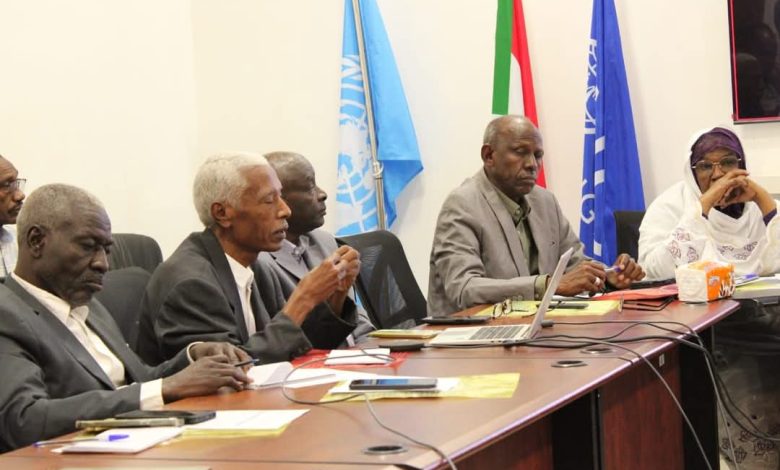
The Ministry of Agriculture and Irrigation, in cooperation with the UN Food and Agriculture Organization (FAO), organized a stakeholder framework planning workshop at the International Migration Hall in Khartoum to develop Sudan’s Country Programming Framework for 2026–2028 and set the action plan for the same period.
The workshop was chaired by Dr. Mubarak Osman, Director General of Plant Protection at the Ministry of Agriculture and Irrigation and representative of the Undersecretary of the Ministry, alongside FAO Resident Representative in Sudan Hongjie Yang, and Babikir Hassan, Director of Organizations at the Ministry.
Dr. Mubarak Osman said the workshop comes amid major challenges facing the world—and Sudan in particular—chief among them food shortages, stressing the need to coordinate efforts to increase production and ensure sustainable development of the agricultural sector.
He added that the workshop, in collaboration with FAO, contributes to localizing production inputs across all fields that support agricultural activities.
Osman emphasized that food security underpins citizens’ stability and highlighted the importance of exports, noting that some crops play a key economic role in supporting the state treasury. He pointed to FAO’s interest in Sudan through evaluating funding and projects implemented between 2017 and 2020, as well as the second phase planned for 2026–2028.
For his part, FAO Resident Representative Hongjie Yang expressed his pleasure at bringing together all government stakeholders at the Khartoum workshop.
Yang said Sudan is an agricultural country, with agriculture contributing significantly to the economy, but noted that the war has damaged agricultural infrastructure. He reaffirmed FAO’s commitment to supporting the agricultural sector and called for consolidating needs and identifying required activities with government partners in the sector.