Widespread Debate Over High Deductions From Bank of Khartoum Customers
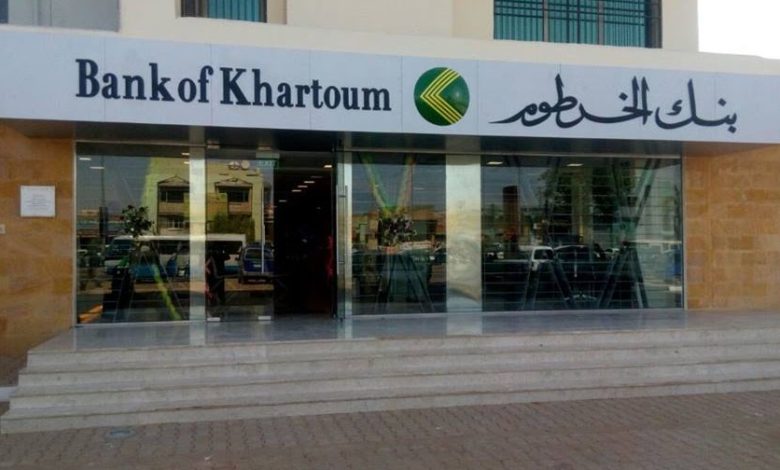
Recent financial measures taken by the Bank of Khartoum — involving deductions of varying amounts from depositors’ accounts — have sparked widespread debate in economic circles and among banking customers.
The move prompted bank management and financial experts to clarify the legal and financial basis of the deductions, which were applied suddenly to depositors’ balances.
Bank management explained that the deductions are linked to the nature of the Islamic banking system adopted by the bank, which is based on the principle of “profit and loss sharing.”
Under this system, customers are considered partners in the financial outcomes of the bank’s investment operations, which may require them to bear part of the losses amid the country’s current economic challenges.
However, banking practices indicate that such measures should technically apply only to investment accounts, in accordance with contracts signed between both parties.
Current accounts and regular savings accounts, meanwhile, should remain unaffected by such deductions, as they are considered deposits held in trust and not subject to investment risk unless otherwise specified in the account terms.
For its part, the bank’s management stressed its full commitment to clarifying the mechanisms behind these deductions for all affected customers.
The bank added that the step aims to preserve institutional trust and ensure stability in banking transactions amid current economic changes following years of positive returns for depositors.