Intensified Drone Strikes by the Army Target Supplies Headed to Yabus
Report – Sudan Events
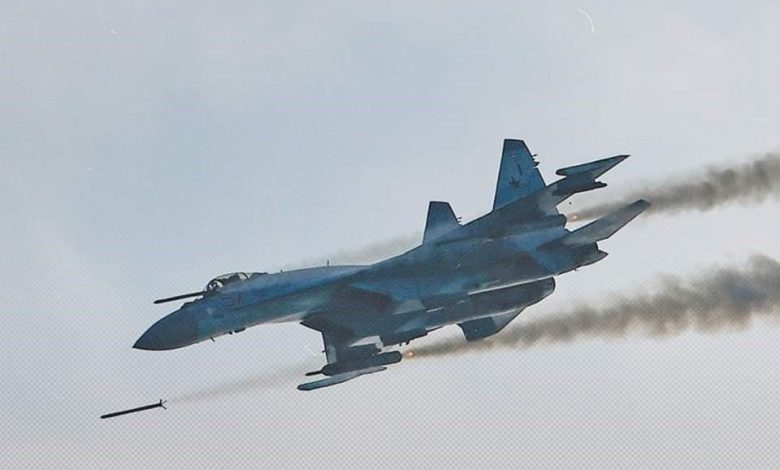
The Sudanese army this week renewed intensive drone strikes on positions linked to rebel commander Joseph Toka in the Yabus area of Blue Nile State, as part of ongoing military operations in the region. The area has seen a continued presence of forces affiliated with the SPLM–North faction led by Toka.
According to military sources, army drones struck supply convoys reportedly moving from Ethiopia toward a camp in Yabus. The strikes are said to have resulted in casualties, destroyed vehicles, and damaged weapons shipments allegedly delivered through Ethiopian territory to areas under Toka’s control. The military campaign appears aimed at preventing what officials describe as efforts to expand hostilities toward eastern Sudan via the Sudanese–Ethiopian border, particularly in southern Blue Nile.
A recent report by the regional monitoring platform “IGAD Watch” claimed that the Rapid Support Forces (RSF) militia is seeking to open a new front in eastern Sudan, specifically around Ethiopia’s Benishangul-Gumuz region. Ethiopia has acknowledged the existence of military camps in that area but maintains they belong to its national army and denies any connection to the RSF.
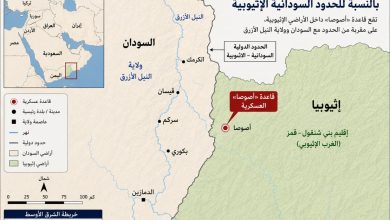
However, media reports have alleged ongoing arms movements from within Ethiopia to the Yabus airstrip area, which is controlled by forces loyal to Joseph Toka. “IGAD Watch” said satellite imagery it collected showed cargo trucks traveling from Ethiopia to Yabus, where an airstrip has reportedly been constructed. The platform suggested the strip may be used to launch drones toward other areas and that some of the drones that recently targeted Sudanese military positions and urban infrastructure could have originated there.
The report further noted that Ethiopia’s Assosa Airport lies approximately 30 kilometers from the Yabus airstrip and is undergoing what it described as unusual expansion and construction works, including hangars and runway upgrades. “IGAD Watch” argued that these developments appear to exceed civilian needs and may indicate a potential military role.
Tracking of flight activity reportedly showed the recent arrival of three cargo aircraft larger than those typically received at the airport. According to the platform, closer inspection indicated the planes were capable of transporting vehicles and military equipment. It also claimed that Assosa Airport had previously received Mohajer-6, TB2, and Bayraktar drones during Ethiopia’s internal conflict.
The report highlighted the existence of a 35-kilometer road linking Yabus and Assosa, describing it as a short and accessible route for the movement of weapons, personnel, combat vehicles, and drones. It further alleged that Ethiopia has established a militia camp in the region capable of accommodating thousands of fighters, though it has not yet been officially inaugurated. Weapons shipments are said to reach Assosa via the ports of Berbera in Somaliland and Mombasa in Kenya.
Dr. Ahmed Saad, a specialist in Horn of Africa affairs, expressed skepticism about direct Ethiopian involvement in the Sudanese conflict. “A direct intervention would undermine Ethiopia’s own security and create significant complications that decision-makers in Addis Ababa fully understand,” he said. “Ethiopia cannot afford open hostility with Sudan or the transfer of conflict onto its territory, particularly given its need for Sudan’s support or neutrality on multiple regional issues.”
However, Saad did not dismiss the possibility that Ethiopia might provide safe havens to the RSF. “Historically, the Ethiopian state has supported and provided logistical assistance to Sudanese opposition movements,” he noted. “At the same time, it is widely known that Abdelaziz al-Hilu receives significant backing from South Sudan. If arms shipments were intended for him, they could be routed through airports in South Sudan that are already supportive of his movement.”
Saad added that if the objective is to shift the battlefield to eastern Sudan, then Assosa and Yabus could indeed serve as operational hubs rather than mere transit points. “But such a move would primarily harm Ethiopia itself,” he argued, pointing out that the Grand Ethiopian Renaissance Dam (GERD) is located in Benishangul-Gumuz. “Any escalation there could make the dam vulnerable to air or drone strikes. Ethiopian leaders are aware of these risks, as well as the evolving relationship between Cairo and Khartoum and recent Egyptian references to joint defense agreements.”
He also noted the recent visit of Eritrean President Isaias Afwerki to Sudan as a significant geopolitical signal. “All these developments suggest Ethiopia will likely act with caution rather than overtly escalate its involvement,” Saad concluded.
In contrast, military analyst Yasser Saad al-Din argued that Ethiopia’s alleged complicity and interest in prolonging the war are evident. He called on the Sudanese government and army to expel al-Hilu’s forces from Yabus, dismantle any operational platforms in the area, and prevent foreign interference before the situation deteriorates further.
“Historically, Ethiopia has served as a staging ground affecting Sudan’s national security,” he said. “It has supported armed movements fighting the Sudanese army and continues to believe that backing such groups enhances its leverage over Sudanese territory and influence along the border.”
Al-Din concluded that Ethiopia may attempt to support militia efforts to open a new front in eastern Sudan, potentially threatening civilian populations, cities, and key infrastructure, including the country’s main port.