Voluntary Return… The Battle to Reclaim the Homeland
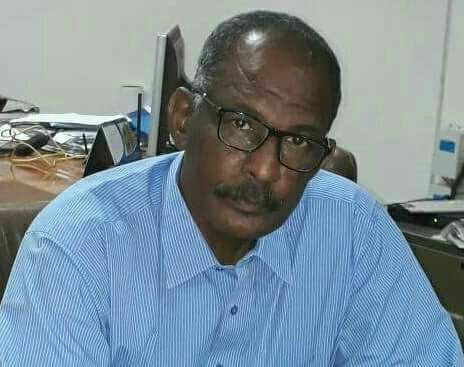
Mohamed Wadaa
The return of citizens to their homeland and the resumption of normal life is a battle no less fierce than military confrontation itself. There are those who oppose it, those who spread fear and rumors, and those driven by ulterior motives. There are also hostile regional and international agendas being carried out through the brutal machinery of the militia. For this reason, voluntary return represents a victory for the will of the people and a rejection of the new settlement project in Sudan that seeks to empty the country of its inhabitants. It is a declaration of the defeat of the project of chaos and occupation.
The continuation of this return movement with even greater intensity than before—especially after the recent Emirati-Zionist-Ethiopian aggression—stands as clear evidence that the project of aggression is breathing its last breaths, and that these attacks will only make the Sudanese people more steadfast and determined to reclaim their homeland.
The ongoing voluntary return of Sudanese citizens following the bombing of Khartoum International Airport carries a number of profound political, social, and psychological implications. It sends a message of confidence in the resilience of the state and society. Despite the targeting of vital facilities, the message reflects that many Sudanese now believe remaining outside the country is no safer or more stable than returning home, and that society is capable of adapting and gradually restoring normal life. It also demonstrates that fulfilling the requirements of security and public services cannot be achieved without people returning to their homes.
The targeting of airports and infrastructure aims to spread fear and undermine the sense that the state is returning to normalcy. However, the increasing pace of voluntary return indicates that the impact of intimidation is beginning to fade, and that the war has failed to break the will of the people. The psychological shift is now leaning toward reclaiming the homeland rather than fleeing from it.
In prolonged wars, there comes a turning point at which the longing for stability and belonging becomes stronger than fear. In this context, return is not merely a demographic movement; it is an expression of a collective desire to restore normal life and national dignity. This is especially true as many Sudanese abroad have begun facing economic, social, and legal pressures in host countries, making the option of return more acceptable—particularly with the emergence of community initiatives and organizations supporting return operations.
Each large wave of return is politically interpreted as a sign that the idea of Sudan collapsing or being emptied of its population has failed, and that there remains a strong social force that believes in the possibility of recovery and reconstruction.
Moreover, the success of initiatives such as the Hope Committee for Voluntary Return in organizing the return of citizens gives civil society an advanced role in managing the crisis and creates a national model based on solidarity rather than total dependence on the government or subordination to the decisions of international organizations.
There can be no genuine reconstruction without citizens returning to their homes. The return of families, traders, professionals, and students means the revival of the economy, services, and education. Voluntary return after the attack on Khartoum Airport is not merely a movement of people; it is a popular declaration that Sudan remains capable of life, and that the will of its people is stronger than attempts to break the state and society.