Poverty Rate Exceeds 82%: What Should We Do?
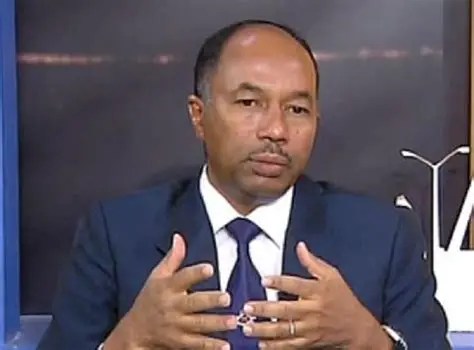
Dr. Adel Abdel Aziz Al-Faki
In a published media interview, Mr. Mutasim Ahmed Saleh, Minister of Social Welfare, Social Security and Human Development, stated that the proportion of Sudan’s population living below the poverty line has exceeded 82%. This figure is staggering and alarming. It means that fewer than 20% of Sudan’s population are able to support themselves and obtain the minimum necessities in terms of goods and services. It also means that more than 80% of the population need assistance or support.
It is true that the minister did not identify the source of his information or clarify whether an actual survey had been conducted or whether the figure was an estimate. However, given that he is a minister responsible for and overseeing important institutions such as the Zakat Chamber, the pension and social insurance institutions, and the Savings Bank, there is little doubt that he obtained his information from these respected institutions. There is no reason to question his figures, particularly since observations and firsthand accounts of people’s living conditions support the numbers he cited.
Clearly, poor management and war are responsible for this alarming rate. By poor management, I mean the confusion, miscalculations and flawed economic policymaking that characterized the management of the economy between 2019 and the outbreak of war.
An official survey released by the Central Bureau of Statistics in 2016 indicated that 36% of the total population lived below the poverty line, with variations across Sudan’s different states. This figure rose to approximately 60%, according to International Monetary Fund estimates for 2022. This increase was a direct consequence of the decline in gross domestic product, which, according to the Fund’s statistics, fell from $48.9 billion in 2017 to $33.5 billion in 2022, the year before the war began.
Regardless of the official statistics, which generally do not account for the informal economy that constitutes a substantial share of Sudan’s economic activity, we believe that we should not simply wait for improvements in macroeconomic indicators before taking action to alleviate poverty.
In my view, the central question is how we can reduce poverty and unemployment without waiting for macroeconomic remedies, which are inherently slow to take effect. This is particularly important because people are currently suffering from shortages of goods and services, as well as exorbitant price increases that are completely disproportionate to their low incomes—or, in many cases, their complete lack of income.
I urge young people to engage in small and micro-enterprises that generate quick returns, enabling them to support themselves and their families and escape poverty.
Small and micro-enterprises in the agricultural sector include raising goats and sheep, such as breeding Saanen goats for milk production and rapid reproduction, or fattening calves for sale.
Other opportunities include the following:
Home gardening and nurseries: Growing ornamental plants and herbs and selling them to shops or online.
Greenhouse vegetable farming: Using small plots of land to produce vegetables that are in daily demand, such as tomatoes and leafy greens.
Simple manufacturing and processing industries are among the most profitable areas in Sudan, thanks to the availability of local raw materials and strong demand for domestically manufactured products.
Some of the most promising projects in this sector include:
Soap and detergent production: Establishing a home-based business or a small workshop to manufacture different types of soap and sanitizers, particularly given that many large factories have ceased operations.
Leather goods manufacturing: Making use of the country’s livestock resources to produce high-quality shoes, bags and belts.
Oil presses and milling facilities: Establishing small units for pressing vegetable oils or grinding grains and spices.
Dairy product manufacturing: Producing yogurt, cheese and ghee at home or in small processing facilities.
Government policies that could support these enterprises include providing seeds and goat breeds through local agricultural departments, in cooperation with international organizations such as the Food and Agriculture Organization of the United Nations (FAO), the International Fund for Agricultural Development (IFAD), and the African Development Fund.
Another measure would be to allocate small plots of land to active organizations or direct local education departments to designate areas within public schools for cooperative associations established by residents living near those schools.
Additional government support policies should include allocating sites for discounted-price markets where locally produced household goods and products made by cooperative associations can be sold directly to the public without taxes or levies.
These policies should also include establishing food security companies owned by state-level cooperative federations. Such companies should be granted licenses to import food commodities and provided with banking facilities. The imported goods could then be distributed through an improved quota-based system using electronic applications.
The Central Bank of Sudan should encourage banks and microfinance institutions to provide funding for youth-led enterprises. Young people seeking financing should prepare a feasibility study for their proposed projects. They can prepare these studies themselves or seek assistance from a specialist. It is worth noting that some microfinance institutions provide feasibility studies to young applicants free of charge after verifying their commitment and technical knowledge.
Banks and microfinance institutions require collateral in return for financing. Young people can provide several forms of security, including a group guarantee or a guarantee from the cooperative association to which they belong, a security cheque provided by a parent or another family member, or a pledge of the project’s equipment as collateral in favor of the bank or institution. Other relatively simple forms of collateral are also available.
We urge young people to take the initiative. We also call on banks and microfinance institutions to make financing more accessible to them. Furthermore, we call on the Federal Ministry of Youth and Sports and the ministries in the states to establish specialized departments tasked with helping young people set up their enterprises and secure financing for them.
In this way, we can reduce poverty and unemployment.
May God grant us success.