Digital Psychology: From Shaping Individual Awareness to Influencing Mass Behaviour

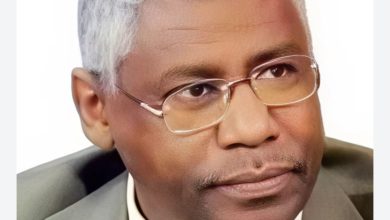
Tariq Al-Kindi Yousif
Digital technology has become an essential part of contemporary human life. It is no longer merely a means of communication and information exchange; rather, it has evolved into an influential environment that shapes awareness, directs thinking and behaviour, and helps form attitudes and orientations. This is where the importance of digital psychology emerges as a field that helps us understand the relationship between humans and technology and analyse the impact of digital platforms, social media, and algorithms on individual personality and awareness, as well as the implications of these influences for society.
Today, individuals do not simply receive information spontaneously. Instead, they are exposed to a continuous flow of content that algorithms help select and organise according to their interests and interactions. This can reinforce existing beliefs, direct their attention, and influence their decisions and positions. Social comparison, along with the pursuit of engagement and likes, has also become a factor affecting human relationships, self-esteem, and behavioural patterns.
The influence of the digital world is not confined to individuals; it extends to groups and entire societies. Digital platforms contribute to shaping public opinion, accelerating the spread of ideas and rumours, and amplifying emotions and attitudes in ways that may lead to polarisation, misinformation, and shifts in societal positions. Understanding the psychology of digital crowds has therefore become essential for anyone entrusted with leadership, influence, or guiding society.
This issue is particularly important in Sudan, given the profound transformations that the war has brought about in the life of society. The consequences have extended beyond destruction, displacement, loss of livelihoods, and the disruption of essential services to include changes in patterns of social relationships, family roles, communication methods, and sources of information, as well as the level of trust placed in them. Displacement and asylum have also imposed a new reality on both host and displaced communities, generating diverse psychological and social needs and affecting family ties and networks of mutual support and solidarity.
Population movements have brought about extensive social transformations as large numbers of citizens have relocated between different states and regions. This has reshaped the demographic landscape and created new challenges for both host and incoming communities. Amid these transformations, issues of racism, regionalism, and rhetoric based on tribal or geographical affiliations have become increasingly prominent. Such developments may widen trust gaps and weaken national bonds unless addressed through awareness, dialogue, and the promotion of citizenship values.
Digitalisation has contributed to expanding the reach and influence of these phenomena. Digital platforms have become spaces where stereotypes, preconceived judgements, and hate speech circulate. They can also turn into instruments for reproducing and reinforcing social divisions through targeted content and algorithms that increase users’ exposure to material reflecting their existing beliefs. Conversely, these platforms offer significant opportunities for interaction and communication between different communities, the exchange of human experiences, and the overcoming of geographical and social barriers.
This highlights the importance of digital psychology in understanding how population movements affect relationships, identity, and belonging; monitoring the impact of digital discourse on social cohesion; and working to build an awareness that respects diversity, rejects discrimination, and makes technology a means of strengthening national unity rather than deepening divisions.
Amid these transformations, digital platforms have become a means of staying in touch with family members, exchanging news, seeking assistance, and maintaining relationships despite geographical distances. At the same time, however, they have become a vast arena for the circulation of unverified news, hate speech, and misleading content, potentially deepening divisions and undermining trust among different components of society.
This makes it necessary to take into account the changes brought about by the war when analysing digital behaviour, understanding public opinion, and designing media messages and community initiatives. It is equally important to promote information verification, critical thinking, and responsible content sharing.
These challenges are further compounded by the rapid advancement of artificial intelligence and its ability to generate texts, images, audio recordings, and videos. Consequently, distinguishing between authentic and artificially generated content has become an essential skill for protecting public awareness against misinformation. This also increases the importance of developing digital literacy and strengthening people’s ability to engage critically and responsibly with circulating content.
Against this backdrop, digital psychology assumes particular importance in preparing Sudan’s future leaders. Leadership is no longer limited to possessing administrative and intellectual skills; it increasingly requires a profound understanding of the psychological and social transformations that have taken place within society, as well as the ability to interpret public opinion trends, engage consciously with digital platforms, and use them for communication and positive influence.
A leader with knowledge of digital psychology is better equipped to understand the needs of individuals, young people, and communities affected by the war; confront hate speech, racism, and regionalism; promote a culture of dialogue and acceptance of others; and consolidate the values of citizenship and national belonging.
This understanding also contributes to developing leaders capable of directing digital content towards disseminating knowledge, correcting misinformation, countering rumours, encouraging community initiatives, and promoting participation in development and reconstruction efforts.
Such efforts have a positive impact on society by raising awareness and critical thinking, strengthening trust among its various components, rebuilding social bonds, and expanding opportunities for cooperation among different individuals and groups. Preparing future leaders, therefore, does not simply mean equipping them to use technology; it means empowering them to understand human nature and harness digital knowledge in the service of stability, social cohesion, and sustainable development.
Leadership in the future will not be based solely on possessing technological tools, but rather on understanding the human beings who use them and recognising how their awareness is shaped and their decisions influenced. A truly conscious leader is one who can guide awareness before directing behaviour, build minds before mobilising crowds, and transform digital knowledge into a positive force that helps repair the social fabric and build a society that is more aware, tolerant, and capable of shaping its own future.