The Autumn of Decisiveness
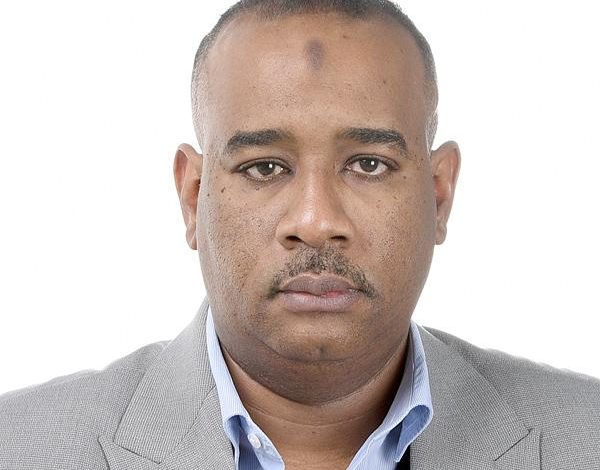
By Muhannad Awad Mahmoud
Sudan enters this year’s rainy season amid growing expectations that the battlefield will witness decisive developments in the military operations between the Sudanese Armed Forces and their allied forces on one side, and the terrorist Rapid Support Forces (RSF) militia on the other. The rainy season is a critical factor due to the nature of the terrain, supply lines, and vehicle movement. Heavy rains cause valleys to flood and obstruct movement along rugged roads, thereby limiting the militia’s ability to maneuver in open terrain and forcing it to rely on routes through towns, villages, and main roads.
Last year, during the rainy season, the RSF adopted a strategy of expanding eastward and managed to penetrate areas such as Sennar, Sinja, Dinder, and parts of southern Blue Nile State. It is believed that this was an attempt to establish an alternative supply route through Ethiopian territory, circumventing the logistical difficulties posed by the traditional supply lines from western Sudan via the Chadian border—routes that are typically heavily affected by rainfall and natural road closures.
However, the plan did not unfold as intended. Sudanese diplomacy played a significant role in curbing any external support, notably during a period that saw Ethiopian Prime Minister Abiy Ahmed visit Port Sudan and meet with Sudanese leadership. These diplomatic moves helped reinforce Ethiopia’s commitment not to allow its territory to be used as a conduit for military supplies, thereby narrowing the militia’s options and undermining its expansionist project in the east.
This diplomatic success was coupled with precise and sustained airstrikes by the Sudanese Air Force and ground operations targeting RSF movements in those areas. These efforts weakened the militia’s ability to entrench itself and secure permanent supply routes. In fact, all those areas were liberated—along with large swathes of Gezira and Khartoum states and parts of northern White Nile State.
Today, with the onset of a new rainy season, the Sudanese Armed Forces are expected to be in a stronger position to impose a new reality on the battlefield. This is especially due to the enhanced capabilities of the Sudanese Air Force, which now holds the upper hand in monitoring and neutralizing hostile movements forced to traverse exposed routes due to the inaccessibility of flooded valleys and mountainous paths. Additionally, real-time intelligence from allied ground forces is likely to further bolster operations, providing visual reports that improve the accuracy of airstrikes and accelerate response times to shifting battlefield conditions.
The El Fasher front also takes on heightened importance during this period. There is a strong hope that this rainy season will mark a decisive chapter in breaking the months-long siege on the city—an outcome that would restore strategic initiative and tighten the noose on the RSF militia, both in the far west and in what remains of the Greater Kordofan region.
Amid these developments, some political voices are once again calling for an immediate end to the war, yet without offering a clear vision or viable national alternative. Leading the chorus is the Forces of Freedom and Change (FFC), which continues to issue vague calls for a ceasefire without presenting a mechanism or guarantees for disarming the militia or resolving the state of rebellion. In contrast, the Sudanese government remains committed to negotiations under clear conditions that preserve the unity and security of the nation. It continues to affirm that peace cannot be achieved without the complete defeat of the rebellion or the surrender of its leaders and remaining members.
In light of this, this article issues a sincere appeal to all tribal leaders—particularly from the Misseriya, Mahameed, Rizeigat, Beni Hussein, and Mahariya communities, among others whose sons have joined the ranks of the terrorist militia—to urge their children to immediately withdraw from the rebellion and surrender to the Sudanese Armed Forces, in order to save their lives and protect Sudan’s social fabric from destruction and fragmentation.
Thus, this “Autumn of Decisiveness” stands as a test of the collective will of the state and society—between skies watched by the eyes of aircraft and land defended by the feet of soldiers and loyal sons of the tribes—awaiting the day this war ends not with empty slogans, but through a decisive victory that restores the state’s authority and brings peace back to the land.
Originally published in Al-Muhaqqiq