The Salha Massacre: A Stark Testament to Civilians as the True Fuel of Sudan’s War
Sudan Events – Agencies
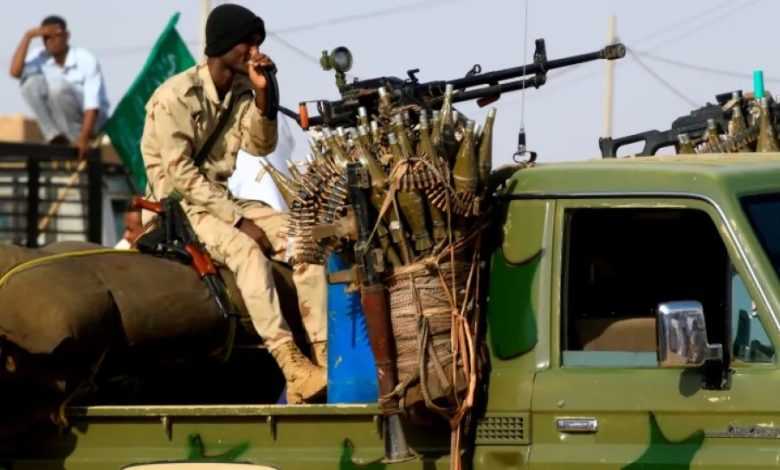
In a country torn by war since April 2023, scenes of bloodshed and devastation have become tragically familiar. But what transpired in the Salha neighborhood, south of the capital Khartoum, at the end of that month, surpassed the usual brutality and became a stark symbol of how recklessly the warring factions disregard civilian lives.
The Salha convoy massacre, in which dozens of civilians—women, children, and men—were killed, was not a random incident. It was a bloody chapter in a war narrative that has shattered both stones and souls alike.
The Beginning of the Tragedy: “We Killed Your People”
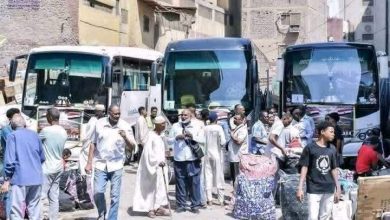
On one of April’s blood-soaked days, a convoy of 67 civilians—most of them from a single extended family—was attempting to flee the besieged Khartoum through the Salha area. At a checkpoint controlled by the Rapid Support Forces (RSF), they were stopped. Survivor Siraj Ali recounted the pivotal moment:
“They ordered us out. They shot my brother right in front of me. Then gunfire erupted from behind… I watched my relatives fall one after another. Afterward, the guards came back and said: ‘We killed your people.’”
Siraj lost 16 members of his family, including two sisters who were beaten to death, and a third who disappeared after being taken by soldiers to an unknown location. He couldn’t bury them all—the bodies were scattered and burned.
“It was a civilian convoy, but it ended as a convoy of corpses,” said Siraj as he gathered the remains of his loved ones from the roadside to bury them in a mass grave.
Systematic and Shocking Violations
This was no spontaneous outburst or individual decision. It appears to have been deliberate and premeditated. Eyewitnesses spoke of men being tortured, women mocked, and detainees drugged. One mother said her 8-year-old son survived after escaping through a hole in a wall—he had just seen his grandfather killed in cold blood.
She said: “They wanted the children to witness the horror up close. One of them told me: ‘We’re just having fun. We want to see how you cry.’”
Victims were forced to kneel, lined up, and then shot. Bodies were left in the streets, covered in blood and dust. Many still held their phones in their hands, as if trying to call for help or document their final moments.
Deepening Misery: Hunger and Slow Death
The massacre is but a drop in the ocean of ongoing suffering. Residents of Salha, like those in Khartoum and Omdurman, now face the complete collapse of healthcare and basic services. No food. No medicine. No electricity. Cholera is spreading. Malaria is claiming lives. People are eating tree leaves. Some turn to charcoal to stave off hunger.
A taxi driver said: “We transport the sick in broken-down vehicles. No ambulances. We cut electricity to share fuel between neighborhoods. This isn’t life… it’s slow extinction.”
RSF: Denial in Public, Admission in Secret
After news of the massacre spread, RSF spokespersons rushed to deny involvement, claiming that the perpetrators were “lone wolves” not representative of the leadership. But leaked videos showed a woman in military uniform clearly stating: “I’m from the RSF… we killed them and buried them.”
In another clip, a group of women are seen laughing next to mutilated bodies, mocking the victims and justifying the massacre as a form of “deterrence.”
One survivor said: “They’re not ashamed. They don’t hide their crime—they boast about it. What kind of system allows them to get away with this?”
A Massacre Without Justice… and International Silence
Despite documented testimonies, photos, and videos, no official investigation has been opened. No court. No inquiry committee. No accountability. The international community merely expresses “concern” and urges “restraint,” while militias continue to harvest civilian lives.
Siraj says: “I still dream of the sound of gunfire. We have no power—only these testimonies. If the world stays silent, what happened to us will happen again, somewhere else.”
In Conclusion: Is There Hope?
With the humanitarian crisis deepening and violations ongoing, the road to justice in Sudan remains long. In the absence of genuine political will, hope rests in the voices of survivors and a possible global awakening that may one day bring the perpetrators to justice—and restore dignity to the victims.