Finance Minister Pledges Efforts to Combat Smuggling
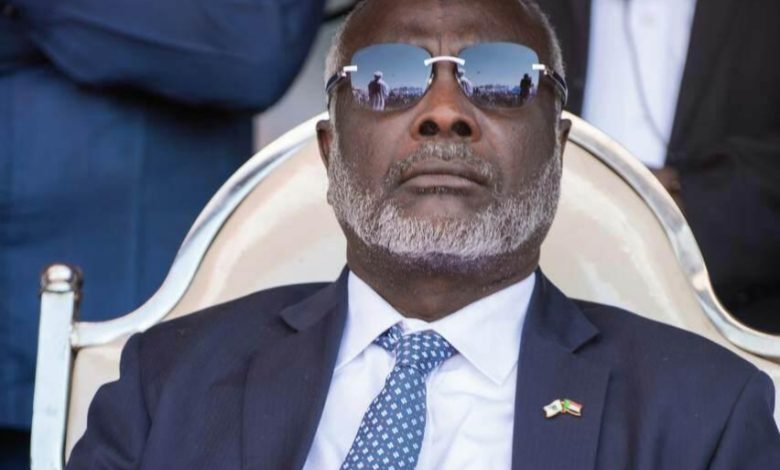
Minister of Finance Dr. Jibril Ibrahim pledged to provide the necessary resources to modernize the customs infrastructure and combat smuggling in order to protect the economy, citizens, and society from its negative impacts. He emphasized the important role of customs in fulfilling state obligations and ensuring financial discipline.
During a meeting on Sunday with the Director General of Customs and senior department heads, with the participation of the Ministry’s Undersecretary, the Minister promised to update infrastructure by introducing digital tracking, inspection, and scanning systems, as well as network integration at border crossings. He also stressed the use of technology to combat both maritime and land smuggling, along with revising policies to ensure effective solutions.
The Minister noted that customs exemptions are under the authority of the Ministry of Finance and affirmed the Ministry’s commitment to covering customs fees for strategic goods consumed by citizens, as these goods are not exempt.
Undersecretary Abdullah Ibrahim instructed coordination between the Ministry’s General Directorate of Information Technology and its customs counterpart to implement digital transformation directives and keep pace with daily exchange rate adjustments. He also stressed the importance of activating the joint committee’s work to monitor crossings and combat smuggling.
Lieutenant General Police Salah Ahmed Ibrahim, Director General of the Customs Forces, presented a detailed report on the performance plan implementation for the first half of the current year. He highlighted efforts to achieve regional excellence and move toward international standards in financial control, compliance, and capacity building. He also outlined key challenges, particularly the impact of war on infrastructure and smuggling activities.
It was confirmed that the so-called “customs dollar” has not existed since the 2021 budget. Since then, customs duties have been based on the indicative exchange rate set by the Central Bank of Sudan, which is used to assess the tax base and collect tariffs. Prices rise or fall according to this indicative rate.