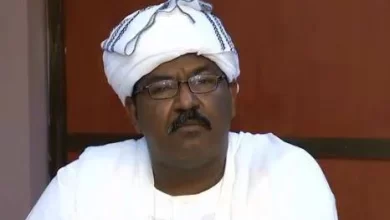
On the Diplomatic-Political Theater of War
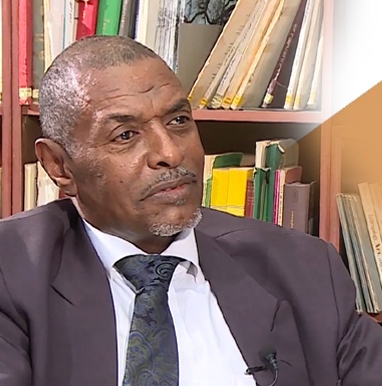
By Ambassador Dr. Ibrahim Al-Kabbashi
No war in modern history—comparable in scale to the current war in Sudan—has ever unfolded solely on a single front. There are always two distinct arenas:
1. A temporary battlefield, whose duration may vary.
2. A broader political, economic, and ideological front—deeper, longer-lasting, and with a more enduring impact on the lives of nations.
It is for the objectives of the latter that armies are mobilized and wars are waged. Carl von Clausewitz was right when he declared: “War is the continuation of politics by other means.”
Sudan’s people and leadership must remain ever mindful of this. The political-diplomatic struggle is as vital as the one on the battlefield. It is perhaps more enduring—and potentially more decisive.
Prior to April 15, 2023, the enemy marshaled all resources at its disposal: troops and mercenaries, training, funding, weaponry, regional and international diplomatic support, and the purchasing of loyalties from those willing to sell them. Today, that same enemy continues its mobilization using the same tools and tactics—this time to shape global and regional opinions in its favor, aiming to deny Sudan a definitive military victory and full national sovereignty.
The ultimate strategic aim of the so-called “Quartet Alliance” that launched this war on Sudan has been made crystal clear through both words and actions: to dismantle the Sudanese state, erase it from the world map, and partition its legacy among four major allied blocs.
The Four Blocs of the War on Sudan
1. The First Bloc:
A global coalition led by the UK, US, France, Israel, and the UAE. The UAE, either by assignment or by self-appointment, assumed a central leadership role—financing, coordinating, and directing operations. The blueprint for Sudan’s dismantlement was drafted years ago in the intelligence agencies and think tanks of these nations. When the fall of the Bashir regime came, it marked the removal of the final obstacle to executing that plan. The involvement of ambassadors from these countries in Sudanese domestic affairs—often with flagrant disregard for diplomatic norms—amounted to a violation of Sudan’s sovereignty unparalleled in modern international relations.
2. The Second Bloc:
A regional coalition composed of Chad, certain Sahel elites, Central African Republic, Kenya, Uganda, Ethiopia, Libya’s Haftar, and South Sudan—along with key figures in the African Union and IGAD. These actors were incentivized with massive political bribes, making regional endorsement for Sudan’s downfall a purchasable commodity.
3. The Third Bloc:
An internal Sudanese alliance formed under the auspices of the first two blocs. Comprising political parties, individuals, and movements aligned with foreign agendas, this bloc was designed to present a local front for the implementation of external plans. Their mandate: to dismantle the Sudanese military and replace Sudan with a new entity, legitimized internationally and regionally in the wake of rapid military collapse.
4. The Fourth Bloc:
The Rapid Support Forces (RSF). Tasked with executing the strategy on the ground—dismantling the national army, targeting its leadership, and paving the way for Sudan’s disintegration. The RSF leadership was promised vast riches and recognition, the creation of a new kingdom built on the ruins of Sudan. Hemeti, its commander, was seduced with grand visions—reminiscent of the biblical temptation in Eden.
The parallel drawn here is deliberate and disturbing: just as Zionist militias in the 1940s (Haganah, Irgun) forcibly seized Palestine with British support, the RSF today, backed by similar foreign sponsors, is attempting to seize Sudan.
A War of Elimination and Replacement
The strategic intent of the war is not merely military defeat. It is demographic engineering—a settler-colonial, exterminationist project aimed at uprooting Sudanese from their land and replacing them with others. This tactic, long employed by colonial powers, involves total elimination or genocide when necessary.
The actions of the RSF in West Darfur, White Nile, and other regions reflect this agenda: mass killings, rapes, forced displacements, and cultural erasure. The international response? Silence—from the very powers orchestrating this alliance.
Geneva Talks: A Dangerous Diplomatic Trap
The Geneva negotiations, proposed by the U.S. and UAE, are viewed by many as a diplomatic ambush. If General Abdel Fattah al-Burhan attends in his capacity as army chief (rather than head of state), it would:
Strip him of his constitutional status.
Reverse the dissolution of the RSF.
Recognize the RSF as a legitimate military faction.
Pave the way for a U.N.-backed ceasefire that solidifies RSF control over occupied territory.
Impose political parity between a national army and a mercenary force accused of war crimes.
This would effectively reintroduce the RSF’s leadership to power, revive their finances, and suppress any possibility of justice for the victims. It’s an eerie echo of previous Western maneuvers: negotiations shaped not by justice, but by coercive diplomacy aimed at legitimizing insurgents they’ve invested in—such as John Garang in the 1980s and 90s.
Conclusion: Strategic Clarity Is Needed
This war is not a spontaneous civil conflict. It is the culmination of a meticulously orchestrated plan by a four-bloc alliance seeking to dismantle Sudan. Each bloc has its role—military, political, financial, diplomatic—and together they form a coherent strategy of conquest and reconstitution.
Sudanese leadership and people must confront three fundamental questions:
1. Who is the true enemy?
The answer lies in the alliance’s composition and its actions—not just those who pull the trigger, but those who fund, arm, and shield the killers diplomatically.
2. What are their real goals?
Not peace, not reform—but full-spectrum control of Sudan’s land, resources, and sovereignty through elimination and replacement.
3. Are we seeing a shift in their strategy?
No. Despite tactical adjustments, their objectives remain intact. The Geneva talks are not about peace—they are about submission and surrender.
Sudan must resist being drawn into a false diplomatic equivalency. The fate of the nation hangs not only on the battlefield, but in the ability to expose and counter the coercive strategies behind the scenes.