The Magic Formula for the Sudanese Situation
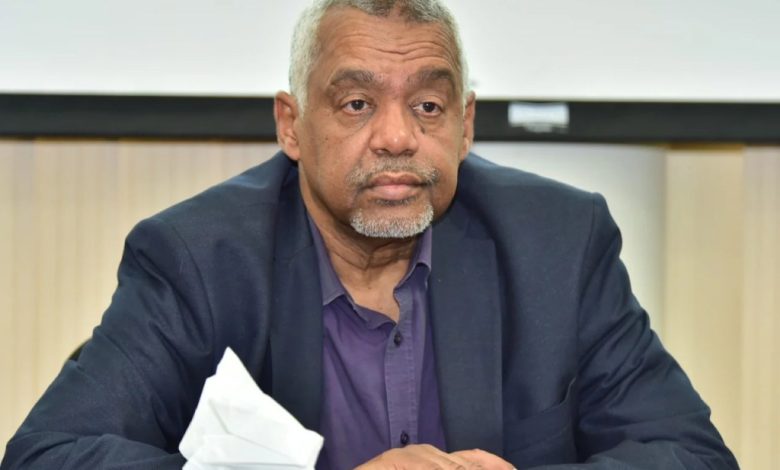
By Abdelwahab El-Affendi
My meetings with Western and African diplomats and officials have almost become monotonous, so often have I repeated a point of the utmost simplicity during our recurring discussions about Sudan—and so rarely have I received useful, let alone respectable, answers. In most cases, I received no answer at all. If the diplomat in question was of an ordinary rank, they would nod, jot down notes, or ask a few questions. If they were senior, the answers they gave were ones I would be embarrassed to repeat—often linked to the sensitivities of a certain regional state they felt compelled to placate because of its support in the Gaza war.
The point I keep stressing requires no miracle, nor does it break with established policy. It aligns entirely with the declared positions of these countries. It boils down to a simple request: apply pressure on the Rapid Support Forces (RSF) militia to halt the ceaseless atrocities it commits against civilians—atrocities that include the destruction of public and private property, obstruction of humanitarian aid, and the systematic dismantling of the foundations of life in the country.
I often say to my interlocutor—whether in my office, their hotel, or at the ambassador’s residence—“Your Excellency, isn’t it absurd to demand negotiations with an organization that cannot even stop committing violations that are, at the very least, war crimes?” The RSF kills without cause; abducts children, girls, and women; and subjects them to the most heinous forms of rape and sexual abuse. It destroys water stations and sources, razes farms, and ravages universities, schools, and hospitals. It loots and wrecks pharmacies and markets, sabotages power plants, and strips transmission infrastructure of wires, poles, and transformers.
My interlocutor will nod patiently, perhaps admitting they are aware of these outrages. I then ask: “Are such crimes not among the gravest offenses in your own laws and in international law? And is their daily, routine commission everywhere the RSF sets foot not the very definition of the most heinous criminality?” Another nod follows, and perhaps a claim that their government has condemned such acts—or even imposed sanctions.
At this point, I stress my central argument: condemnation, even sanctions, are not enough. What is needed is for these states to send a direct message to the RSF that it must immediately and completely halt these crimes as a precondition for being accepted anywhere in the world—let alone as part of the government of any country. I ask them: “Would you tolerate dealing with gangs of this sort in your own countries—whether in Mexico, Colombia, or Haiti?” Inevitably, we reach a moment of silence, followed by vague promises to “do something.” Most leave none the wiser, but some of their governments soon send another emissary—especially when a new catastrophe occurs or a shift in the situation is anticipated—to ask the same questions again.
But Sudanese themselves must take the firmest stand on these matters. What has emboldened the militia and enabled its persistence in its crimes is a faction of Sudanese who feed it with meaningless slogans—like “The State of ’56”—and fantasies that it is fighting for democracy. I will not waste time on the “government” recently announced by the Janjaweed; it is nothing more than a public-relations stunt doomed to fail, just like their earlier “civil administration” of one man in Al-Jazira, which could not even muster statements to whitewash the Janjaweed’s atrocities.
Recently, I wrote on X (Twitter) about those who deny the genocide in Gaza: anyone who thinks there is no genocide or famine there is intellectually bankrupt and unfit for any public responsibility, especially in academia. And anyone who knows the truth but lies about it is morally bankrupt and even less deserving of responsibility. The same applies to the RSF’s apologists—those who claim this rogue militia is engaged in reformist projects in Sudan and that its criminals are the rightful defenders of democracy. If such a person is sincere, they are the most ignorant of the ignorant; if deceitful, they are the vilest of the vile; and some manage to be both.
There is still time, however, for those with a shred of integrity to realize the impossibility of integrating this militia—under its current leadership and criminally tainted ranks—into any part of Sudan’s political process, or indeed any aspect of life in the country. Such a notion will never be accepted by the overwhelming majority of Sudanese, who have suffered the destruction of their homes, livelihoods, and everything of value in their lives. The very suggestion that the RSF could govern Sudan—or even part of it—is the most impossible of impossibilities. Its areas of control in Darfur remain the scene of its worst atrocities: genocide, the destruction of life, and the criminal siege of El-Fasher, which threatens even greater horrors. Anyone cheering the militia in this planned crime bears full moral responsibility for its past and future atrocities.
We return, then, to the starting point: deterring the militia by confronting it with a unified voice, denouncing its crimes as a plague that leaves nothing but ruin. Its actions rival the worst recorded in history—not even in the age of the Mongols or during colonialism did conquerors completely extinguish the means of life in the lands they seized. But the RSF has blocked roads, destroyed offices and workplaces, crippled commerce, industry, and agriculture, and placed those who remain under virtual house arrest—without even sparing them further violations.
In Al-Jazira, for instance, they looted food stores in people’s homes, even barging in during Ramadan to take meals prepared for iftar, claiming they had more right to it—as if abstaining from food took precedence over refraining from killing, looting, and violating the sanctities of the faithful. They seized seeds, farming tools, livestock, and vehicles, making survival impossible. Those who returned to liberated villages found homes overgrown with weeds for lack of animals and people to maintain them.
I have written before of my astonishment at the RSF’s sheer destructiveness even in Darfur, which it considers its heartland. I once watched a tribal leader, in a deadly serious recorded address, scold RSF fighters for looting and fighting among themselves—actions he warned would send them to hell—and advise them instead to loot other areas, like Khartoum. Yet in Nyala and elsewhere, they carried out the same pattern of looting, sexual violence, and arson, even burning and destroying the very buildings they had plundered—especially universities.
We may hope (though not expect) that the RSF’s political and intellectual backers abroad might have the sense to tell its leaders that such conduct destroys communities and renders them unfit for acceptance anywhere, let alone as a path to democracy. But I am not optimistic. Some of their leaders have even publicly praised the militia, claiming it “protected the revolutionaries”—though they know full well the RSF was behind the Khartoum sit-in massacre, and that these same politicians negotiated immunity for it in exchange for turning against the army.
Still, optimism comes from the knowledge that this brutal entity is inherently self-destructive. It will perish, and those who bet on it politically will lose everything. We already see bankrupt political factions spending what remains of their moral and political capital in backing the RSF—once a shame they tried to conceal, now a scandal they flaunt in suicidal fashion.
Given the apparent impossibility of the RSF cleansing itself of its crimes, there is now a growing African and international (and perhaps Arab) consensus that dismantling it is the key to resolving Sudan’s crisis. My hope is that this leads to what I have long called for: a collective message to the militia and its enablers to abandon their ruinous, suicidal course. Their destruction does not trouble me in the slightest.