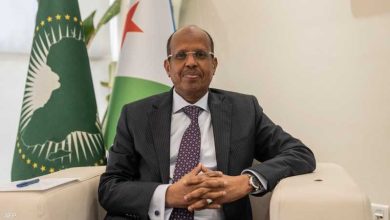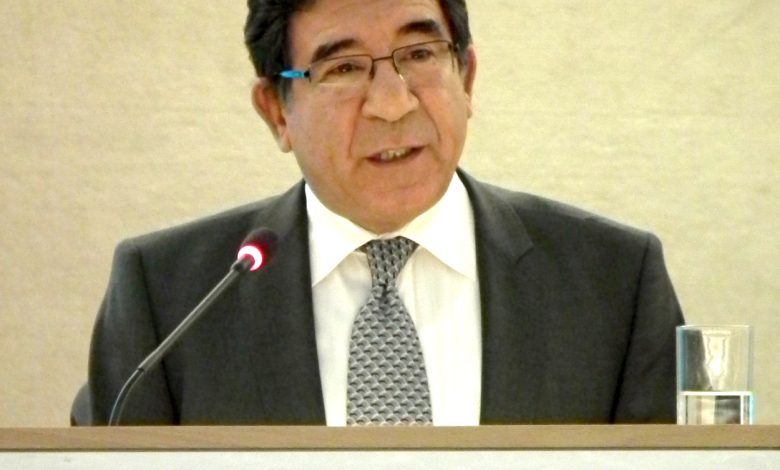
The UN-appointed expert by the High Commissioner for Human Rights, Mr. Radhouane Nouicer, has issued a stark warning about the worsening humanitarian and human rights crisis in Sudan, stating the country is heading toward a “full-blown humanitarian catastrophe” amid escalating armed conflict between the army and the Rapid Support Forces (RSF), and the deepening suffering of civilians—especially women, children, and people with disabilities.
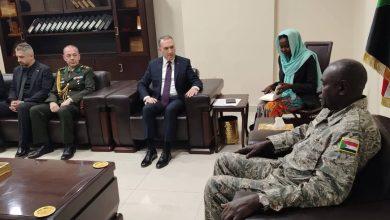
Nouicer’s remarks came at the conclusion of his second visit to Sudan since the war broke out in April 2023. During his five-day stay in Port Sudan, he held wide-ranging meetings with government officials, civil society representatives, humanitarian partners, and the national human rights commission.
Mass Displacement and Harrowing Testimonies
Nouicer visited a site hosting internally displaced persons (IDPs), including women-led families from Khartoum and Darfur, where he received firsthand testimonies of dire living conditions. He reported a severe lack of food, water, and healthcare, all under soaring temperatures and in the absence of humanitarian aid—which has been suspended for months due to funding shortages. He warned that the rainy season could “turn a tragic situation into a catastrophe.”
Systematic Violations and Fears of War Crimes
Describing the escalation of violence in North Darfur and Kordofan as “alarming,” the UN expert accused the RSF of committing grave violations, including the targeting of civilians, indiscriminate destruction of infrastructure, rape, and forced displacement—particularly in El Fasher and the Abu Shouk camp, which has suffered repeated attacks in recent months.
He also cited over 390 documented cases of sexual violence since the conflict began—mostly attributed to the RSF—and warned that the actual number is likely much higher due to stigma and fear of retaliation. Nevertheless, he welcomed the Sudanese authorities’ signing of a cooperation framework with the UN to address such crimes.
Sudanese Army Also Under Scrutiny
Nouicer did not spare the Sudanese Armed Forces from criticism, voicing concern over airstrikes targeting civilian neighborhoods in Darfur and Kordofan. He emphasized the need to uphold international humanitarian law and to strictly distinguish between military and civilian targets.
Impunity and Politically Motivated Prosecutions
The expert raised alarm over reports of “arbitrary detentions and harsh sentences,” including death penalties issued against individuals accused of “collaborating” with the RSF, stressing that these pose a serious threat to justice—especially in the absence of fair trial guarantees. He called for these sentences to be reviewed and for executions to be halted.
In a notable development, Sudan’s Attorney General revealed that over 120,000 cases have been opened, including more than 300 against members of the security forces—with some immunities lifted. Nouicer welcomed the move as a “positive step.”
Crackdown on Civil Society and Stalled Reforms
The report highlighted the shrinking space for civil society, with continued harassment and arrests of human rights defenders. Nouicer warned that this threatens political resolution efforts. He also expressed regret over the suspension of emergency law reform initiatives, urging the activation of the committee assigned to review them.
Adré Border Crossing and Famine Risk
Nouicer called for the Adré border crossing between Chad and Sudan to remain open beyond August 15, describing it as a “lifeline” for humanitarian aid. He voiced deep concern over the obstruction of aid deliveries to hard-hit areas like El Fasher and Kordofan, where reports confirm the presence of famine in some locations—with warnings of its spread.
Deepening Economic Collapse
The statement revealed an unprecedented economic collapse, with the exchange rate surpassing 2,500 Sudanese pounds per US dollar—compared to 500 pounds before the war. Prices of essential goods such as food, fuel, and medicine have skyrocketed, exacerbating the suffering of millions.
A Message to the Government and the International Community
Nouicer praised the appointment of a new civilian Prime Minister and expressed hope for the formation of an inclusive technocratic government that reconnects the people with state institutions. He called for broad consultations that include women and civil society, stressing that “war will not solve the crisis, and peace and dialogue are the only path to saving Sudan.”
He urged the international community to move beyond passive observation and to take swift action to enforce the arms embargo, support local mediation efforts, and ensure unhindered humanitarian access.
Closing Statement: An Urgent Call for Political Resolution
Nouicer concluded his statement with a plea: every passing day “means more victims, further disintegration of society, and traumas that will last for generations.” He reiterated his call for an immediate ceasefire, prioritization of the national interest, and the building of a future grounded in reconciliation and respect for human rights.