New $47 Million Grant Announced for Sudan
Sudan Events – Rehab Abdullah
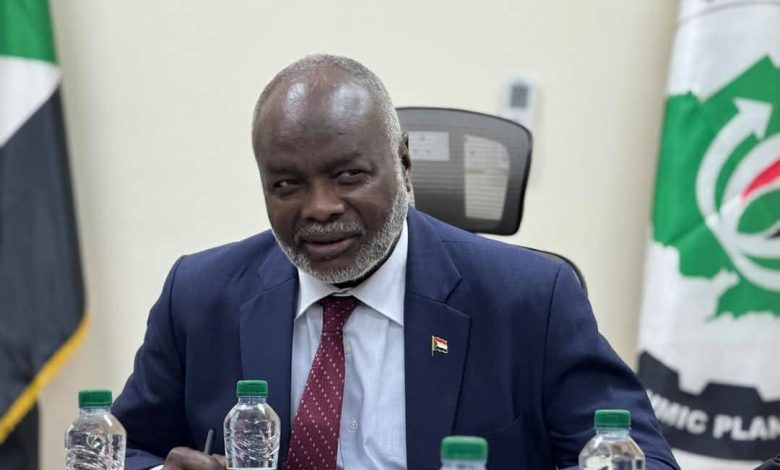
The International Fund for Agricultural Development (IFAD) announced a new $47 million grant for Sudan, contingent on the settlement of the country’s arrears to the fund. Finance Minister Dr. Jibril Ibrahim confirmed that procedures to clear these arrears have begun, enabling Sudan to access new funding for small-scale producers in both crop and livestock sectors across the states.
During a meeting with Dr. Rasha Omar, Country Director of IFAD in Sudan, at the Ministries Complex on Sunday, the minister emphasized the government’s focus on rural resilience and development projects to enhance productivity among small farmers and livestock producers, empower women, and organize them into associations to facilitate direct financing from international institutions and organizations. He praised IFAD’s continued support in Sudan since the 1970s.
The Ministry’s Planning Undersecretary, Mohamed Bashar, stressed the importance of sustaining IFAD projects for rural communities affected by war, including herders, farmers, and youth and women producing small crops in nine states: Al-Jazeera, Khartoum, River Nile, Kassala, Gedaref, Sinnar, and the Kordofan states.
Dr. Rasha Omar stated that her visit from September 6–20 aims to strengthen cooperation with the Sudanese government to enhance agricultural resilience, follow up on arrears, resume the Natural Resources and Livelihood Sustainability Program, and ensure its full operation, particularly benefiting small producers and empowering women in agricultural production and processing.
She commended the government for maintaining IFAD programs over the past two years despite challenges, noting encouraging results in agricultural productivity and improvements in rural community management, water resource oversight, and the transition of irrigation pumps from diesel to solar energy, saving 30% of irrigation costs. Omar welcomed the government’s efforts to settle IFAD debts, which would allow access to new funding and additional resources for the agricultural sector, vital for poverty reduction and food security.