A Sudanese Journalist Documenting Life and Challenging Stereotypes
Sudan Events – Agencies
Despite more than two years of brutal conflict between the Sudanese army and the Rapid Support Forces (RSF)—marked by death, destruction, and mass displacement—some Sudanese insist their country holds far more beauty and resilience than the war narrative suggests. They believe these stories deserve to be told to the world.
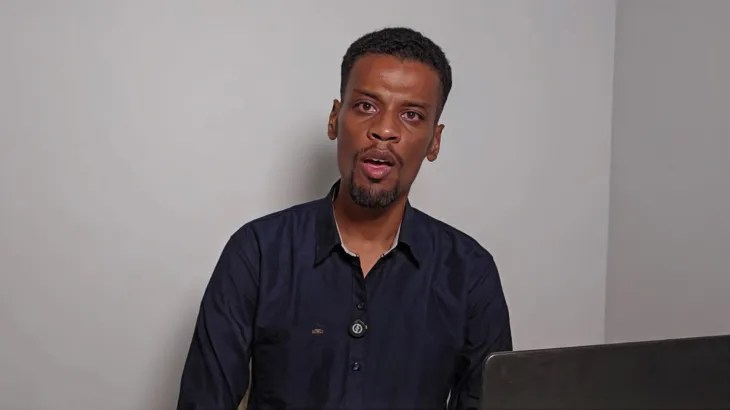
Among them is young journalist Abdullah Hussein, who chose to take up his camera and walk the streets of Khartoum. Moving through neighborhoods and markets, he has defied the fear and silence that have gripped the capital throughout the conflict.
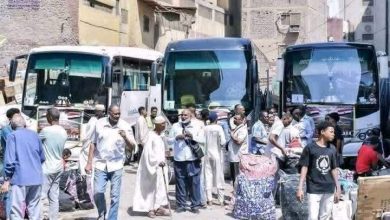
Abdullah documents everyday life at the heart of the crisis, producing photos and videos that portray Sudan not only in Arabic but also in English. His aim is to carry Sudan’s voice to the international community and break the stereotype that reduces the country to images of war and ruin. His coverage often highlights families returning to the capital—buses filled with people who once fled now bringing life back to Khartoum’s streets.
Through his lens, he captures markets buzzing with activity, conversations among ordinary people, and stories of perseverance—narratives that reflect both resilience and an enduring love of homeland amid deep wounds.
His content, shared widely on social media, has attracted strong engagement and praise. Followers describe his work as “constructive,” saying it reflects Sudanese people’s passion for life and determination to rebuild no matter how harsh the circumstances. For many, Abdullah offers a rare window into Sudan’s humanity, countering the dominant, conflict-driven portrayal found in much of the Western media.
In an interview with Al Jazeera Net, Abdullah reflected on the beginnings of his project: “While browsing social media, I noticed how the Western world perceives Sudan amid this war—images dominated by destruction, hunger, and suffering. But alongside that reality, there are positive human stories and accounts of resilience that rarely reach the media spotlight.”
He continued: “When I returned to Khartoum, I saw the great efforts of local journalists and independent creators. Yet most chose to publish only in Arabic. There was a clear gap in English-language coverage, both on social platforms and in international media. That motivated me to use my background as an English-language journalist to be a voice for Sudan—for El-Fasher, for Khartoum, for my country as a whole.”
Abdullah described what has moved him most along the way: “What truly amazed me was the genuine warmth and love I encountered—people’s profound attachment to Sudan despite all the pain. Many were displaced and returned, yet their love for the country remains inexhaustible.”
He concluded: “All this drives me to write and produce stories that reflect the reality of Sudan—not only for Sudanese audiences but in a language the world can understand. I want the world to see that Sudan is not merely a battlefield; it is a living nation, full of determination, humanity, and untold stories of hope, challenge, and resilience.”