Canadian Armored Vehicles Expose Western Firms’ Role in Arming Sudan’s Rapid Support Forces
Sudan Events – Agencies
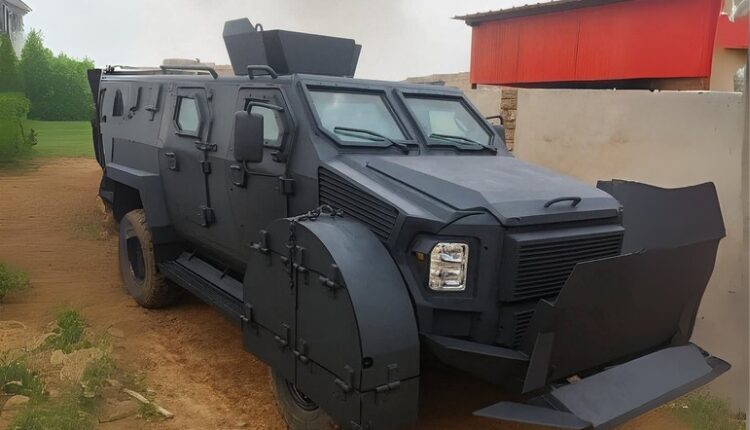
Recent photos and videos from Sudan have reignited debate over the role of Western companies in fueling African conflicts, after Rapid Support Forces (RSF) fighters were seen deploying Canadian-made armored vehicles during the siege of El-Fasher. Experts identified the vehicles as Spartan models, produced by Streit Group, a company owned by Canadian businessman Guerman Goutorov and operating a major manufacturing plant in the United Arab Emirates.
The revelations highlight critical loopholes in global arms trade oversight, with countries such as the UAE increasingly serving as transshipment hubs for Western-made products—well beyond the scrutiny of governments bound by international agreements like the Arms Trade Treaty.
Canada is not the only country implicated. UN reports and watchdog groups have documented the presence of European military equipment in conflict zones over recent years:
France: Armored vehicles such as the Renault Sherpa and ACMAT were spotted in Libya and across the Sahel, despite export restrictions, with suspicions that some passed through Emirati intermediaries.
Germany: Spare parts for communication and night-vision systems from German firms were traced to Sudan and Libya via smuggling networks.
United Kingdom: British parliamentary reports have flagged loopholes that allowed “dual-use” equipment to reach actors involved in African conflicts.
Belarus: Streit-made armored vehicles equipped with water cannons were deployed in suppressing protests in 2020, underscoring the cross-border nature of such deals.
The United States sanctioned Streit Group in 2015 for selling modified armored vehicles to Venezuela, Nigeria, and Iraq without licenses. A 2016 UN panel of experts further concluded that its exports to Sudan directly violated the arms embargo.
According to Canadian researcher Kelsey Gallagher of Project Ploughshares, the central problem lies in “jurisdiction shopping”: Western companies setting up plants in countries with looser regulations, such as the UAE, to continue production and exports outside the reach of strict oversight.
Rights groups including Amnesty International and Human Rights Watch argue that these commercial networks have turned militias in Sudan into part of a “global war economy,” linking Gulf capital with Western manufacturing to fuel conflict—while civilians bear the heaviest toll in the form of famine and mass atrocities.
While Western governments officially deny any direct role in arming militias, pressure is mounting within Canada and the European Union to tighten oversight of their companies, with growing attention on the UAE as a key transshipment hub. Analysts warn that if the flow of arms through Abu Dhabi continues unchecked, Western capitals may be pushed to consider new sanctions targeting Emirati supply chains—an attempt to close one of the most dangerous loopholes prolonging the war in Sudan.