Army Gains in Darfur and Kordofan
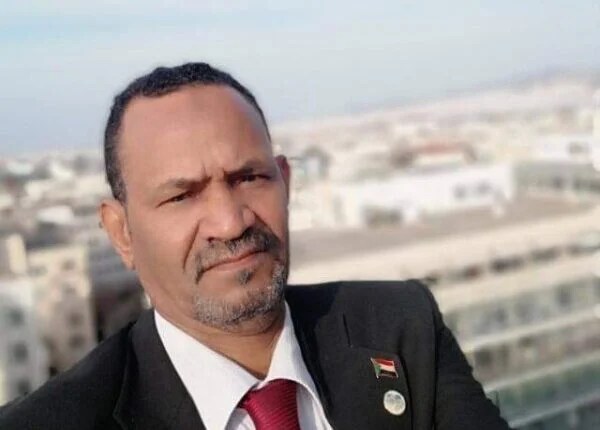
By Abdelmalik Al-Na’eem Ahmed
The past week witnessed significant and wide-ranging victories by the Sudanese Armed Forces, joint units, the General Intelligence Service, and mobilized volunteers across the operational zones in Darfur and Kordofan—particularly in areas held by the Rapid Support Forces (RSF) militia or by the rebel troops of Abdulaziz Al-Hilu, who recently declared himself deputy president of what he called the “Founding Government.”
That entity, however, has found no foothold on Sudanese soil, as the national army’s control remains dominant across most of the country, despite the rebels’ presence in certain regions. The escape of Mohamed Hassan Al-Ta’ayshi and Ibrahim Al-Mirghani to the United Arab Emirates, following precise airstrikes by the army that destroyed key RSF positions in and around Nyala, stands as further proof that the so-called “government” has neither territory to govern nor a people to rule.
Across multiple fronts, the Sudanese army and its various formations continue to achieve steady advances over both the RSF and foreign mercenaries financed by Abu Dhabi—fighters reportedly brought in from thirteen African countries and Colombia. Some arrived under the guise of drone “experts,” others through UAE private security firms, and many as paid soldiers of fortune who fight without knowing for whom or why—only for the money offered upfront.
The week’s victories began with the army destroying all air defense systems operated by the rebels besieging El-Fasher for more than a year. This breakthrough allowed the military to airdrop food, medicine, and relief supplies to the city’s residents—an operation the United Nations’ humanitarian agencies had failed to achieve.
The army successfully repelled the 246th assault on El-Fasher, crushing the rebels’ last hope of seizing the city as the capital of their envisioned “state.”
Operations then expanded east of El-Fasher, where army forces destroyed RSF missile systems and defensive equipment and eliminated several of their key commanders, whose deaths the militia sought to conceal.
Precision airstrikes also targeted Nyala Airport, destroying transport aircraft loaded with Colombian mercenaries—evidence that implicates the UAE, which many still call to negotiate with, either naively or deliberately ignoring its role in atrocities against Sudanese civilians. The army also struck multiple RSF military sites inside Nyala and destroyed training camps reportedly supervised by Emirati operatives and hosting fighters from several foreign countries.
In West and South Kordofan, areas controlled by Al-Hilu’s forces were hit by powerful Sudanese air and ground attacks, resulting in the destruction of rebel armored vehicles and the surrender of large groups of fighters along with their weapons and equipment to army command in the region.
Fierce clashes among rebel factions were reported in Babanusa, Al-Nuhud, and other towns, as accusations of betrayal and leadership breakdown spread within their ranks—an internal collapse the militia had never experienced before.
These popularly supported victories mark a decisive new phase in the army’s calculated campaign to liberate all Sudanese territory from a foreign-backed insurgency.
The international community’s silence over such blatant violations of Sudan’s sovereignty—and its apparent hope that the rebellion might prevail in service of UAE interests—has only strengthened the resolve of Sudan’s armed forces.
The army has now turned the tables on its adversaries and achieved successes beyond their expectations. Its advance continues, along with efforts to deliver relief to civilians in El-Fasher—without the need for a ceasefire that, under the guise of humanitarian aid, would merely prolong the war by resupplying the rebels with weapons and equipment.
Their plans, it seems, have failed.