Sudanese Doctors: The Health Situation in El Fasher Is Catastrophic
Sudan Events – Agencies
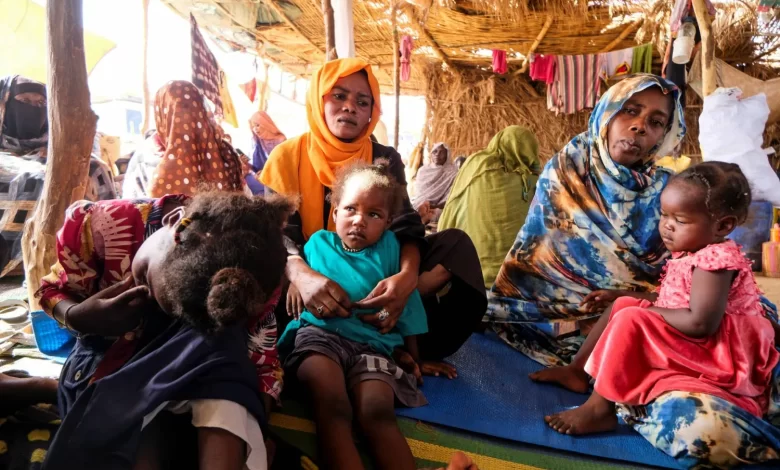
The health situation in the city of El Fasher, the capital of North Darfur State in western Sudan, has reached critical levels, threatening the lives of thousands of civilians and wounded victims of ongoing military operations. The entire medical supply stock has been depleted, and only one hospital remains operational, serving the needs of more than 260,000 residents.
Targeting Medical Staff
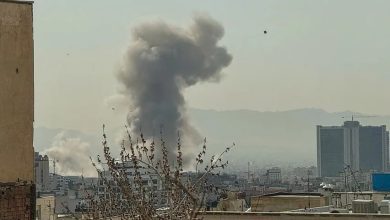
The Sudanese Doctors’ Network announced on Wednesday that 12 people were killed and 17 others injured, including a female doctor and a nurse, as a result of artillery shelling by the Rapid Support Forces (RSF) on El Fasher Hospital.
The network said that “targeting a hospital filled with patients and medical staff constitutes a full-fledged war crime,” holding the RSF fully responsible for the deliberate attack.
It urged the international community to act immediately to halt violations, the shelling of public facilities, hospitals, and civilians’ homes, and to protect what remains of the collapsed health system in El Fasher.
A doctor who requested anonymity told Asharq Al-Awsat: “There is no medicine left in El Fasher. We receive dozens of patients daily, injured by random shelling across the city, but our ability to save them is shrinking due to the severe shortage of drugs.”
She added that the Saudi Hospital, the only one still functioning in the city, operates with very limited capacity despite being overcrowded with the wounded and the sick.
“Because of the lack of medical supplies, we often have to use pieces of cloth sterilized as a substitute for gauze, which is completely unavailable,” she said.
For nearly two years, El Fasher—the largest city in North Darfur—has been under tight siege by the RSF, preventing the entry of any medical aid. Over 80 percent of essential medicines, including life-saving drugs, have completely run out.
A Devastating Health Crisis
Local resident Adam Ahmed described the people’s suffering and their desperate attempts to rescue those injured in the shelling: “There are no vehicles to transport the wounded, so we use donkey carts, and sometimes carry children on our shoulders to the hospital. We rely on makeshift first aid, using clean pieces of cloth to stop bleeding.”
He added in his remarks to Asharq Al-Awsat: “Every now and then, an entire family is buried under the rubble as shells randomly hit residential areas. The people of El Fasher live in constant fear, expecting death at any moment.”
Another doctor reported a sharp rise in the number of wounded, estimating that around 60 people had limbs amputated in recent days due to severe shrapnel injuries—most of them civilians.
He warned that surgical operations are being delayed due to overcrowding and a severe shortage of medical staff.
The local Health Ministry, he said, still relies on the last remaining pre-war stock of medicines, expressing hope that the situation might improve slightly following the airdrop operations conducted by the Sudanese army—the second such delivery within a week.
After months of failed attempts, the army managed to airdrop supplies and humanitarian aid, including food and medicine, to its base at the 6th Infantry Division in El Fasher.
Acute Shortage of Medical Staff
Medical sources confirmed a critical shortage of healthcare workers at the Saudi Hospital, which now operates with a small number of specialists in obstetrics, surgery, and pediatrics, along with a few general practitioners and volunteers.
According to the same sources, many medical professionals have fled the city, while dozens have been injured while providing care. Several NGO medical teams have also withdrawn due to escalating fighting.
They confirmed that around 80 percent of essential medicines are unavailable, and that El Fasher is now facing one of the worst health crises since the outbreak of war in Sudan.
Residents said they have resorted to using aloe vera, garlic, and other local herbs to treat patients and clean wounds, especially for diabetic patients who are suffering from the total absence of insulin and other medications.
They reported a sharp rise in deaths among shelling victims, children, women, and the elderly, due to hunger, malnutrition, and chronic diseases made worse by the lack of treatment.
Meanwhile, the Resistance Committees Coordination, one of the civilian groups documenting atrocities, reported that the specialized maternity hospital in El Fasher was subjected to heavy artillery shelling on Tuesday night, resulting in several civilian deaths and injuries, including children and elderly women.
Eyewitnesses also said that artillery and drone strikes have intensified recently, causing a rising toll of civilian casualties as the army struggles to repel the attacks.