Responsible State Steps Amid Crises: Sudan’s Battle to Overthrow the Foreign Project
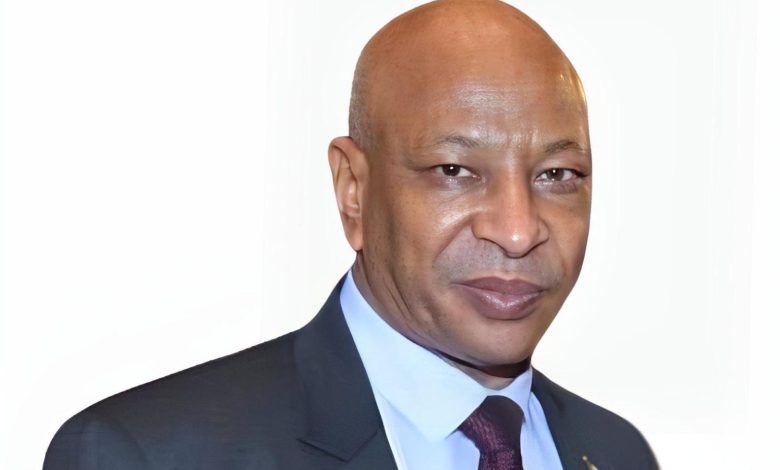
By Ambassador Dr. Muawiya Al-Toum
Amid the storms striking Sudan from every direction—where fronts multiply, interests intertwine, and wills collide—the Sudanese state continues to stand firm despite the bleeding and successive crises. It is working earnestly to contain and curb these crises, moving forward with reconstruction and rebuilding what war has destroyed, while maintaining its grip on the core of national will—resilient and active.
The current targeted and intensive attacks on vital facilities are no longer purely military. They have expanded into a full-fledged cyber war that seeks to undermine the state’s institutions, credibility, and infrastructure—an attempt to infiltrate and dismantle what remains of its living body and its capacity to recover.
In recent weeks, signs have intensified that Sudan is facing a systematic cyber offensive, accompanied by disinformation campaigns and sabotage of critical digital infrastructure—including telecommunications, banking systems, and government networks. This new phase of warfare aims to paralyze the state from within after external tools failed to break its military resilience on the battlefield.
On that same battlefield, the siege and humanitarian catastrophe surrounding the city of El Fasher grow ever more severe. Yet, the city remains steadfast, resisting repeated rebel attempts to seize it. Despite relentless shelling, obstruction of humanitarian aid, and civilian casualties, the resolve of its residents, army, and regular forces remains unbroken. The Battle of El Fasher has transcended being a mere local confrontation—it now symbolizes the endurance of an entire nation that refuses to yield to the tools of a foreign-backed rebellion.
The drone war, too, has turned into a weapon of systematic destruction against Sudan’s infrastructure. Ports, airports, and dams—from Port Sudan to Sennar, Damazin, and even the liberated capital, Khartoum—have all been targeted. Yet, Sudan’s civil institutions continue their gradual recovery. The reopening of Al-National University and Al-Raqi Hospital, and the safe departure of a Badr Airlines flight from Khartoum with 80 passengers on board, stand as symbolic messages that life prevails amid the rubble. The spirit of the civil state endures, and the determination of the Sudanese people remains unbreakable—while one hand destroys, the other rebuilds.
In this complex landscape, the recent remarks of General Abdel Fattah Al-Burhan from Khartoum Airport reaffirmed the state’s resolve to shoulder its responsibilities, no matter the challenges. His message was clear: peace will be built on national foundations, and neither militias, mercenaries, nor their foreign sponsors will be allowed to hijack the nation’s future or impose guardianship over its people.
This stance stands in stark contrast to the confused and desperate rhetoric of the rebel leader—who hides behind his drones and dwindling external support, just as the remnants of the Forces of Freedom and Change (FFC) disintegrate under the weight of reality.
Meanwhile, the so-called “Quad”—preparing for another meeting in Washington at the end of this month—appears determined to persist in its paternalistic approach rather than acknowledging the need for genuine support for Sudan’s state institutions. It continues to treat the rebellion as a political actor rather than an armed outlaw group, disregarding sovereignty, justice, and human rights principles. Yet Al-Burhan’s latest message—vowing to end the rebellion—has effectively closed the door on illegitimate attempts to “internationalize” the crisis. Any dialogue or political process, he made clear, must stem from the free national will, not foreign imposition.
At the same time, confusion prevails among factions that once bet on external intervention. The clear positions articulated in the “Atbara of Resilience” speech have shaken these groups, while some opposition voices cling to wishful notions of exclusive dialogue as a means to regain influence. Meanwhile, Arko Minawi has called for broadening the dialogue to include the National Congress Party and exclude the FFC—a view echoed by the Prime Minister’s adviser, Musleh Nassar—perhaps signaling a realignment between those loyal to the state and its army and those merely seeking power at any cost.
Today, Sudan faces a multifaceted crisis that transcends war—it is a struggle over identity, sovereignty, and destiny. Yet amid the wreckage, the features of a responsible state emerge: one that shoulders its burdens, defends its soil and decision-making, and strives to preserve the basic functions of governance as it prepares to restore full institutional capacity and national command.
Many illusions have fallen, but the will of the state and its people remains steadfast. Together, they march with deliberate steps to defeat the foreign project that seeks to fragment and dismantle Sudan. Between siege, bombardment, and disinformation, hope endures—in the awareness of the people, in the resilience of the state, and in its ability to transform endurance into a unifying national project. This project aims to end dependency, reclaim sovereign decision-making, and restore Sudan’s independent identity, stability, and security.
No drone—no matter how destructive—can build legitimacy or sustain rule.