The Engineered Rumor and the Useful Fool: A Bulletless Weapon in the Age of Information Chaos
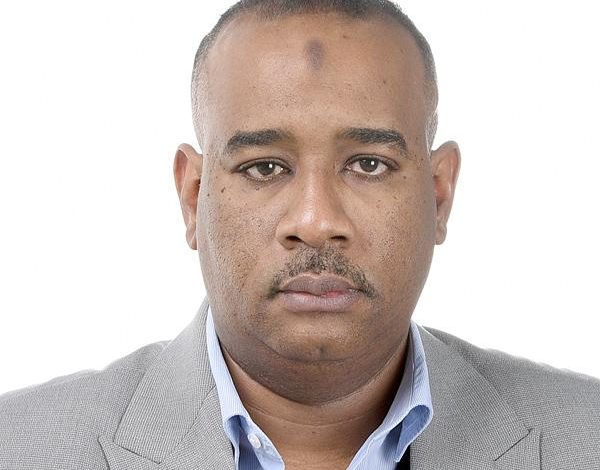
By: Muhannad Awad Mahmoud
Rumors are no longer a social luxury in times of war; they have evolved into strategic tools with an impact parallel to that of military operations. In intelligence literature, an “engineered rumor” is defined as an unverified piece of information deliberately designed and managed by an active entity to achieve a specific objective. That objective may be to undermine trust in leadership, fracture the social fabric, tarnish national reputation, or pave the way for foreign intervention. This analytical definition is grounded in studies of collective behavior and psychological warfare, intersecting with systems of disinformation and propaganda in both intent and operational mechanisms that guide a rumor through its life cycle.
This threat is not new to Islamic history. The incident of al-Ifk (the false accusation) serves as a foundational example of how organized rumors can create turmoil within the early Muslim community. The Qur’an’s verses in Surat al-Nur exposed the destructive effects of defamation, revealing that shaking confidence in leadership is equivalent to shaking the cohesion of the entire group. Today, the scene repeats itself in modern form—equipped with faster, more penetrative tools—yet retaining the same essence: targeting national figures, questioning decisions, and fueling informational disorder.
The construction of an engineered rumor follows a precise architecture: identifying a strategic goal, crafting a message that aligns with the audience’s psychological predispositions, reinforcing it with fabricated images, forged documents, or decontextualized video clips, and then launching it through parallel channels that include influencers, private messaging groups, and media outlets—some deliberately directed, others unwittingly drawn into serving the agenda. The process culminates in systematic repetition to anchor doubt within public consciousness.
At the heart of this cycle lies the useful fool—the individual who adopts and spreads the message without verification, driven by a desire to share, a search for exclusivity, or fear of missing out on seemingly urgent information. This non-expert actor becomes the bridge through which a professionally crafted rumor transitions into widespread social dissemination—just as an ordinary carrier may spread a dangerous virus without knowing it.
Sudan’s current landscape provides a vivid case study of engineered rumor dynamics, particularly amid the ongoing war against the rebel militia that has turned the digital sphere into a central battlefield. Coordinated rumor campaigns have sought to erode public confidence in the armed forces, link them to specific political alignments, and exploit information gaps to create public confusion. The most recent example involved claims of alleged negotiations between a Sudanese military delegation and elements of the Rapid Support Forces in the United States. Despite official statements confirming the visit’s bilateral diplomatic nature, waves of doubt persisted—amplified by networks of “useful fools”—illustrating a textbook cycle of the engineered rumor: launch, denial, and then doubt in the denial itself.
The long-term outcome of such information warfare is the erosion of trust—the primary capital of any nation. As public confusion deepens, the effectiveness of official communication diminishes, and the adversary’s influence expands without gaining ground on the battlefield. Defeat often begins in perception before it manifests in reality; victory, therefore, demands intellectual resilience equal to the strength of military defense.
Official media institutions bear the responsibility of regaining the initiative through an integrated information defense system based on focused transparency—proactively disclosing key facts, swiftly clarifying developments before misinterpretations multiply, and establishing joint information command centers among sovereign entities to ensure unified and rapid messaging. Moreover, broad public education campaigns are essential to promote verification culture before sharing, and to hold accountable those who deliberately fabricate or circulate hostile rumors.
Ultimately, this is a battle of awareness—a struggle that hinges on a healthy relationship between citizens and their national platforms. Every unverified share of a rumor may amount to a stab in the nation’s back. Winning the information front is not a luxury—it is a prerequisite for securing the balance of power in a war where the frontlines of the mind are no less decisive than those of the battlefield.