General Mobilization and Emergency Measures: The Way to Decisive Victory, Mr. President?!
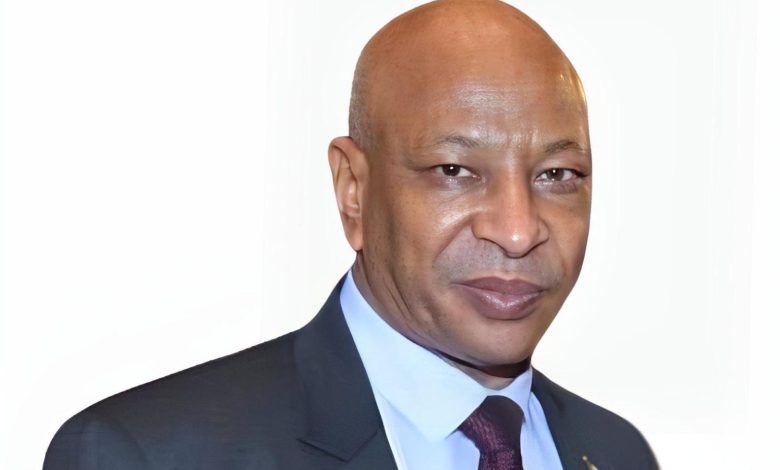
Ambassador Dr. Muawiya Al-Tom
1. The Battlefield and the Declaration of Mobilization: A Pivotal Moment
Against the backdrop of the fighting in the Kordofan and Darfur axes—specifically Bara, Al-Zariba, Umm Dum Haj Ahmad, Umm Kureidm and Al-Fasher—and in light of the signals in the Sovereignty Council President’s address from Wadi Sayyidna and the mounting threats at the country’s western gateway, the Supreme Committee’s declaration of general mobilization is a decisive and urgently required act. External parties that back the rebellion continue to bleed the country and sustain its fragility by supporting insurgency. War consists of positions and moments; the state now recognizes that this conflict has moved beyond local boundaries to become an attempt to tear apart national sovereignty and to violate national security with renewed threats aimed at stoking sectarian strife. The rebellion has been granted a second chance to return and expand. Mobilization is not merely a military maneuver; it is a dual national signal, reinforced by a state of emergency: massive internal mobilization to close fronts, and external deterrence against any foreign schemes that reflect recent repercussions. Mobilization aims to sever supply lines that pass through neighboring countries—particularly the Libya–Chad–South Sudan axis. It is increasingly clear that another attempt is underway to hijack the Sudanese state or to carve away another cherished portion of our land, to be used as leverage in negotiations and to restore a settlement favorable to the insurgents.
2. Repositioning of the Rebellion and Regional Supply Networks
• The growing reliance on routes through Libya, Chad and South Sudan has revived the arms- and fighters-smuggling corridors first seen at the start of the war. The scenario is repeating itself and tends to coincide with any round in which Sudan gains ground—militarily, diplomatically, or through civil efforts.
• Mercenaries and fighters flow across borders—some tied to networks trafficking gold, weapons and narcotics—giving the movement a regional dimension and making the confrontation a shared security concern for Sudan’s neighbors.
• These regional arteries permit the rebellion to regain momentum through mobility and surprise tactics, requiring a multi-dimensional approach to break them (military, diplomatic, intelligence, information) and a mobilization campaign to expose these circumventions as happened in Al-Geneina.
3. Tactical and Moral Differences Between the Army and the Rapid Support Forces
• The Army: Operates with relative professionalism and adherence to rules of engagement and international obligations. It relies on superior intelligence, precision strikes, and graduated operations aimed at minimizing civilian harm and preserving infrastructure. This conduct grants the Army both domestic and international legitimacy and helps protect civilian lives.
• The Rapid Support Forces: Wage an unrestrained, unethical campaign—widespread violations, targeting of civilians, forced displacement, use of mercenaries, heinous crimes and exploitation of border gateways. These murderous tactics undermine any political viability they might claim and give the state and its allies moral and legal grounds—under national law and before relevant international bodies—to confront them.
4. The Army’s Capacity to Rout the Rebellion and Institutional Value Added
With its longstanding experience and prior success in expelling insurgents from multiple areas, the Army possesses the capability to restore control and dismantle the rebellion’s field sanctuaries. Key strengths:
• A unified command structure and logistical expertise.
• Experience with graduated liberation operations and urban preservation.
• The ability to conduct intelligence-led operations to cut supply lines and tighten the encirclement around militia strongholds.
5. The Material and Moral Costs of Continuing a Campaign of Decisive Action
Although the Army can defeat the rebellion, such a decisive outcome will not be without cost:
• Humanitarian cost: wider displacement, more casualties and relief crises if operations are not tightly managed and paired with effective humanitarian mechanisms.
• Moral and social cost: depletion of the social fabric, tribal and regional tensions that may take generations to repair, and the feeding of revenge narratives and intercommunal hatred.
• Economic and infrastructure cost: damage to roads, agricultural and industrial facilities, and local economic contraction that could prolong recovery.
6. Diplomatic and International Legal Dimensions
• The Army’s adherence to international law strengthens Khartoum’s position before the United Nations and human-rights organizations and bolsters its case to prevent arming insurgents and the passage of mercenaries across borders.
• Simultaneously, the authorities must craft a clear diplomatic campaign aimed at neighboring states to cut off support networks and propose regional security cooperation to halt smuggling. The state should push for a regional mechanism for dialogue on Sudan to curb interventions and violations that have become widespread; meanwhile, the international community risks appearing passive—limited to condemnations—thereby losing moral standing.
7. Short-Term Practical Recommendations (Rapidly Actionable)
8. Intensify border surveillance and intelligence-sharing with neighboring states and regional bodies to restrict or cut arms- and mercenary-trafficking routes.
9. Conduct precise, graduated military operations focused on intelligence-led disruption of supply corridors and rebel strongholds—avoiding densely populated areas where possible.
10. Establish civilian protection and humanitarian mechanisms: secure humanitarian corridors, partner with neutral relief agencies, and hold transparent trials for proven violators to strengthen public confidence and encourage popular participation in protection efforts.
11. Launch a focused diplomatic campaign to press neighboring states and international organizations to stop facilitating the movement of fighters and weapons, backed by documented intelligence.
12. Promote reconciliation messaging and local programs to de-escalate tribal and communal tensions in parallel with military operations—because what affects Sudan will reverberate across the region.
Concise Conclusion
Sudan faces a genuine opportunity to consolidate the pillars of victory and overcome temporary setbacks by declaring and acting on supplemental mobilization and the justifications for a state of emergency: to break the rebellion’s backbone and expel it from every locality in our country. By maximizing this national mobilization and drawing fighters from across the homeland into an unprecedented national effort—combined with integrated field operations, intelligence strikes on regional supply lines, and a diplomatic and humanitarian campaign that strengthens internal and external legitimacy—the state can achieve decisive results. The Army, with its experience and professional standards, can rout the rebellion over wide areas, but final outcomes depend on managing the humanitarian and moral costs away from the logic of revenge, and on a clear commitment to reconstruction, trust-building and accountability. Declaring a state of emergency in the country or specifically in the western axis could provide Your Excellency and the state leadership with broader and more comprehensive authority to address the situation with the exceptional measures required. With faith in God and the will of the people alongside their Army, the nation’s and its Army’s resolve will not be broken no matter the sacrifices—this, the path to victory and the larger meanings introduced by the Head of State in his historic address today.