Sudanese Women… Victims of War’s Brutality
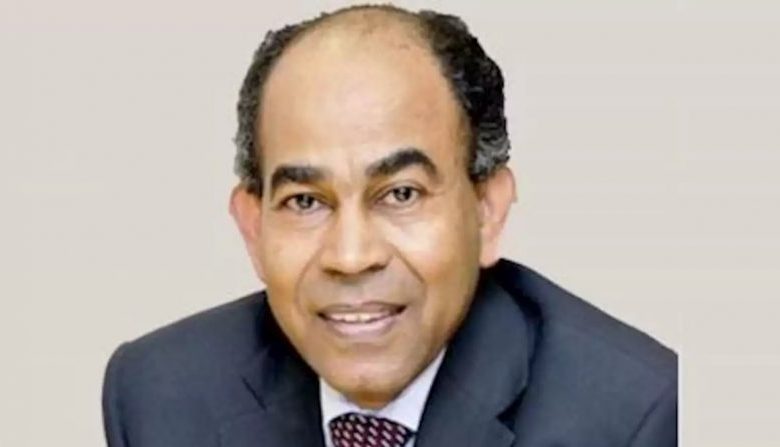
Osman Mirghani
The world is undeniably in a period of turmoil and apprehension. The upheaval can be felt everyday, and they can be seen in the expanding map of conflicts. According to a report released this week by UN Secretary-General Antonio Guterres, there are currently more conflicts in the world than there had been at any point since 1946. This evidently has grave consequences for international peace and security, and for the lives of millions of people.
Since the report was issued to mark the 25th anniversary of UN Security Council Resolution 1325, which obliges the international community to protect women and ensure their full participation in peace and security efforts, it focused on one horrific outcome of modern warfare: violence directed against women in conflict zones, as a deliberate and tragic feature of warfare.
The report indicates that around 676 million women and girls today reside within 50 kilometers of a conflict zone, the highest number since the 1990s. Civilian casualties among women and children have quadrupled over the past two years, and sexual violence in war has increased by 87 percent in just two years. This is a clear sign that rape and sexual violence are no longer mere byproducts of war but deliberately weaponized violations.
In 2023, documented cases of sexual violence in conflict areas rose by 50 percent compared to 2022, with 3,688 confirmed cases against women and young girls. The situation worsened further in 2024, with an additional 25 percent increase. These figures are not just statistics; they are muffled cries that speak to the collapse of moral and human values in a world where wars are waged upon women’s bodies.
Sudan’s name, of course, is not absent from this dark list. Over the course of the most violent and bloodiest war in its modern history, international and local reports have documented the widespread weaponization of sexual violence, accusing the Rapid Support Forces of committing mass rape and sexual slavery in several regions. Amnesty International points to systematic practices of individual and gang rape perpetrated by these forces, targeting women and even girls. UNICEF has documented 221 cases of child rape, among them 16 victims under the age of five, and four infants. What level of depravity could ever explain such sadism and barbarity?
All the reports highlight that documented cases represent only a small fraction of the catastrophe. Most cases are not spoken about due to fear of retaliation or social stigma, as well as a lack of access to specialized medical centers following the destruction of infrastructure and the spread of chaos. This forced silence deprives victims of justice and care, leaving perpetrators unpunished- a double crime against humanity.
Secretary-General Antonio Guterres’s report is not only descriptive. It also highlights a painful paradox: conflicts are killing record numbers of women, but they remain excluded from peace negotiations. In 2024, for example, women were not included in 9 out of 10 peace processes around the world. Women made up only 7 percent of negotiators and 14 percent of mediators. And although studies confirm that women’s participation makes durable peace agreements twice as likely, political factions continue to insist on marginalizing half of society, even in efforts to end wars in which women pay the highest price.
The bleak picture presented by the report calls for urgent action on several fronts:
First – Humanitarian assistance must be increased. Access to medical and psychological care for survivors of violence must be broadened, and women must be provided safety when they are displaced.
Second – There must be accountability for every belligerent who has committed or ordered these crimes. National and international justice cannot allow for impunity, which allows such practices to be repeated without fear.
Third – It is time for women’s participation in peace processes to become the rule, not the exception. Processes that exclude women give rise to fragile and temporary peace. Women introduce a different dimension to these efforts, presenting a human perspective that is not shaped by the logic of violence and brute force.
Violence against women in war is not merely an individual tragedy. It is a crime against the human conscience and the very idea of peace. Sudan presents one of the starkest examples of this moral collapse. It also reminds us that complacency in confronting such crimes turns conflicts into ticking time bombs that could explode again at any moment, perhaps with even greater brutality.
When the body is violated in the name of war, the future of an entire nation is violated with it. Protecting women in times of war is therefore not merely a matter of “human rights,” but a measure of our humanity.