After Arriving at Port Sudan, UAE’s BP Halts South Sudan Government Oil Shipment Under UK Court Order
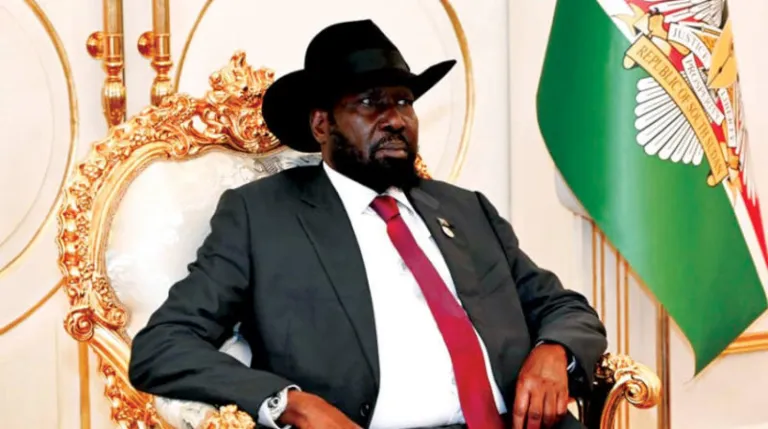
Yesterday, in a surprising development, the United Forces of Opposition in South Sudan seized the city of Torit after entering its garrison and taking control.
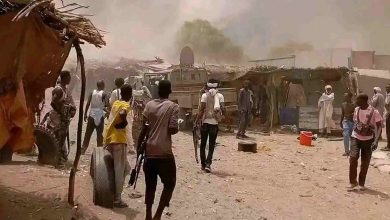
According to a statement by the opposition forces, they entered the city under heavy fire from the southern axis and destroyed the South Sudanese army’s defenses. They declared a local school called “Moti” as a safe place for civilians. Meanwhile, Mamir, the so-called leader of the Dinka Lake forces, announced plans to move toward the Bori area. During this time, reports circulated that the governor of Eastern Equatoria State, Louis Lobong Lojore, fled Torit with his personal guards after the opposition took over the city.
The entry into Torit followed captures of other areas such as Jambo, where the opposition had negotiated with the local garrison for a peaceful handover. However, the collapse of these negotiations led to a battle and the opposition’s takeover. The forces stated their objective is to overthrow the ruling single-family system controlling the country and confirmed they would not stop until they seize power and enter the capital, Juba.
At the same time, the Juba government suffered a significant blow when BP Energy, a UAE-based company, obtained a UK court ruling freezing an oil shipment valued at $20 million that was scheduled for export. BP stated that it is seeking to recover a $100 million loan from the South Sudanese government. According to Global Trade Review, a reputable independent company, High Court Judge Christopher Butcher issued an urgent injunction during the November 18 hearing, preventing the South Sudanese government from delivering or otherwise disposing of a 600-barrel crude oil shipment originally scheduled to be lifted from Port Sudan on November 27, pending the next hearing.
BP had filed a lawsuit against South Sudan. Sources indicated that the UAE company DMCC, a unit of the UAE-based commodities firm, had committed to the oil shipment through a prepayment arrangement. However, the government of Salva Kiir failed to deliver, creating legal disputes in UK courts, preventing the export of oil and freezing sales operations. This has had negative economic consequences for Kiir’s government, which already struggles economically and faces difficulties exporting oil due to the unstable security situation in Sudan.
Economics journalist Simon Paul commented: “Kiir’s government already suffers economic problems because oil revenues do not reach the state’s development projects but instead go into the pockets of war generals, politicians, and elites, while infrastructure and development remain the responsibility of international organizations. This explains the risks of investing or engaging economically with Kiir; even his allies from the UAE resorted to the courts after losing faith in his promises.”
Paul added, “The $100 million paid by the UAE company benefited itself, not the South Sudanese people, who rarely see these funds. The real question is, where did the money go?” He noted that given the political and military developments, Juba’s government needs every dollar to survive, and armed threats are approaching the president’s doorstep. He described an acute economic crisis, with the government failing to pay salaries reliably, provide security, or deliver basic services, as the president personally controls oil revenues to buy loyalties and reward allies.
Bom Matok, recently released and who left South Sudan, said that Kiir is in his final days and the country is effectively under UAE influence via the Rapid Support Forces militia present in Juba. He added, “I wouldn’t be surprised if these forces engage the United Opposition Forces, which have reached Torit and are preparing to advance toward Juba and other cities.”